Anushree Nyati
08-Jun-2026
Healing across five dimensions!
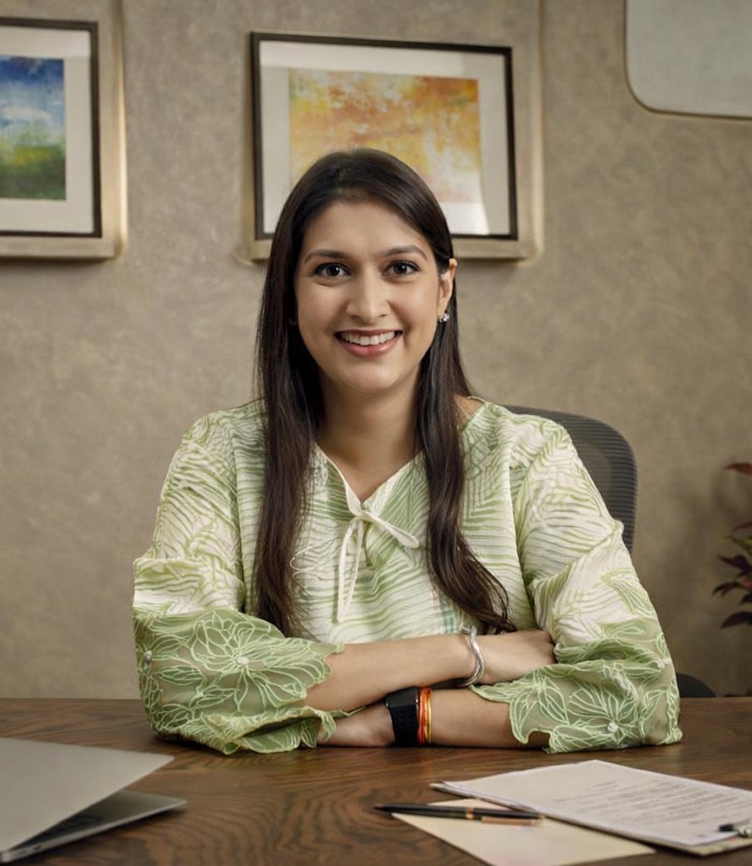
Inputs by: Anushree Nyati, Director - Swastik Luxury Wellbeing Sanctuary
Luxury travel has evolved far beyond suites, experiential dining, and indulgent spa therapies. Today’s travellers are increasingly seeking experiences that leave a lasting impact, not just aesthetically pleasing escapes, but journeys that restore balance, clarity, and inner wellbeing.
For years, wellness tourism focused primarily on physical rejuvenation: detox programs, fitness routines, clean eating, and therapeutic treatments. While these experiences offer temporary relief, many travellers return home feeling that something deeper remains unresolved. This growing disconnect has sparked a larger shift in how wellbeing is being understood across the hospitality and wellness industries.
The distinction between wellness and wellbeing is becoming increasingly important.
Wellness refers to the activities people engage in to improve health, treatments, movement, nutrition, or mindfulness practices. Wellbeing, however, is far more comprehensive. It reflects an integrated state where physical health, emotional stability, mental clarity, relationships, purpose, and inner peace coexist in harmony.
Increasingly, luxury travellers are searching not for momentary indulgence, but for meaningful transformation.
The rise of multi-dimensional healing
Ancient Indian philosophies have always emphasized that true healing cannot happen in isolation, but through balance between the body, mind, emotions, energy, and spirit. Systems such as Ayurveda and yogic sciences approached wellbeing as a deeply interconnected experience, an idea now increasingly supported by modern research on stress, emotional health, neuroplasticity, and holistic healing.
This evolved understanding has given rise to multi-dimensional healing, where wellbeing extends beyond physical fitness alone. Health, purpose, emotional connection, inner bliss, and spirituality are now being recognized as equally important aspects of a balanced life, shaping a more complete and sustainable approach to modern wellness and transformation.
Health as the foundation
Physical health remains the starting point of most wellbeing journeys, but the conversation is becoming more personalized and preventive.
Rather than offering generalized therapies, many holistic retreats are now combining multiple healing sciences, ranging from Ayurveda and naturopathy to yoga, energy work, and functional nutrition, to create customized programs tailored to individual needs.
This approach recognizes that modern lifestyle conditions such as chronic fatigue, hormonal imbalance, digestive disorders, stress, and sleep disturbances are rarely isolated problems. They are often interconnected manifestations of deeper imbalance.
Nutrition, too, is evolving from being calorie-focused to becoming therapeutic and intentional. Ancient food philosophies emphasizing seasonal, mindful, and sattvic eating are increasingly finding relevance in modern wellbeing practices.
Redefining wealth through Inner alignment
One of the more emerging aspects of holistic wellbeing is the idea that prosperity extends beyond financial success.
Today’s high-performing individuals often experience exhaustion despite external achievement. Long working hours, digital overstimulation, and constant productivity have created a culture where burnout has become normalized.
In response, many wellbeing programs are incorporating elements focused on clarity, purpose, mindset, and emotional resilience. Workshops centered around self-awareness, reflective practices, mentorship, and mindful productivity are becoming part of the broader wellness landscape.
The focus is shifting from simply helping individuals recover, to helping them reassess how they live and work.
Emotional wellbeing and human connection
Modern wellness culture often emphasizes self-care but places less attention on emotional healing and meaningful relationships.
Yet emotional wellbeing plays a critical role in overall health. Feelings of isolation, stress, unresolved grief, or emotional fatigue can significantly impact physical and mental balance.
This has led to a growing emphasis on practices that encourage vulnerability, compassion, gratitude, and human connection. Experiences rooted in mindfulness, community interaction, journaling, nature immersion, and emotional expression are increasingly becoming part of holistic retreats.
In many ways, the future of luxury wellbeing may depend less on exclusivity and more on authenticity and connection.
The pursuit of bliss and presence
Luxury has traditionally been associated with sensory indulgence, beautiful environments, curated experiences, and comfort. However, a new form of luxury is emerging: the ability to be fully present.
In a world dominated by constant notifications and overstimulation, silence, stillness, and uninterrupted time are becoming rare and valuable experiences.
Wellbeing spaces are now designing environments that encourage introspection and mindful awareness through meditation, sound healing, nature immersion, and contemplative architecture.
The emphasis is gradually shifting from external stimulation to internal calm.
Spirituality as a personal journey
Spirituality is also finding renewed relevance within modern wellbeing, though not necessarily in a religious sense.
Increasingly, travellers are seeking experiences that help them reconnect with purpose, meaning, and inner clarity. This may take the form of meditation, reflective practices, philosophical learning, mindfulness, or simply spending intentional time in silence and nature.
Unlike structured wellness programs, spirituality is deeply individual. The role of holistic retreats is not to prescribe belief systems, but to create spaces where self-discovery can unfold naturally.
The future of luxury travel
As wellness tourism continues to expand globally, the expectations of travellers are changing. Luxury is no longer defined solely by aesthetics or service standards. Increasingly, it is being measured by how deeply an experience can restore, transform, and sustain wellbeing long after the journey ends.
This shift marks a broader movement from wellness to holistic wellbeing, one rooted in integration rather than isolation.
Ancient Indian wisdom introduced concepts such as Ayurveda, yoga, and Svastha, a state of being established within oneself. Today, these philosophies are finding renewed relevance in a world searching for balance amidst modern complexity.
The future of luxury travel may ultimately belong to destinations and experiences that do more than help people escape. It may belong to those that help people reconnect with themselves.
Dr. Partap Chauhan...