Arun Batra
31-Mar-2026
Experiential travel is reshaping India’s premium tourism market
Inputs by: Arun Batra, Managing Director, Ebix Travels & Global CHRO
India’s tourism story has long been defined by scale, its mountains, monuments, and cultural legacy. But in today’s premium travel landscape, scale alone is no longer enough. Luxury is being redefined by experiences that create deeper cultural and emotional connections.
India’s luxury leisure travel market is projected to reach $100.5 billion by 2033. Currently accounting for just 3–4% of the global luxury tourism market, the country still has significant headroom for growth. At the same time, traveller expectations are shifting. Traditional markers of luxury like five-star stays, fine dining, and exclusivity continue to matter, but they are no longer the sole drivers of value. Today’s affluent travellers are seeking immersive, personalised journeys that feel authentic and memorable. This shift is at the heart of experiential travel, which is increasingly shaping India’s premium tourism market.
From luxury to lived experiences
Luxury travel has evolved from being product-led to experience-led. While comfort and service remain essential, travellers today want to engage with destinations more meaningfully. In Rajasthan, for instance, itineraries are moving beyond sightseeing to include interactions with local artisans, guided explorations of historic forts, and curated cultural performances. Similarly, wildlife destinations such as Ranthambore and Bandhavgarh are attracting travellers looking for immersive safaris led by expert naturalists who offer deeper insights into India’s biodiversity. This reflects a broader global trend where travellers are no longer passive observers. They want to participate, learn, and connect.
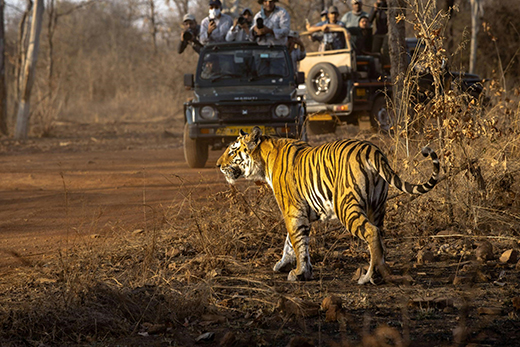
(Image Credits: Pexels)
Rising incomes are further accelerating this shift. Over the past decade, Indian incomes have grown at an estimated 7% CAGR, expanding discretionary spending and enabling more travellers to opt for premium, experience-driven journeys. In many ways, India’s luxury travel market is no longer emerging; it has already arrived.
Personalisation as the new benchmark
At the core of experiential travel lies personalisation. High-value travellers increasingly expect journeys tailored to their interests, whether that is a culinary trail through Jaipur, a spiritual retreat in Rishikesh, or a luxury trekking experience in Ladakh. For travel companies, this presents a clear opportunity. By combining local expertise with technology and thoughtful storytelling, providers can move beyond standard packages to create differentiated, high-value experiences.
India’s advantage in experiential tourism
Few countries are as well-positioned as India to lead in experiential tourism. Its cultural diversity, varied landscapes, and living traditions offer a depth of experiences that are difficult to replicate globally. With over 40 UNESCO World Heritage Sites, India already has a strong foundation.
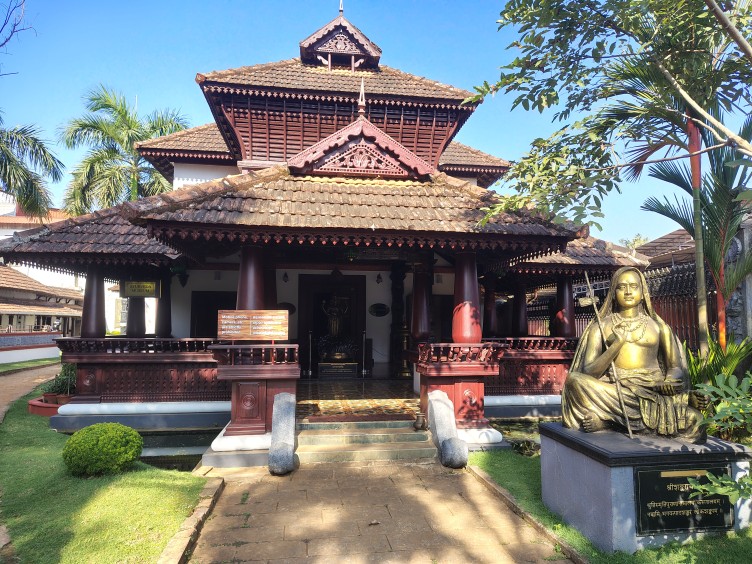
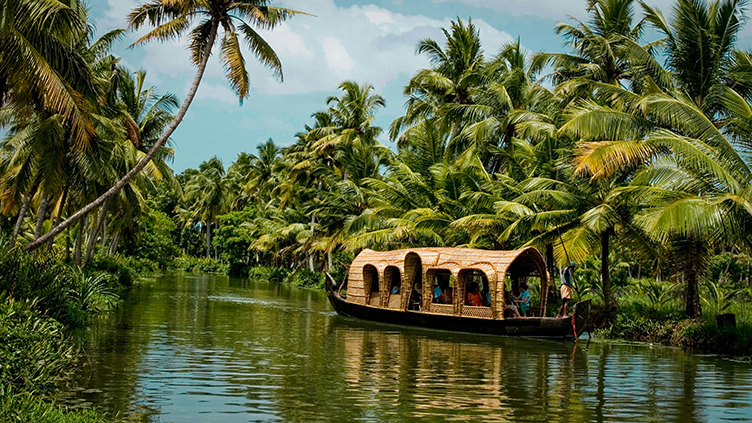
From witnessing rituals along the ghats of Varanasi to exploring Kerala’s backwaters through wellness and culinary journeys, or discovering remote Himalayan regions, India offers layered experiences that resonate with global travellers seeking authenticity.

(Image Credits: Pexels)
The economic potential is equally significant. A joint report by KPMG and the PHD Chamber of Commerce and Industry estimates that heritage tourism already contributes nearly 2.5% to India’s tourism GDP and could grow into a $57 billion market by 2033. Policy support is also aligning with this shift. In the Union Budget 2026–27, the government announced plans to develop 15 major archaeological and heritage sites, including Lothal, Dholavira, Rakhigarhi, Sarnath, and Leh Palace, as experiential tourism destinations.
How the industry is adapting
Hospitality and travel brands are responding quickly. Leading hotel groups are expanding curated offerings that allow guests to engage more deeply with local culture, cuisine, and heritage. At the same time, boutique lodges, heritage properties, and eco-resorts are gaining traction for their more intimate, destination-led experiences.
Across the country, new models are emerging, from textile trails in Kutch to heritage homestays in Chettinad and culinary journeys through Kerala’s spice regions. The focus is gradually shifting from accommodation to end-to-end experience design that blends culture, adventure, wellness, and storytelling.
Economic impact and community value
Experiential tourism also has a broader economic impact. Unlike traditional tourism, which is often concentrated in major hubs, experience-led travel extends to smaller towns and rural regions. This creates opportunities for local artisans, guides, and small businesses to participate in the tourism economy, while also helping preserve cultural traditions. However, as this segment grows, responsible tourism will be critical for balancing economic opportunity with environmental sustainability and cultural sensitivity.
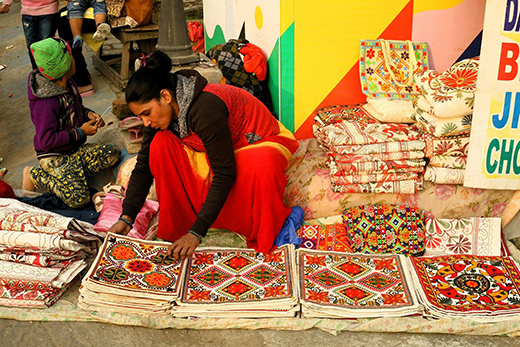
(Image credits: Pexels)
Looking ahead
As India’s premium tourism market continues to evolve, experiential travel will play a defining role in its next phase of growth. Travellers today are not just visiting destinations; they are seeking meaning, connection, and stories. For the industry, the challenge will be to deliver experiences that are both authentic and sustainable.
Experiential travel is no longer a niche trend. It reflects a fundamental shift in how luxury is perceived. In the years ahead, the most valuable journeys will not be defined by where travellers stay but by what they experience, who they meet, and the stories they carry back with them.
Cover Image Credits: Unsplash