Neha Mehrotra
21-May-2026
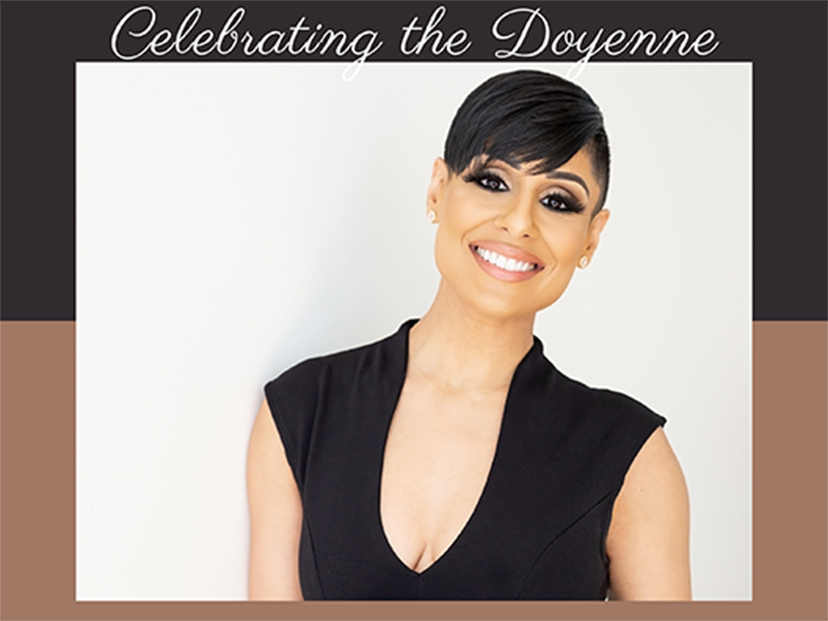
On International Tea Day, India’s leading tea sommelier Radhika Batra Shah talks about tea ceremonies, artisanal blends, and the wellness benefits of green, white, herbal, and oolong teas.
In almost every Indian household mornings begin with a cup of freshly brewed tea. Occasions and celebrations are marked by tea; important discussions happen over tea, and if your answer to “chai peeni hai?” is a NO, you might just get a few eyes rolled at you!
Tea has always been more than just a beverage for this country, but beyond the familiar milk-and-sugar brew lies an entire world of white teas, calming herbal infusions, earthy oolongs, and centuries-old tea rituals – a world that India’s leading tea sommelier Radhika Batra Shah has spent over two decades introducing to India and beyond.
Founder of Radhikas Fine Teas & Whatnots, Radhika has redefined how the world perceives Indian tea, transforming it from an everyday beverage into an experience rooted in wellness, storytelling, culture, and mindfulness. From hosting immersive tea ceremonies and curating artisanal blends to collaborating with global luxury and hospitality spaces, she has made it her life’s work to show that every cup of tea carries a story. “Tea is not just what we drink; it’s how we live, love, and remember,” she tells us.
As the world celebrates International Tea Day, we speak to Radhika about her journey, the art of tea tasting, and why we should move beyond the classic cup of chai.
Excerpts from the Conversation:
1. First of all, what is a Tea Sommelier? And how did you become one?
A tea sommelier is to tea what a wine sommelier is to wine! In simple words, a trained curator who understands terroir, tasting notes, pairings, and the art of elevating tea from beverage to experience.
My journey began in 2006, when I left an MBA-shaped corporate career at McCann Erickson and Tata Retail (TRENT) to follow my calling. With my family’s support, I immersed myself in plantations, ceremonies, and global tea cultures until I could translate that knowledge into India’s first tea experiences.
2. Please tell us about your journey in the creation of Radhikas Fine Teas & Whatnots
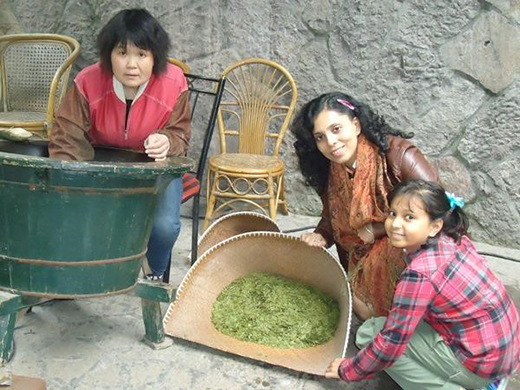
It was not a classroom that taught me tea, but the farthest gardens of India, China, Sri Lanka and Japan, often with my toddler Shloka in tow. I discovered that tea is best learned where it is grown, in the soil and the mist, not in books. Food visionaries like hotelier Sanjay Narang helped me explore pairings that elevated tea to fine dining. And guidance from mentors like Sanjay Bansal, the “father of organic Darjeeling tea,”
In 2006, I opened India’s first organic tea boutique, TEACUP, a space that told a complete tea story, from terroir to tasting, Ayurveda to artistry. Over two decades, Radhika's Fine Teas & Whatnots has grown into a brand that curates Michelin-level menus, collaborates globally, and makes tea a lifestyle rather than a commodity.
3. What would you say is the USP of your brand?
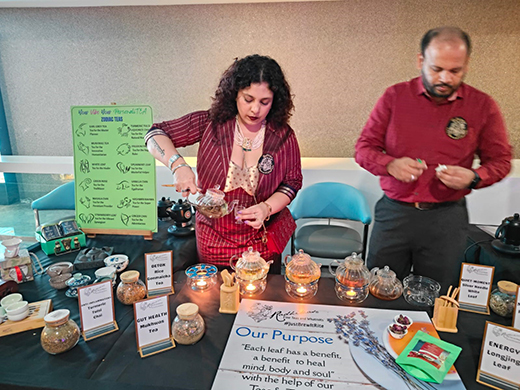
Our USP is “storytelling” through tea. Every blend carries heritage, wellness, and culture, whether it is turmeric long before it trended or Mukhwas blends inspired by paan. At the very start of my tea career, I pioneered Tea Ceremonies, our desi rendition of tea rituals. Over two decades, I have hosted thousands of them, weaving tea into art, theatre, fine dining, NGOs, and more. We do not just sell tea; we create rituals, ceremonies, and pairings that make tea personal, modern, and deeply relevant.
4. So what happens in the tea ceremonies you host? How do you teach someone to actually taste tea?
A tea ceremony is about slowing down. Guests learn to observe the dry leaf, inhale its aroma, sip mindfully, and notice how the liquor evolves on the palate. I teach them to identify notes – floral, nutty, and smoky – and to connect tea with memory, mood, and food.
It is a ritual of patience. I encourage guests to evolve into loving tea beyond just chai, pairing it with food for great benefits or infusing it into recipes with simple tricks from the kitchen.
5. And what do you recommend how and with what should they start?
Start simple: a clean green tea or chamomile tea. Brew it correctly – not boiling water, but water just off the boil. Sip without milk or sugar. Let your palate adjust to the subtleties before exploring complex oolongs or pu-erhs.
6. Do you think Indians are finally starting to move beyond milk and sugar?
Yes, slowly but surely. The wellness wave has opened doors for Green, White and Herbal teas. Indians are realising tea can be sipped without milk or sugar and that its natural notes – floral, smoky, and earthy – are far more rewarding.
7. Different teas have different benefits for our bodies and minds. Can you name some teas and what benefits they have?
8. You work with organic, biodynamic gardens does that actually change the potency of the wellness benefits, or is that more about what is not in the tea?
It is both. Organic and biodynamic gardens ensure purity – no pesticides or chemicals – but they also nurture soil vitality, which translates into richer antioxidants and deeper flavour profiles. The wellness benefits are more potent because the plant is healthier.
9. How do tea trails help you discover new flavours? And what is the most recent one you have been to?
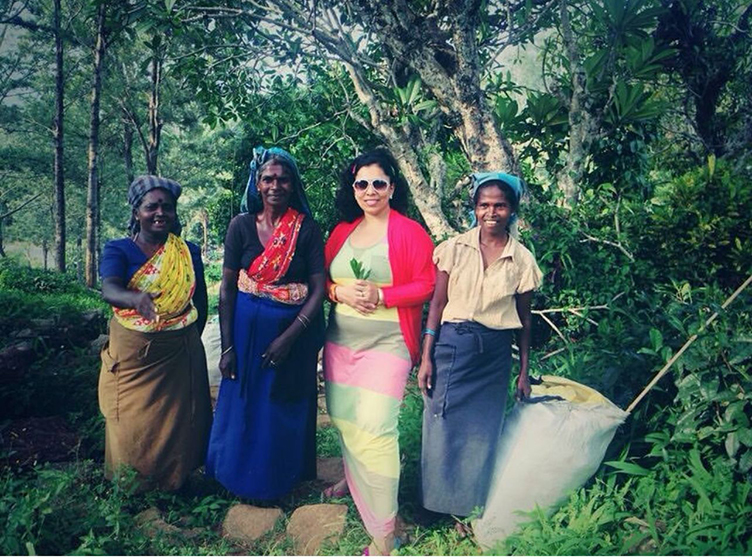
Tea trails are journeys into terroir. Walking through gardens, meeting planters, and tasting fresh harvests, you discover how soil, altitude, and climate shape flavour. My most recent trail was in Darjeeling, where I explored biodynamic estates experimenting with rare white teas.
10. What is your perfect cup of tea like?
A delicate White, first-flush White Darjeeling, brewed lightly, sipped in silence at sunrise. Each leaf on my menu must carry a benefit, but beyond taste, it is about the moment, the pause, and the connection.
11. Top 3 destinations for a tea connoisseur?