Pavit Singh
28-May-2026
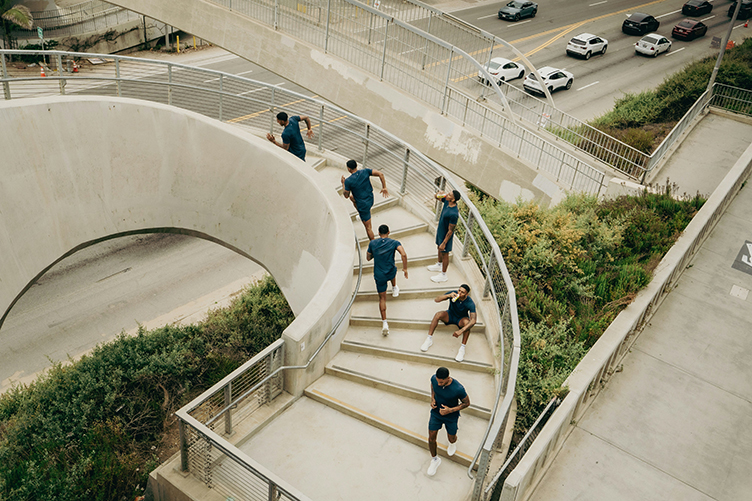
Today's consumer doesn't want wellness stuck on a treadmill, social life stuck at a dinner table, or entertainment stuck on a screen. They want one place where all of it happens together.
Inputs by: Pavit Singh, Managing Partner, Ileseum Club & Co-founder, Aufside Hospitality & Millennium Club
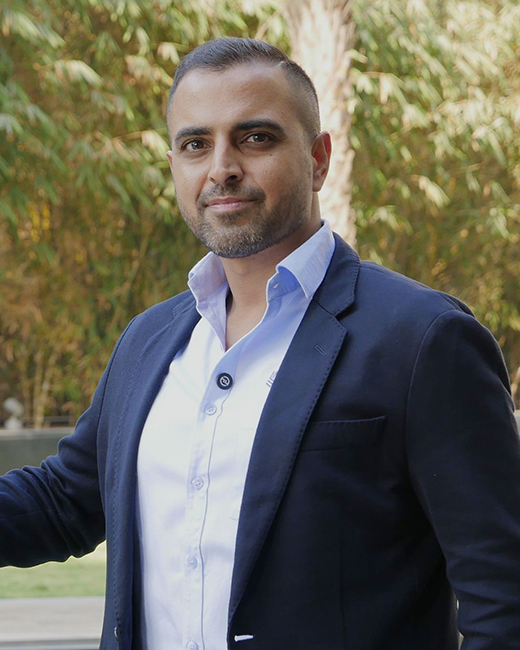
In 2011, we opened India's first futsal turf. At the time, we were trying to convince people of something that sounds obvious today, that sport could be a social activity, not just a school activity. It took years. Fifteen years and 10,000+ turfs later, that argument is over. Indians, especially in our cities, have decided that movement belongs in their social life, not next to it.
The harder question is what comes next. And that's what I've been building against for the last decade.
Not long ago, a typical urban weekend looked the same for everyone. Brunch with friends. A movie. A long lunch. Coffee at a café. Fitness, if it happened at all, was a separate thing, a morning gym session, an evening yoga class, a run squeezed in somewhere. Leisure, wellness, social life, recreation, all in different rooms. We walked between them like a tenant changing apartments.
That's breaking. Today's consumer doesn't want wellness stuck on a treadmill, social life stuck at a dinner table, or entertainment stuck on a screen. They want one place where all of it happens together. And they'll pay a premium to whoever builds it.
This is what I call active wellness, movement, community, hospitality, and wellbeing in one experience. After two decades in this sector, I'd say it's the biggest shift in Indian consumer behaviour I've seen. And most of the industry hasn't caught up.
THE BIMODAL TRAP
Here's the uncomfortable truth about Indian clubs: for fifty years, they've been split into two camps. On one end, the ultra-exclusive gymkhanas, scotch, billiards, inherited memberships. On the other, the hyper-local gyms, treadmills, monthly fees, no community.
Between these two, sits 90% of urban India. People who want more than a gym, but don't want a gymkhana. People who want more than a restaurant but more than a wellness app, too.
Nobody served in the middle because nobody had the playbook. F&B-led clubs assumed the bar was the centre of social life. Gym-led businesses assumed members would motivate themselves. Both got it wrong.
The everyday athlete, the 32-year-old founder who plays pickleball before client calls, the 50-year-old executive whose week runs on paddle ladders, the family that comes for a swim and stays for a screening, needs something neither model offers.

SPORT IS THE SOCIAL GLUE
The shift didn't happen in one go. It built up slowly. People moved from solo gym sessions to running clubs. Recreational sports replaced weekend dinner plans. Fitness groups became the new friend circle.
A pickleball game stopped being just a game. It became a chance to meet people, network, build relationships. Morning workouts started turning into long coffees. Evening matches turned into the night's plan.
What people are actually buying isn't the activity. It's the connection. And sport, it turns out, builds connection better than almost anything else. Take away the competitive pressure and what's left is play, emotion, shared ritual, the oldest community-building tool we have.
This is why F&B-first clubs are losing relevance. And why gym-first models never built real community in the first place. Neither one was designed to do what sport does naturally.
WHAT THE EVERYDAY ATHLETE ACTUALLY WANTS
When we designed Millennium Club in Wakad, 85,000 sq ft inside a 1.4 million sq ft development with Phoenix Mills, we built it around four things: physically healthier, mentally stronger, emotionally balanced, socially connected. Every design decision had to deliver on all four. If it didn't, we cut it.
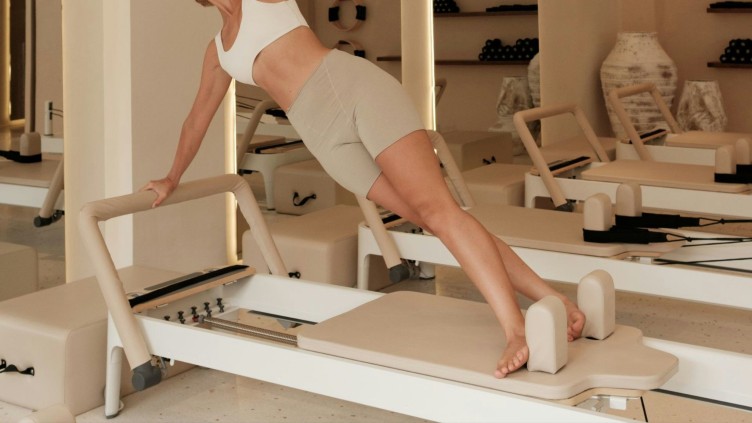
That meant racquet sports, pickleball, squash, badminton, as social anchors, not amenities. Recovery and wellness zones built for participation, not retreat. 250+ events a year, because the infrastructure is just the stage. The programming is what makes it work. And Aufside, our hospitality piece, woven in so a workout flows into breakfast, and a Saturday match flows into the evening, no one needs to leave.
The floor plan isn't the point. The philosophy is. A member should be able to move through fitness, recovery, work, family, and social life without switching environments. That fluidity is the new luxury.
THIS IS BIGGER THAN ONE CLUB
This isn't about Ileseum or Millennium. The most successful lifestyle destinations in the country are already moving in this direction. So are the developers, corporates, and partners we work with.
Earlier this year, we announced a partnership with FITTR to bring preventive healthcare directly into the residential communities we operate. The next frontier isn't the club, it's the relationship between the club and the home.
Restaurants, cafés, and traditional hospitality spaces aren't going anywhere. But their role is changing. They'll increasingly sit inside larger ecosystems where wellness, sport, and social life intersect, not as standalone destinations.
The clubs that survive the next decade won't be the ones with the best bar or the most marble. They'll be the ones that earn a real place in how people live, where they recover, where they socialise, where they belong.
Consumers aren't buying access anymore. They're buying a better version of their daily life.
That's what active wellness really is. And in India, we're just at the start of it.