Pranjal Shah
01-Sep-2025

Kitchen gardens traditionally referred to the corner of the garden reserved for fruits, vegetables and herbs, that is, growing edible plants which can be used in the kitchen. But modernisation, with its rising urban areas, shrinking living spaces and disappearing natural land, has put a new spin on this otherwise conventional concept. A proactive approach of integrating kitchen gardens into home décor through vertical wall plantations, dedicated balconies and even ordained corners for edible plants is making the rounds in cities and towns. Thus, what began as a practice based in necessity is now becoming a luxury style statement with innovative installations, exotic focal points and aromatic visuals.
The Verdure Appeal
These modern kitchen gardens exhibit an elegant functionality, providing a chic green sanctuary using minimal space. However, their appeal flows beyond the superficial aesthetic and convenience. A confluence of health consciousness, environmental awareness, and lifestyle aspirations can be understood as the driver of this green-thumb shift.

Picture Credits: Stockcake
The desire for pesticide-free, truly organic produce is perhaps the most palpable. Amidst discourses surrounding chemical contamination in commercially grown vegetables, growing our own food lets us control the quality of our intake. Rising food prices and concerns over the quality-to-cost ratio of organic produce further add to the attraction of investing in a kitchen garden.
From a more socio-environmental angle, kitchen gardens align with growing environmental consciousness by contributing to urban greening initiatives. These have also emerged as family activities that bring generations together, with children learning about food production while developing motor skills and environmental awareness from an early age.
The Organic Luxury
In lieu of the fragrant, soothing charm, kitchen gardens transcend utility to provide luxurious décor. Treating them as a curated collection instead of a simple growing space provides a viridescent sophistication to a home. Premium materials such as custom Corten steel planters for industrial-chic homes, hand-thrown ceramic pots for bohemian aesthetics, or sleek fibreglass containers for minimalist spaces running in consonance with the home’s overall design provide a natural refinement to the otherwise worldly finish of a home.

Picture Credits: Freepik
Another appeal of kitchen gardens lies in their harmonious integration into living spaces. Strategic placement that maximises both growing conditions and visual impact, such as creating focal points with grouped planters, using vertical growing systems as living walls, or incorporating gardens into kitchen islands and dining areas, lends an unusual sophistication, where greenery becomes an architectural element in itself, blurring the line between utility and art, and transforming the act of cultivation into a curated design statement.
The Practicalities of this Indulgence
While kitchen gardens are becoming alluring ornaments for urban homes, these are also set apart from material furnishings by the consistent involvement necessitated for them to flourish. Following are some practical steps you can take and blunders you can avoid when cultivating your own kitchen garden.
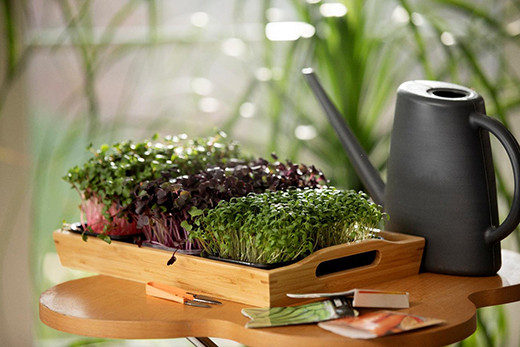
Picture Credits: Freepik
The Do’s

Picture Credits: Pexels
The Don’ts
When done right, kitchen gardens add a rich and refreshing twist to material homes, infusing them with life, flavour, and a sense of mindful luxury. More than just a source of fresh produce, they elevate interiors with greenery, spark conversations at the dining table, and offer a daily reminder that sophistication can combine beauty and nourishment.
Cover Credits: Freepik