Anu Bajaj
21-Oct-2026
The next chapter of wellness is less about finding another way to optimise the body and more about learning to understand it
By Anu Bajaj, Founder, Evolve
For years, wellness has been framed as something to pursue when life gets out of balance. A demanding week calls for a detox, a period of indulgence is followed by a strict routine, and exhaustion becomes the reason to book a retreat. The underlying idea is that wellbeing can be restored through a concentrated burst of effort before life resumes its usual pace. But this approach overlooks a fundamental truth: the body is not a project to be periodically corrected. It is constantly changing, responding to our circumstances, energy levels, hormones and stage of life.
The most meaningful changes do not always begin with ambitious goals or dramatic lifestyle overhauls. Often, they emerge from smaller decisions made consistently: choosing movement over inertia, allowing the body time to recover, making space for nourishment or simply stepping away from the demands of the day. These choices may appear modest, but their value lies in their ability to become sustainable habits rather than short-lived commitments.
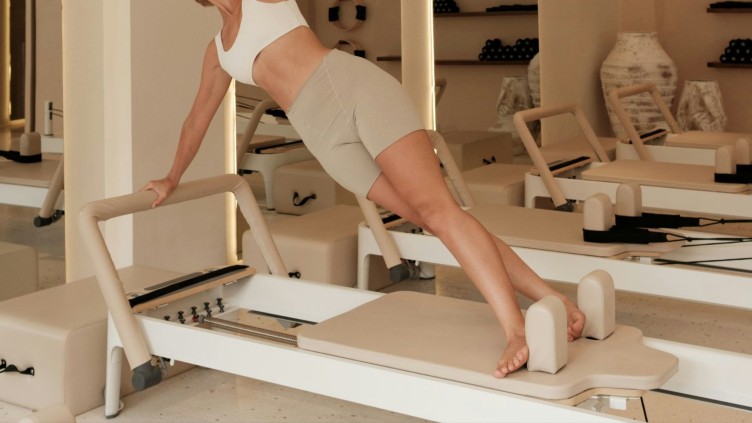
This shift also calls for a more considered understanding of what it means to look after oneself. Wellness culture has often celebrated intensity, whether through demanding workouts, tightly controlled routines or the idea that progress requires constantly pushing personal limits. While discipline and physical challenge have their place, they are only part of the picture. There are days when strength training or an energising workout may feel right, and others when restorative movement, a recovery treatment or a few quiet minutes are more appropriate. Recognising that difference is not a lack of commitment; it is an essential part of understanding the body.
At Evolve, the belief is that the intention to care for oneself should remain consistent, even when the form it takes changes. A woman may find that her usual exercise routine serves her well for months, only to discover that her needs shift as her workload increases, her energy fluctuates or she enters a different phase of life. Instead of viewing these changes as disruptions to a routine, there is value in recognising them as natural signals to adapt. The objective is not to maintain the same level of activity or follow an identical schedule every day, but to develop the awareness to make choices that reflect what the body needs at a particular moment.
This becomes especially relevant when considering the different stages of a woman's life. The needs of someone in her twenties may differ considerably from those of a woman navigating pregnancy, recovering during the postpartum period, experiencing perimenopause or entering later life. Energy, recovery, strength, nutrition and emotional wellbeing can all require different forms of attention over time. A universal formula cannot adequately account for these differences, which is why wellness must be approached with flexibility and informed guidance.
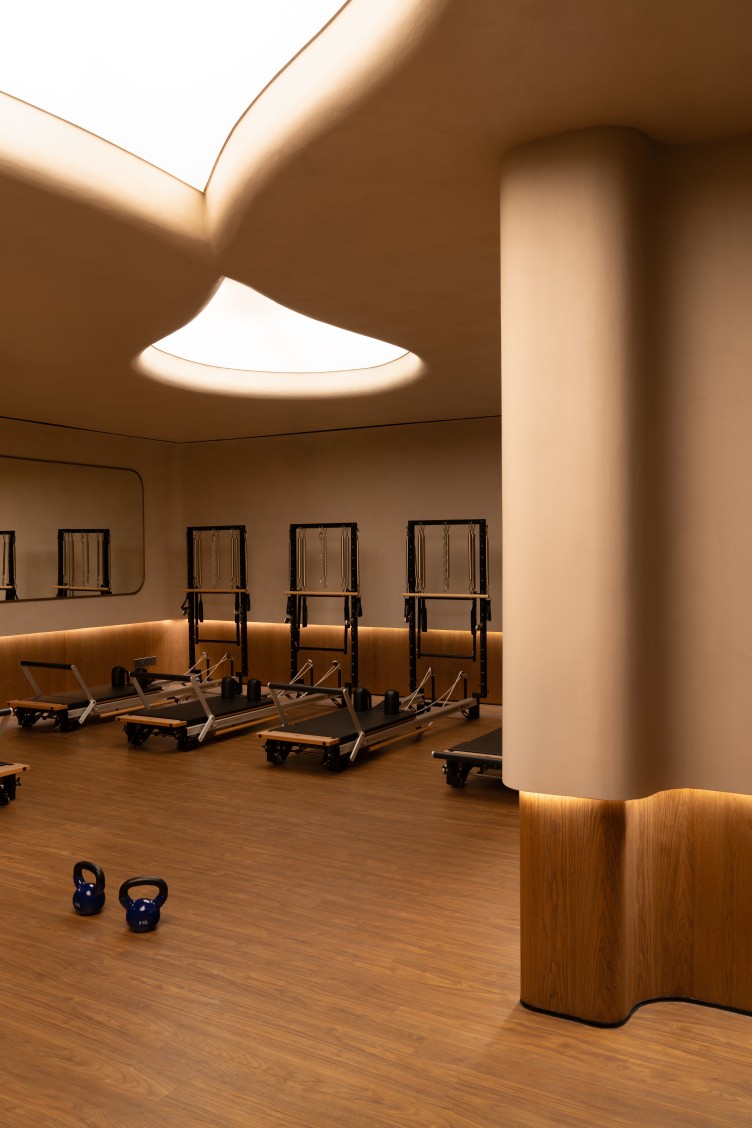
The more useful question, therefore, is not whether a woman has found the perfect routine, but whether her routine continues to serve her. At Evolve, bringing movement, recovery, nutrition, expert guidance and mindfulness together creates the opportunity to approach wellbeing from multiple perspectives. Rather than treating these as separate pursuits, the aim is to make them complementary parts of a broader, more responsive approach to health. This allows women to explore what works for them, adjust when circumstances change and build a relationship with their wellbeing that extends beyond any single treatment or fitness goal.
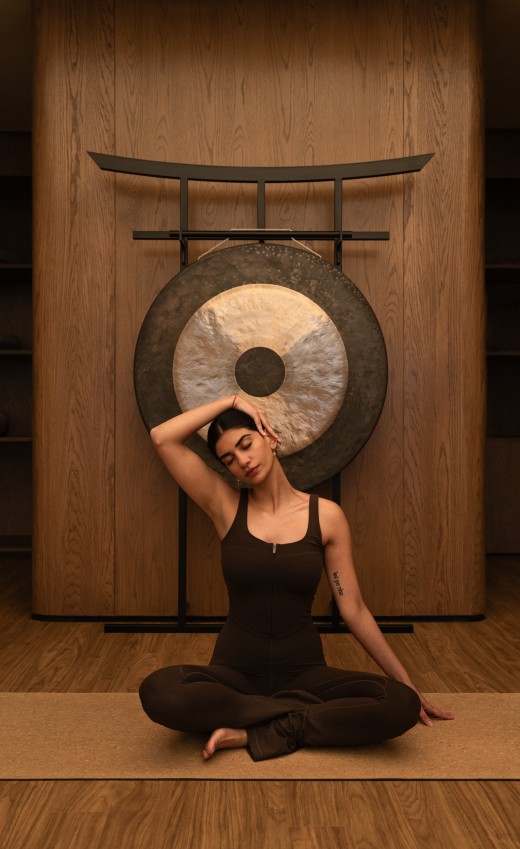
Equally important is the role of recovery, which is often undervalued in a culture that associates progress with doing more. One of the recurring observations at Evolve is that women sometimes arrive believing they need greater discipline, more exercise or tighter control over their routines. Yet the more immediate need may be rest, a moment of stillness or the opportunity to be cared for without having to manage another responsibility. These experiences are not peripheral to wellness. They are part of what makes a sustainable approach possible.
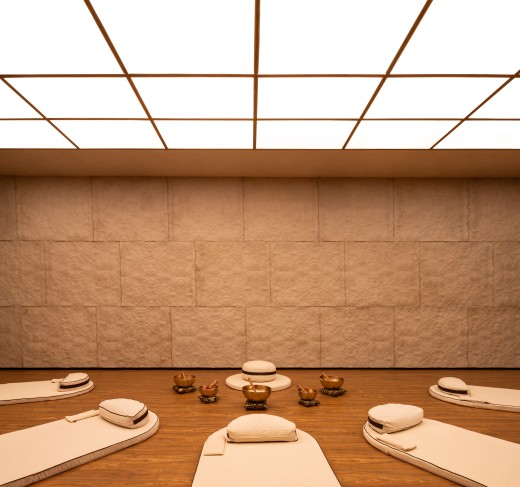
Sometimes, the most valuable ritual is not another activity added to an already crowded schedule. It is the decision to pause before exhaustion sets in, to put the phone aside, to spend ten minutes in meditation or to make room for a treatment that supports recovery. Even a short period of quiet can offer a welcome break from the constant demands on a woman's attention. At Evolve, the Cocoon reflects this understanding of rest as an intentional part of the wellness experience: a space where women can step away from external expectations and turn their attention towards themselves.
The luxury of wellness, in this context, is not simply defined by the range of treatments available or the sophistication of the environment. It is also found in the quality of attention, the relevance of the guidance and the freedom to choose what feels appropriate without being bound by a rigid programme. A considered wellness experience recognises that no two women arrive with precisely the same needs. It makes room for individuality, while bringing together the expertise and facilities that can support different aspects of wellbeing.

This is also why consistency deserves to be reconsidered. It is often understood as the ability to repeat the same behaviour without deviation. In reality, consistency can be much more personal. For one woman, it may mean regular strength training; for another, it may involve prioritising recovery, improving her relationship with food or protecting time away from screens. There may be weeks when movement takes precedence and others when rest becomes more important. What matters is not adherence to an inflexible schedule, but the continued intention to pay attention to one's needs and respond with care.
As the conversation around women's wellness evolves, there is an opportunity to move beyond the pursuit of a single ideal. Wellbeing is not a fixed destination, nor is it a state that can be secured through a short period of intensive effort. It is an ongoing relationship shaped by changing needs, daily choices and the willingness to reassess what works. The rituals that support this relationship should be able to change, too.
Ultimately, the next chapter of wellness is less about finding another way to optimise the body and more about learning to understand it. It asks women to replace the pressure to constantly improve with the confidence to make informed choices, to recognise when effort is needed and when rest is equally valuable. At Evolve, this is the thinking behind a more enduring approach to wellbeing: one that makes space for movement and stillness, discipline and flexibility, expert care and personal choice.
The new wellness ritual does not have to begin with a dramatic commitment or a promise to start afresh on Monday. It can begin with a simple question: What do I need today? Learning to answer that question, and allowing the answer to change over time, may be one of the most meaningful ways a woman can care for herself.