Avanish Agarwal
01-Jun-2026
As millennials and Gen Z rewrite the rules of luxury, jewellery brands are racing to keep up.
Inputs by: Avanish Agarwal CEO & Managing Partner, Sri Jagdamba Pearls
For decades, the jewellery industry operated on a set of unwritten rules; jewellery was purchased for weddings, inherited across generations, stored in bank lockers, and rarely spoken about outside the family. Value was measured in grams, trust was earned over lifetimes, and the customer walked in already knowing what they wanted.
That customer is changing. And so are the brands! India's millennial and Gen Z consumers — a cohort that will account for the lion's share of discretionary spending over the next decade — do not experience jewellery the way their parents did. They are more informed, more design-conscious, more emotionally invested in the story behind what they wear, and considerably more impatient with brands that fail to meet them where they are. For those of us who have spent careers building fine jewellery institutions, this is not a threat. It is the most exciting inflection point the industry has seen in a generation.
The Design Shift: From Occasion to Identity
For the longest time, fine jewellery design in India was driven by occasion — the wedding lehenga determined the necklace, and the festival calendar dictated the jeweller's production schedule. The next generation has fundamentally disrupted this logic.
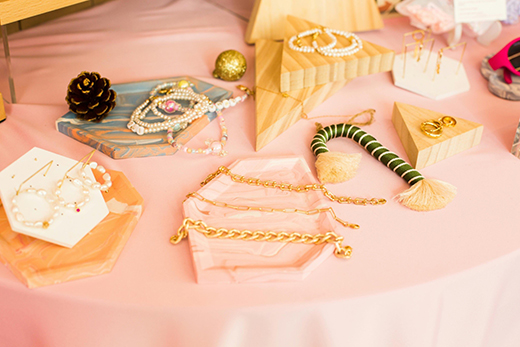
Today's young buyer is purchasing jewellery as an expression of personal identity, not social obligation. They want pieces they can wear to a board meeting, a rooftop dinner, and a weekend getaway, sometimes in the same week. This has catalysed a surge in what the industry calls 'everyday luxury': lightweight gold pieces, minimalist diamond solitaires, gemstone stackers, and pearl drops that sit elegantly at the intersection of tradition and modernity.
(Image Credits: Pexels)
The elaborate, heavily crafted bridal sets that once formed the backbone of a jeweller's portfolio are still essential — but they can no longer be the only conversation. Collections must now speak in multiple registers: heirloom-weight pieces for the purists and wearable, versatile designs for the woman who sees jewellery as a daily companion rather than a ceremonial artefact.
At Sri Jagdamba Pearls, for instance, we have invested deeply in building lines that honour our heritage in natural pearls while introducing contemporary silhouettes, layered strands, asymmetric drops, and mixed-metal settings that resonate with younger buyers without alienating those who have trusted us for generations.
The Retail Rethink: Experience Over Transaction
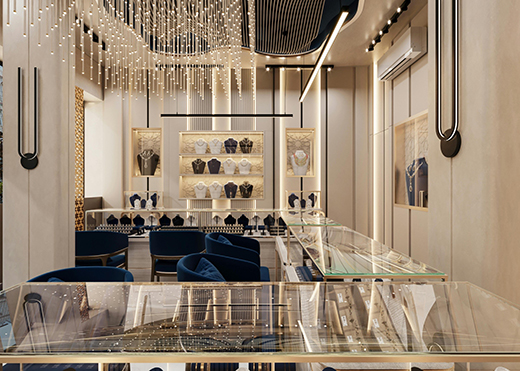
Walk into a traditional jewellery store and the experience often feels transactional: glass counters, hovering salespeople, and price tags in small print. The next generation does not want to be sold to. They want to be understood. Leading brands are reimagining retail as a sensory and emotional experience. Store design has become as important as the product on display. Ambient lighting, curated interiors, private consultation pods, and digital try-on tools are becoming table stakes for serious domestic players.
(Image Credits: Pexels)
More significantly, the role of the in-store associate is evolving from salesperson to trusted advisor. Young consumers come in armed with research; they have already scrolled through Instagram, watched YouTube comparisons, and read jewellery blogs. What they need in-store is validation, personalisation, and a human connection that the internet cannot replicate.
Storytelling as Strategy
Perhaps the most significant evolution has been in how fine jewellery brands communicate. The old model was simple: advertise heavily during the wedding season, lead with celebrity faces, and trust that aspirational imagery would do the rest. This still has its place. But it is no longer sufficient.
The next generation wants to know where the gemstone was sourced, who crafted the piece, what tradition it belongs to, and why it matters. Brands that can tell these stories through documentary-style social content, founder narratives, craftsman spotlights, and the celebration of regional jewellery traditions. Digital storytelling has become a serious discipline within fine jewellery marketing. Short-form video content on Instagram and YouTube, behind-the-scenes glimpses of the workshop, and interactive content that educates buyers on gemstone quality and certification are all driving engagement in ways that conventional advertising cannot.
Transparency, Trust, and the Certification Imperative
One of the defining characteristics of the next-generation buyer is their insistence on transparency. They will ask about hallmarking, BIS certification, gemstone grading reports, and sustainability practices, and they will expect clear, honest answers.
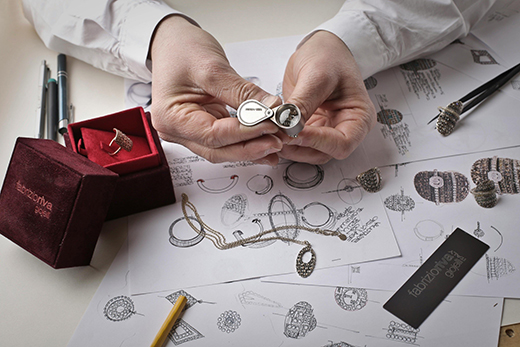
This is, in many ways, a gift to the industry. The push for transparency is accelerating the formalisation of a sector that has historically operated on opaque pricing and unverifiable claims. The younger consumer also carries a nascent but growing consciousness around ethical sourcing. While this is still early-stage in the Indian context, the global conversation around conflict-free gemstones, artisanal mining conditions, and sustainable practices will inevitably reshape buyer expectations here as well. The brands preparing for that conversation now will be considerably better positioned when it arrives.
(Image Credits: Pexels)
The Digital Commerce Frontier
Fine jewellery was long considered one of the last categories that simply could not be sold online. The tactile experience, the weight-in-hand, the intimacy of the transaction — all seemed irreducible to a product page. That assumption has been substantially dismantled.
While high-value bridal sets still close predominantly in-store, a meaningful and growing share of fine jewellery purchases, particularly in the everyday luxury segment, is now completed online. Brands that have built intuitive e-commerce platforms, invested in high-resolution photography and 360-degree product views, simplified the returns process, and integrated EMI and digital payment options are capturing this demand.
The omnichannel model, where discovery happens digitally, consideration is built across social platforms, and purchase closes either online or in a store that feels like a natural extension of the digital experience, is now the operating framework for any brand that wants to remain competitive.
The Opportunity Ahead
India's fine jewellery market is projected to grow substantially through the end of this decade, driven precisely by the rising incomes and evolved preferences of millennial and Gen Z consumers. This is not a market that is shrinking or commoditising. It is a market that is demanding more — more creativity, more honesty, more service, and more meaning.
The brands that will define Indian fine jewellery for the next fifty years are being built right now. And they will be built not by those who are most resistant to change but by those who understand that the essence of great jewellery — beauty, emotion, and permanence — has never changed at all.
Cover Credits: iStock