Ruchi Raj
12-Dec-2025
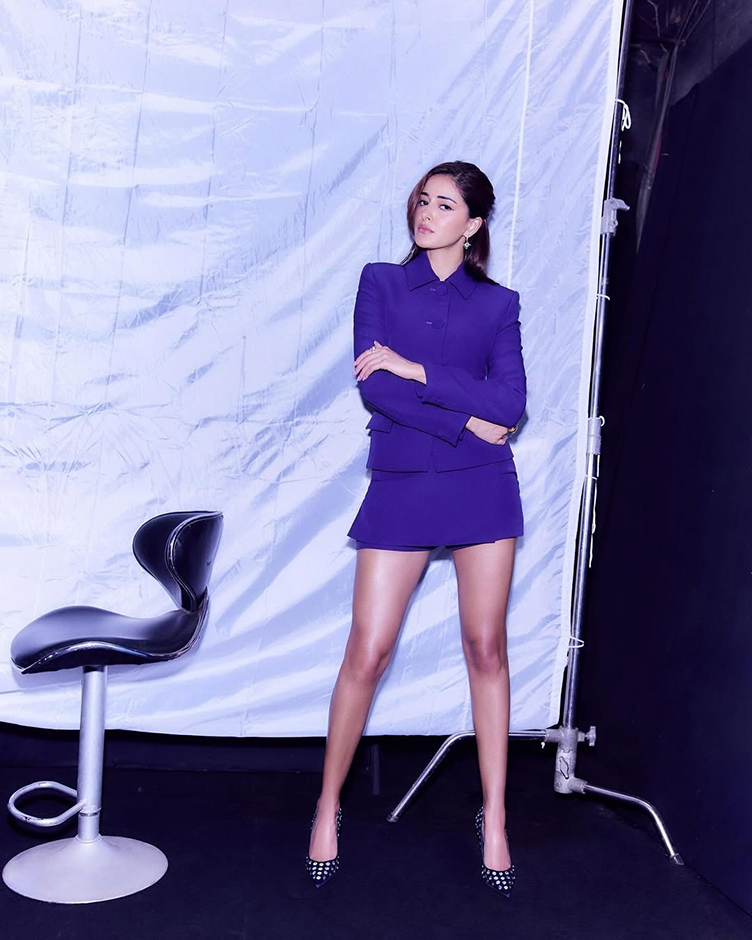
Your personal style and choice of colour and textures at work can affect your productivity more than you think!
Inputs by: Ruchi Raj, Image Coach & Founder of Poised Presence
We have all felt it. One glance in the mirror before a meeting and your confidence rises or drops. That reaction is not just about looks. It is psychology. And it has a name.
In 2012, researchers Hajo Adam and Adam D. Galinsky introduced Enclothed Cognition, showing that clothing shapes how we think, feel and perform. A “doctor’s coat” improved accuracy, while a superhero costume boosted children’s confidence. When clothing carries meaning, the brain adopts that meaning. Clothing becomes cognition.
At PoisedPresence, I see this everyday. A structured blazer sharpens decision-making while a calming texture eases pre-presentation anxiety. What you wear becomes a behavioural cue, an emotional regulator and, often, a quiet productivity tool.
In workplaces where decisions are made in minutes and impressions in seconds, these cues matter. People judge within 7 seconds, and your visual presence makes up 55% of those 7 seconds. When your presence signals clarity before you speak, your ideas land faster.
This is where dopamine, the brain’s feel-good chemical, comes in. Dopamine responds quickly to visual and tactile signals. Dopamine Dressing involves wearing clothes that evoke positive emotions. When a colour energises you or a fabric grounds you, the shift is not superficial, it’s chemical.
Colour psychology supports this strongly. Blue strengthens analytical thinking and reliability, which is why many global tech brands use it. Indian wellness brands choose green for balance. Red increases urgency and action, making it a performance colour.
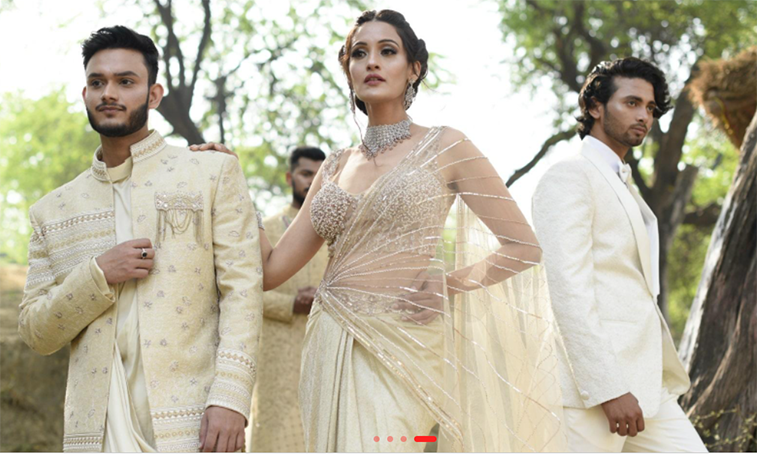
Textures communicate just as powerfully. Smooth, cool fabrics heighten alertness during focus-heavy work. Soft or matte textures reduce sensory load on long decision-making days. Structured garments cue authority. Fluid fabrics increase approachability.
So when I speak of Dopamine Dressing, it is not about colourful wardrobes or maximalism. It is about knowing your psychological triggers and using clothing to regulate emotion, behaviour and leadership presence.
.JPG)
Ask yourself:
• What do I feel most myself in?
• Which shapes or textures lift my energy?
• What three words describe how I want to show up?
If you answer honestly, you will notice patterns. Repeat what feels like you. Let go of what doesn’t. Aligned style boosts mood, reduces decision fatigue and strengthens presence.
Through my Dopamine Style System, I align colour, texture, structure and identity so your wardrobe becomes a psychological toolkit. What you wear is the first environment your mind enters each day. Chosen intentionally, it fuels clarity and steady leadership.
Clothing is not just a costume. It is cognition. Used well, it becomes powerful leadership.
Cover Credits: Instagram @ananyapanday