Dr. Arpit Bansal
23-Jun-2026
Is excessive heat the cause of all your ailments?
Inputs by: Dr Arpit Bansal, Laparoscopic Cancer Surgeon and Gut and Longevity Specialist
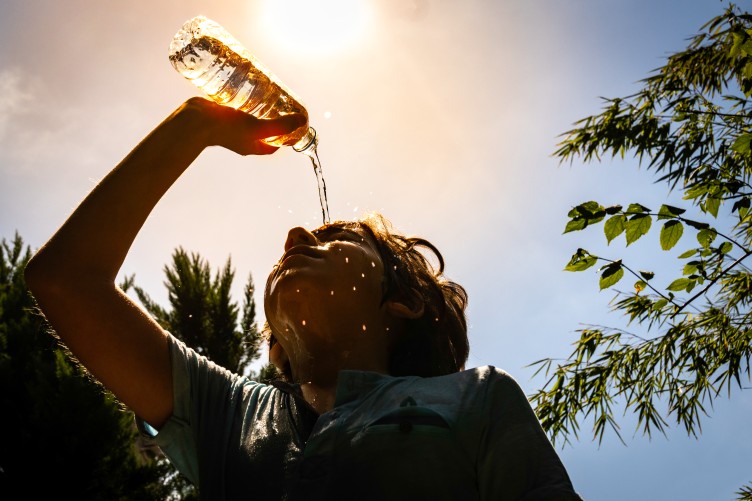
The punishing heat of an Indian afternoon — 43°C, dehydration, exhaustion, and even heat stroke — is not the same as the controlled heat of a sauna or steam room. One is uncontrolled environmental stress the body is desperately trying to escape. The other is a brief, voluntary, recoverable exposure the body can adapt to. Confusing the two is dangerous.
Controlled heat can heal. Studies from Finland found that regular sauna users had lower rates of heart disease and lower markers of chronic inflammation. Used correctly, heat triggers protective “heat shock proteins” that repair damaged cells, widens blood vessels and gently conditions the heart, much like moderate exercise. Physiologists call this hormesis: a small, recoverable stress that leaves you stronger.
However, the same heat can become harmful when the body is already under strain, and this is where inflammation becomes important.
Inflammation itself is not the enemy; it is a natural protective response. Short-term inflammation is part of the body’s repair mechanism. Chronic inflammation, however, is different. It is a low-grade, persistent state that has been associated with conditions such as heart disease, diabetes, neurodegenerative disorders, and age-related health decline. Adding heat stress to a body that is already inflamed — whether from dehydration, sleep deprivation, illness, or prolonged exposure to extreme summer temperatures — may place additional demands on its recovery systems. Stress hormones can remain elevated, circulation may be affected, and what is beneficial under the right conditions may become an added burden.
This also highlights one of the most underestimated factors during the Indian summer: hydration – and not just drinking enough water but maintaining proper cellular hydration. In hot conditions, the body loses significant amounts of fluid and essential minerals through sweat. Total body water is not the same as water inside the cells, where it is needed most. Cellular hydration depends on electrolytes such as sodium, potassium, and magnesium. When these minerals are depleted, the cells may remain inadequately hydrated even if a person feels they have consumed enough water. In some situations, drinking only plain water without replenishing electrolytes may not fully address these losses. Traditional options such as nimbu-paani, chaas, and lightly salted fluids have long been used to help replace both water and electrolytes.
The practical takeaway is simple: Avoid deliberate heat exposure if you are already exhausted or dehydrated from the summer heat. Replenish fluids along with essential electrolytes, keep voluntary heat sessions brief and reserved for times when the body is well recovered, and avoid them altogether if you are unwell, have a fever, or have a medical condition that makes heat exposure unsuitable. If you have an underlying health condition, it is best to consult your healthcare provider before trying practices such as sauna or steam therapy.
Before reaching for heat, ask not “how hot?” but “how ready is my body to respond?”
Cover Credits: iStock