Kinita Kadakia Patel
29-Jul-2026

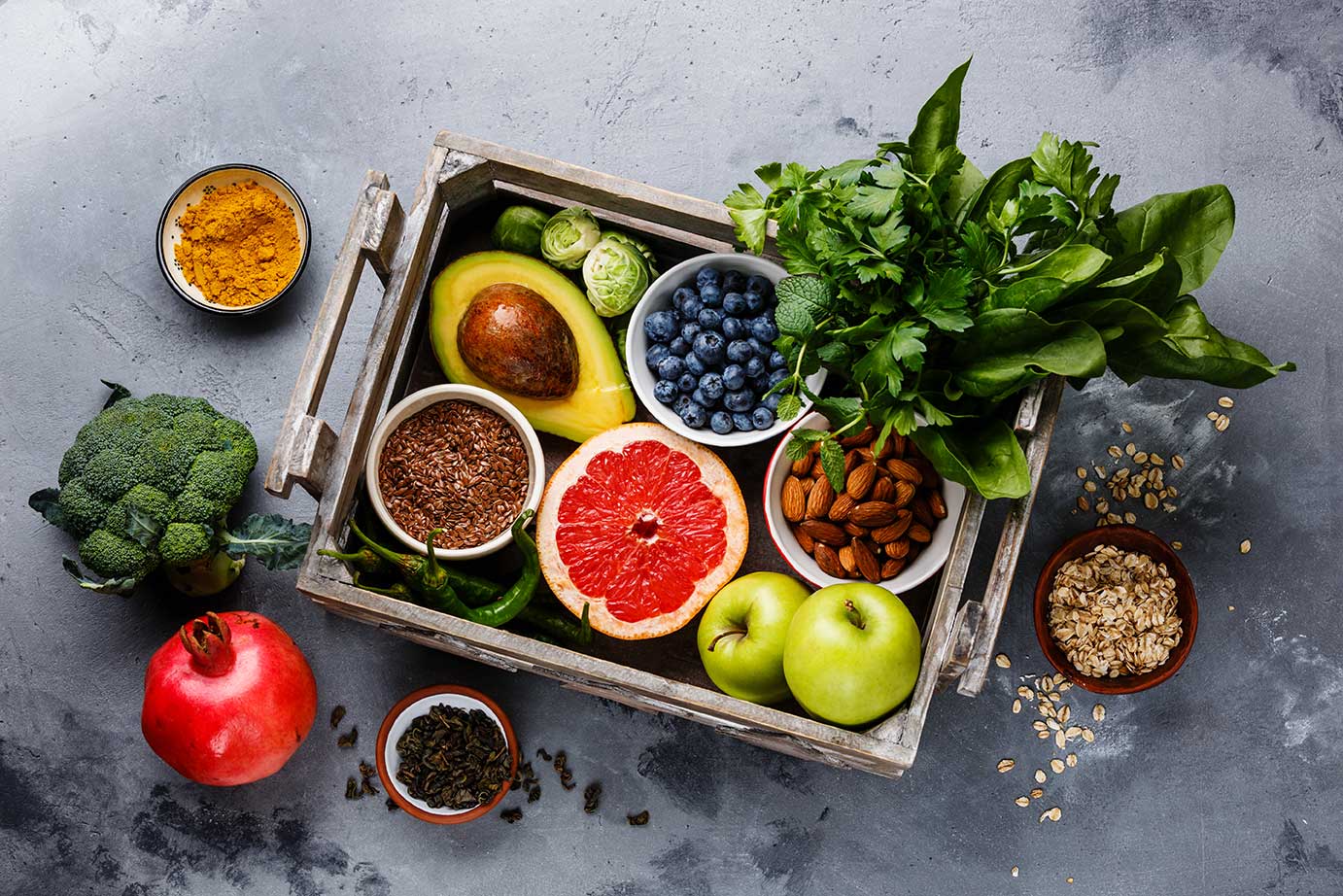
Eating with the seasons is nature’s way of helping us adapt to changing environmental conditions.
By: Kinita Kadakia Patel, Nutritionist and Metabolic Reset & Body Transformation Specialist
Nature has its own way of supporting the human body, and food has always been closely connected to the changing seasons. Long before modern global supply chains, people naturally consumed locally available, seasonal foods that aligned with their environment.
Today, nutritional science continues to highlight the benefits of seasonal eating, which can support dietary variety, gut health, and overall well-being. In many ways, eating with the seasons is nature’s way of helping us adapt to changing environmental conditions.
Let’s take a look at how seasonal dynamics impact physiology.
Temperature Adaptation & Metabolic Rate: As temperatures change, the body adapts its energy expenditure and metabolic needs. In hot weather, sweating increases fluid and electrolyte losses, while colder temperatures increase thermogenesis and energy expenditure.
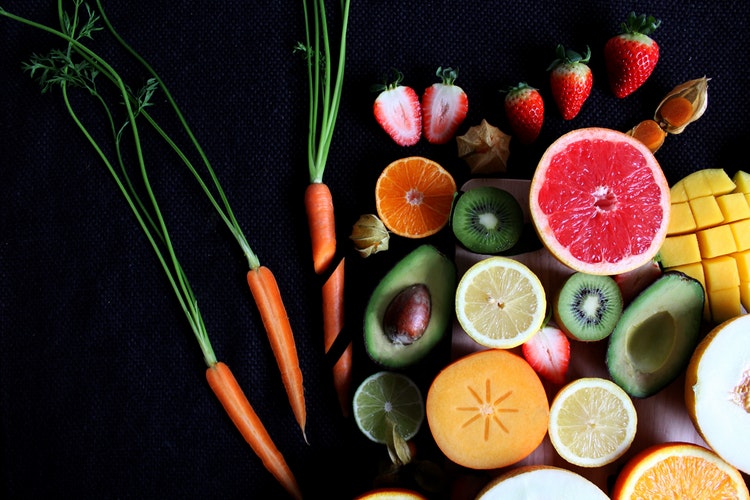
Seasonal foods can complement these changing needs. For example, hydrating foods and beverages such as gond katira may be more suitable in summer, while energy-dense foods such as bajra can be a useful part of a winter diet.

(Image Credits: Pexels)
Microbial Safety & Digestive Bioavailability: Modern technology allows us to enjoy many foods, such as mangoes, almost year-round. However, seasonal changes in humidity—particularly during the monsoon—can increase the risk of microbial contamination and spoilage.
Many traditional cooking practices are rooted in food safety and digestive science. For example, leafy greens may be more vulnerable to contamination during the monsoon because of increased moisture. However, they do not necessarily need to be avoided altogether. Proper washing and cooking, including blanching where appropriate, can help reduce microbial risks and make them safer to consume.
Understanding how nutritional needs and food safety considerations change throughout the year can help us make more informed choices. Eating a varied diet that includes seasonal foods, while preparing them appropriately, can support overall health and well-being.
Below is a season-by-season nutritional analysis to help you make informed and healthy food choices throughout the year.
Summer: Cooling, Hydrating & Homeostasis
During the scorching heat, the body loses fluids quickly and digestion naturally slows down. Traditional summer fluids focus on cooling the digestive tract, replenishing lost electrolytes, and preventing heat strokes. Most commonly consumed hydrating drinks are Coconut water, Raw mango juice, Buttermilk, Sattu, Kokum Water, Gond Katira, etc.

(Image Credits: Pexels)
Monsoon: Digestive Support & Immunity
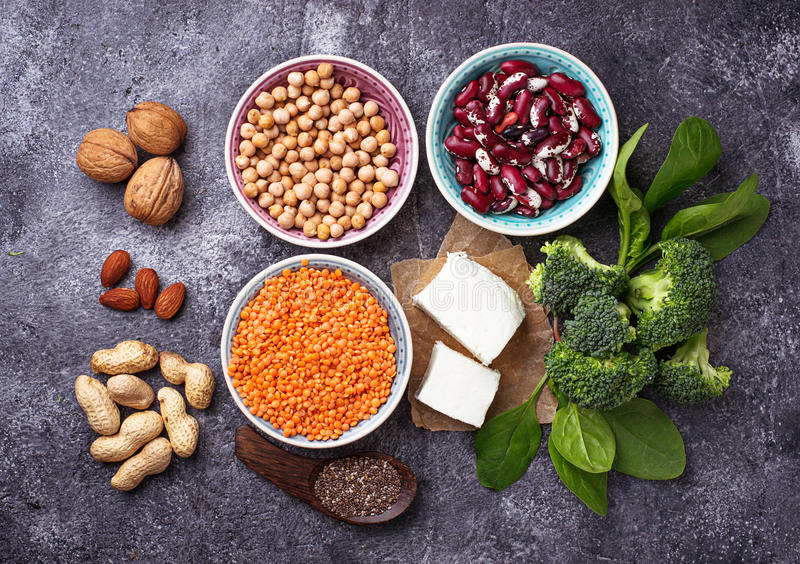
With high humidity and heavy rainfall, there is a drop in immunity, and the body’s digestive capacity becomes sluggish. Traditional monsoon diets minimise raw greens during these seasons and focus on fewer raw, more cooked and few immunity-boosting foods.During the damp monsoon, herb-infused water with ginger, turmeric, black pepper, and garlic fortifies immunity against seasonal infections. Simultaneously, its gentle thermogenic heat also stimulates sluggish digestive enzymes, preventing bloating and keeping your gut light.
Winter: Maintain: Body Temperature & Joint care
(Image Credits: Pexels)
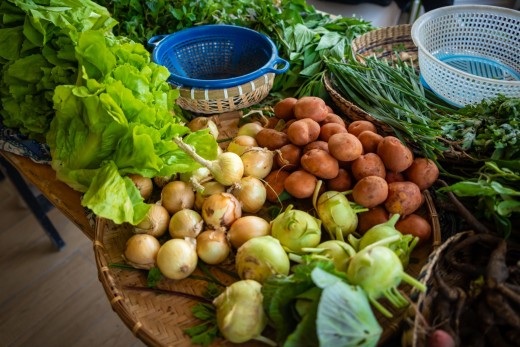
During winter, the body may expend more energy to maintain its core temperature through thermogenesis. Winter nutrition can therefore focus on nutrient-dense foods that provide adequate energy, healthy fats, and high-quality protein.
Nuts, seeds, ghee, and meat can contribute healthy fats and protein to the diet. A balanced, nutrient-rich diet, along with regular movement, can also support overall joint and muscle health during the colder months.
Aligning your plate with the shifting seasons isn't just ancient tradition; it's biological optimisation. By adapting your cooking methods, fluid intake and nutrient density to the climate, you actively support your gut microbiome, thermal balance and seasonal immunity. Eating with the weather rather than against it transforms everyday meals into targeted, functional medicine for your body. Ultimately, true metabolic health begins when your daily diet evolves with the season around you.
Cover Credits: Pexels