CGH Earth
15-Oct-2026
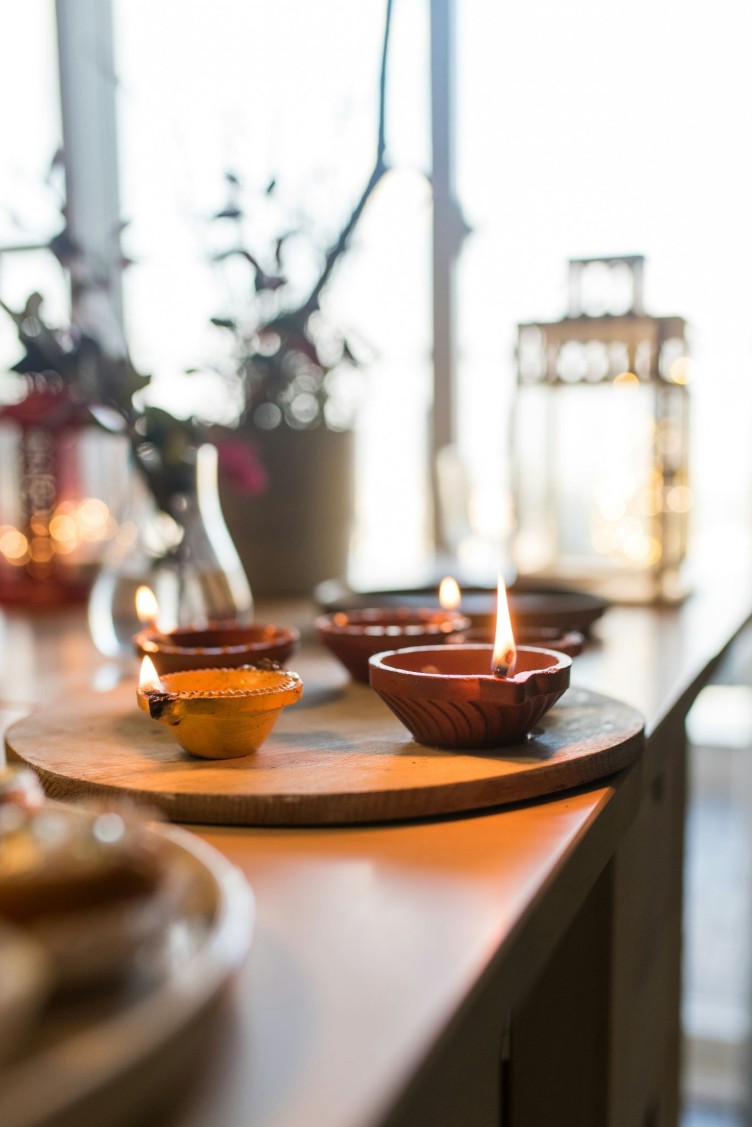
The Ayurvedic approach is not about avoiding celebration. It is about creating enough balance to enjoy it fully.
The festive season is often described as a time of abundance—abundant food, gatherings, travel, late nights and celebrations. But before the first Diya is lit and the festive table is filled, Ayurveda offers a quieter invitation: prepare the body before asking it to celebrate.
This year, the festive calendar arrives alongside Sharad Ritu, the Ayurvedic autumn season, traditionally observed from around mid-September to mid-November. Following the monsoon, nature moves through a period of transition, and Ayurveda describes this season as one in which Pitta Dosha becomes more prominent. At the same time, Agni, the digestive fire, is adapting to the changing environment.
For the physicians at Kalari Kovilakom and Kalari Rasayana, this makes the weeks before the major festivities an ideal time to return to simple, conscious routines.
THE AYURVEDIC PRE-FESTIVE RESET
Begin with Agni- Before the festive indulgence begins, give digestion a little less to manage. Ayurveda traditionally recommends freshly prepared, warm and easily digestible meals during periods when Agni is undergoing seasonal adjustment. Smaller portions and appropriate digestive spices can be more supportive than repeatedly overwhelming the digestive system with heavy meals.
The principle is simple: do not wait for digestion to struggle before you start listening to it.
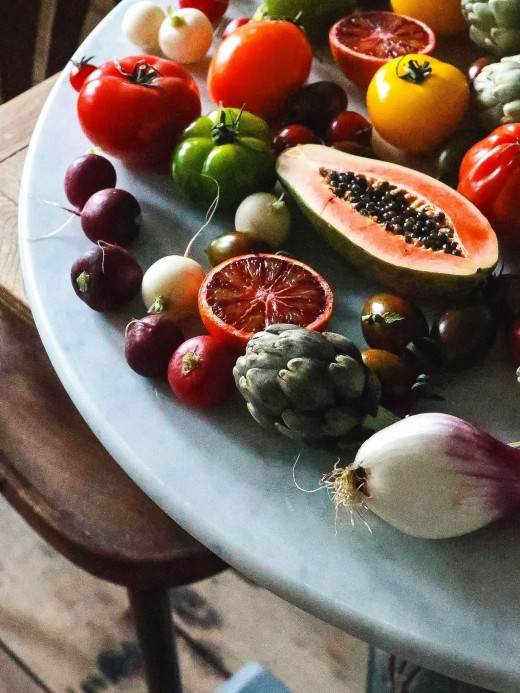
Eat with the season, not against it- Sharad Ritu is traditionally associated with foods that help maintain Pitta balance. Seasonal fruits, green gram, gourds and other lighter foods can form part of the everyday diet, while suitable quantities of ghee provide nourishment. Rather than following restrictive diets before the festivities, Ayurveda encourages food choices that are appropriate to the season and individual constitution.
Credits: Pexels
Let hydration be uncomplicated- There is no need to turn hydration into another elaborate wellness ritual. Plain boiled and cooled water can be taken regularly. Warm water infused gently with small amounts of ginger, cardamom or cinnamon may complement digestion. The emphasis is on moderation, especially with very cold, sugary or highly processed drinks.
Bring Abhyanga back to the daily routine- Among Ayurveda's most enduring self-care practices is Abhyanga—the application of oil to the body through a mindful self-massage. Beyond skincare, it offers an opportunity to slow down, reconnect with the body and create a calming pause in an increasingly busy day. The appropriate oil and method can vary according to individual constitution and seasonal needs.
Think of skin as part of the whole- Ayurveda does not view radiance as something created exclusively on the surface. Healthy-looking skin is traditionally considered to reflect nourishment and internal balance. Seasonal fruits, sufficient hydration, appropriate nourishing fats and well-digested food can therefore be as relevant to a natural glow as external skincare.
?Protect your sleep before the festivities take over- A few late nights may seem harmless, but repeated disruption can quickly become a pattern. Maintaining regular sleeping and waking times is an important part of Dinacharya, the Ayurvedic daily routine. Establishing this rhythm before the festive calendar becomes demanding can help the body cope better when social schedules inevitably extend into the night.
Enjoy sweets without turning every day into a feast- Festivals naturally come with sweets, rich foods and celebratory drinks. Ayurveda does not ask us to remove pleasure from the occasion; it asks us to recognise excess. Constant snacking and repeated consumption of heavy, sugary or alcoholic foods can place additional demands on digestion and may aggravate Pitta in susceptible individuals.
The festive sweet is meant to be enjoyed—not necessarily repeated at every meal.
Make room for movement- A short walk after a meal, regular physical activity or simply maintaining everyday movement can help prevent the festive season from becoming entirely sedentary. The aim is not intensive exercise, but maintaining a natural rhythm between nourishment, activity and rest.
Give the mind its own preparation- Festivals can be wonderful, but they can also be sensory and emotionally demanding. Ayurveda's understanding of wellness extends beyond the physical body. A few minutes of conscious breathing, meditation, quiet reflection or simply stepping away from a crowded schedule can create valuable space for the mind.
A SEASON TO RESET, NOT RESTRICT

Credits- Kalari Kovilakom
According to Dr Jouhar K., Chief Medical Officer, CGH Earth Ayurveda, the preparation for the festive season begins long before the celebrations themselves, “Festivals represent abundance, and Ayurveda does not ask us to turn away from that abundance. Instead, it teaches us to understand our capacity and maintain balance. Sharad Ritu is an important seasonal transition, and preparing the body beforehand can make a meaningful difference to how we experience the weeks that follow. When digestion is supported, routines are respected and the mind is given moments of stillness, celebration becomes something we participate in with greater awareness rather than something we recover from afterwards. At Kalari Kovilakom and Kalari Rasayana, our approach to Ayurveda is rooted in understanding the individual and restoring balance through personalised care.”
WHERE AYURVEDA BECOMES A WAY OF LIFE
At Kalari Kovilakom and Kalari Rasayana, Ayurveda is approached not as a collection of isolated treatments, but as a comprehensive system of healthcare and wellbeing.
Kalari Kovilakom, established in 2005 and located in Palakkad, Kerala, is set within a historic Kerala palace. Kalari Rasayana, established in 2012 near the tranquil Paravur backwaters in Kollam, offers a distinctive healing environment surrounded by nature and water.
Both are NABH-accredited Ayurveda hospitals, where each guest's programme begins with a detailed consultation and assessment by an Ayurveda physician. Treatment recommendations are personalised according to the individual's health condition, constitution and requirements and may include classical Ayurvedic therapies, dietary guidance, yoga, and meditation and lifestyle practices.
For guests seeking a deeper reset before or after a demanding period of travel, celebration or work, the centres offer structured Ayurveda programmes designed around individual needs rather than a standardised wellness formula.
THE REAL FESTIVE GLOW
The most meaningful preparation for the festive season may not be another beauty treatment, another restrictive diet or another wellness trend.
It may simply be returning to the body's natural rhythm.
Eat with awareness. Sleep consistently. Move regularly. Create moments of stillness. Nourish rather than overload. And allow the wisdom of the season to guide the way.
Because, in the Ayurvedic view, radiance is not merely something applied to the skin—it is an expression of balance cultivated from within.
Cover Credits: Unsplash