
Sonali Tandon
27-Nov-2026
14 Restaurants to Discover in Dubai
From Japanese dining and Mediterranean flavours to the culinary traditions of the Middle East and Central Asia, explore 14 restaurants adding something distinctive to Dubai’s food scene.
Dubai has become a crossroads of food cultures from around the world. Its restaurant scene brings together different cuisines, cooking styles and dining experiences, offering visitors plenty of reasons to venture beyond the familiar.
Some restaurants stand out for their location, others for their food or the traditions behind their menus. Each offers a different experience, whether you are dining high above the city, discovering regional recipes or watching chefs prepare food in front of you.
If you enjoy trying new cuisines, appreciate good food or simply like finding interesting places to eat, here are 14 restaurants to know in Dubai.
1. Kinugawa
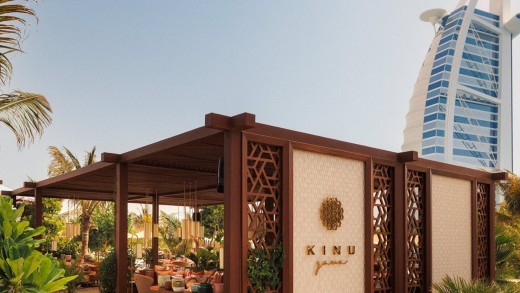
Located at Jumeirah Marsa Al Arab, Kinugawa brings together Japanese dining and Parisian influences. The restaurant features sculptural interiors and views of the Burj Al Arab, creating a setting that is as distinctive as its culinary identity.
It offers a contemporary take on Japanese dining, bringing two cultural influences together in one experience.
2. Jou Jou Brasserie
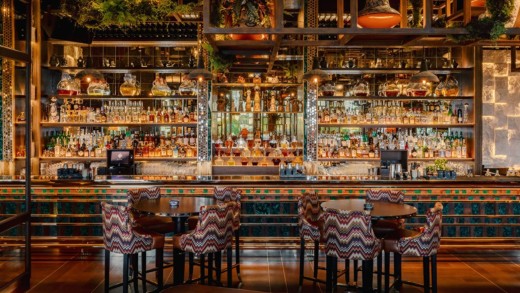
Inspired by the French Riviera, Jou Jou Brasserie is located at Four Seasons Resort Dubai at Jumeirah Beach.
The menu reflects the cuisine of the Mediterranean coast, while the concept draws on the relaxed dining culture of southern Europe. It is a place for those who enjoy Mediterranean flavours and the simple pleasure of taking time over a meal.
3. Cut Caviar
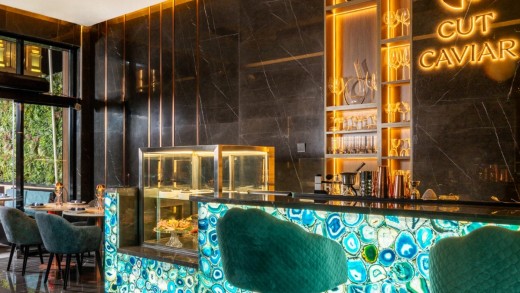
At Meleo Hotel on Palm West Beach, Cut Caviar brings together Mediterranean influences and the world of caviar.
The restaurant explores the ingredient through a range of culinary preparations, with an emphasis on craftsmanship and experimentation. The experience is centred on one of the most recognisable ingredients in luxury gastronomy.
4. Lion in the Sun
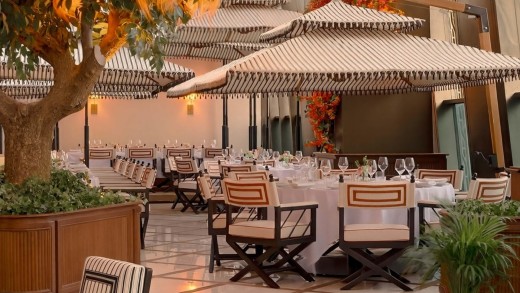
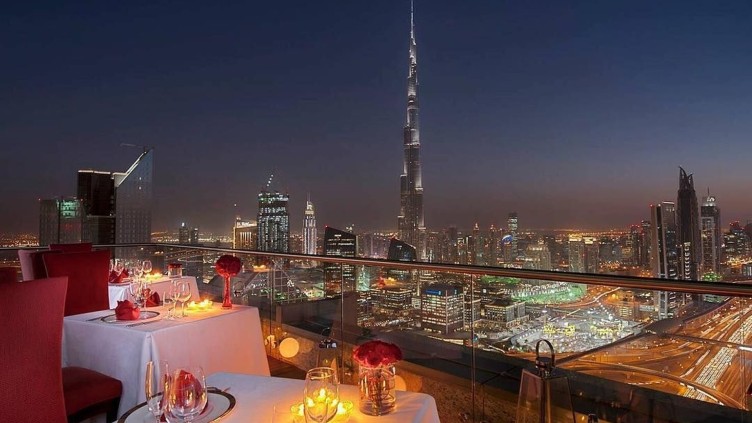
Located on the 61st floor of Mandarin Oriental Downtown, Lion in the Sun combines open-fire cooking with panoramic views of Dubai.
The restaurant places a focus on fire-led cooking, with the city’s skyline providing the backdrop. It is a distinctive setting for those who enjoy combining a dining experience with views of the city.
5. Sut?ki
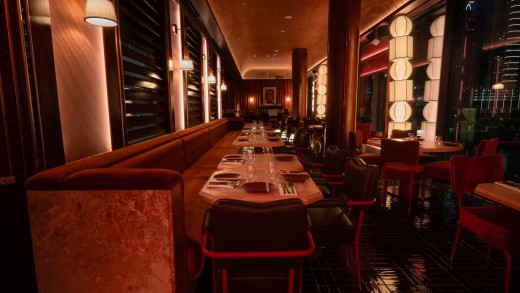
At Dubai Harbour, Sut?ki places wagyu at the centre of its menu. Known for its rich flavour and marbling, wagyu is explored through different preparations and techniques.
The restaurant combines this focus on the ingredient with an intimate setting overlooking the waterfront.
6. Amaru
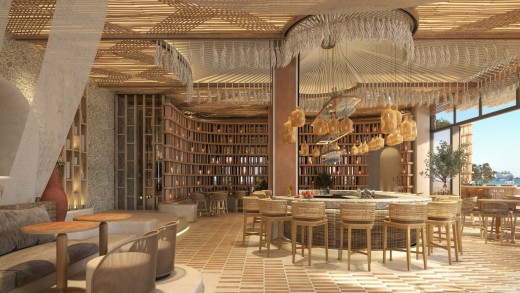
Located at Souk Madinat Jumeirah, Amaru brings Latin American flavours and fire-led cooking to Dubai.
Warm interiors create a welcoming atmosphere, while its approach to food draws on the region’s varied culinary traditions. The restaurant brings together bold flavours and the social side of dining.
7. La Lupa
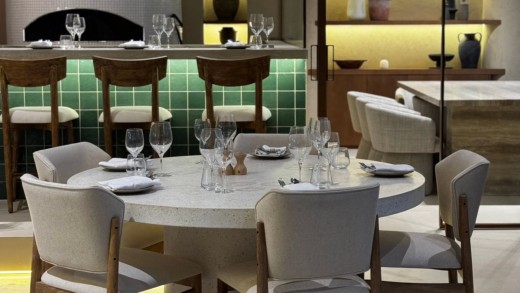
At Dubai Design District, La Lupa focuses on coastal European cooking, with handmade pasta at the heart of its menu.
The restaurant also features an open kitchen, giving guests a closer look at the preparation behind their meals. Its intimate setting and communal table make it a destination centred on food and shared dining.
8. Arabesque
Located in Al Jaddaf, Arabesque adds another destination to Dubai’s diverse dining scene.
Its identity is associated with Middle Eastern dining and hospitality, reflecting the region’s close connection between food and gathering. The available reference material does not provide further verified details about its menu or interiors.
9. Tezukuri
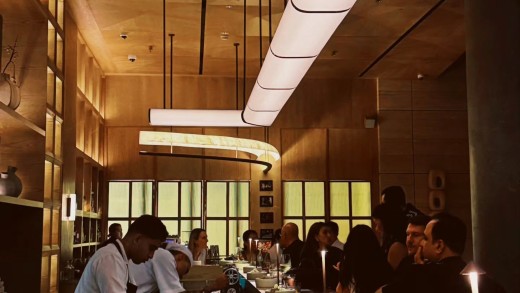
In Downtown Dubai, Tezukuri showcases Japanese temaki, with hand rolls prepared in front of guests.
Preparation is an important part of the experience, offering a closer look at the craft behind Japanese hand rolls. The restaurant also features a hidden vinyl listening room, bringing food and music together in a distinctive setting.
10. Son of a Fish
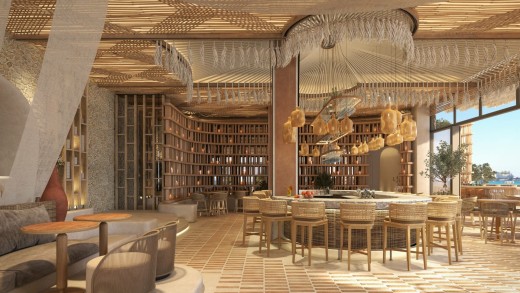
Inspired by the Athenian Riviera, Son of a Fish brings Greek seafood traditions to Dubai Harbour.
Its concept draws on the food and atmosphere of the Greek coast, while its waterfront location complements the menu. It offers a relaxed take on Mediterranean dining in one of Dubai’s marina destinations.
11. Sana
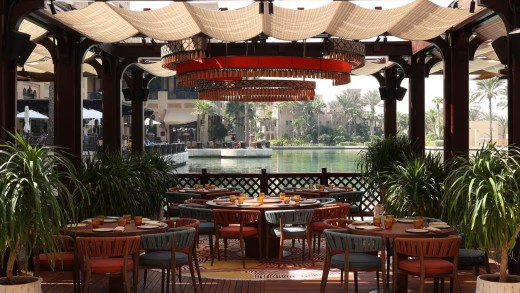
Located at Madinat Jumeirah, Sana introduces guests to the culinary traditions of Uzbekistan.
The menu includes traditional plov and regional recipes, offering a look at a cuisine that is less commonly found in Dubai. Central Asian hospitality is also an important part of the experience, making Sana an interesting destination for those looking to explore different food cultures.
12. Naranj Café
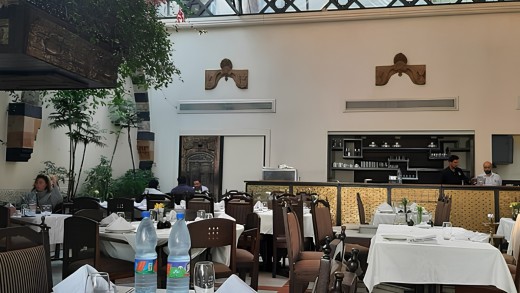
At DoubleTree by Hilton Dubai Al Jadaf, Naranj Café brings Syrian food traditions to Dubai.
The menu draws on family recipes and traditional cooking, with mezze, charcoal-grilled meats and slow-cooked specialities. Its interiors feature arches, patterned screens, warm wood and earthy tones inspired by the region.
From savoury dishes to a selection of distinctive desserts, Naranj Café offers a taste of Syrian culinary heritage and Levantine hospitality.
13. Window
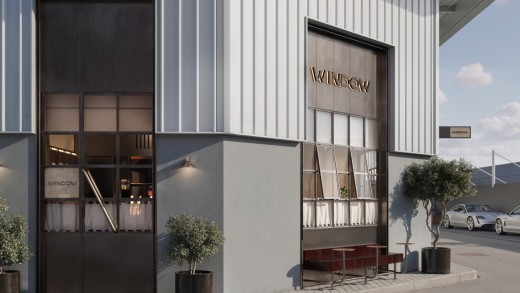
Located at Alserkal Avenue, Window is an intimate 32-seat restaurant centred on open-fire cooking.
The menu explores how smoke and flame can shape the flavour of ingredients. With a smaller dining space and a focus on the cooking process, the restaurant offers a different approach to contemporary dining in Dubai.
14. Bocasu
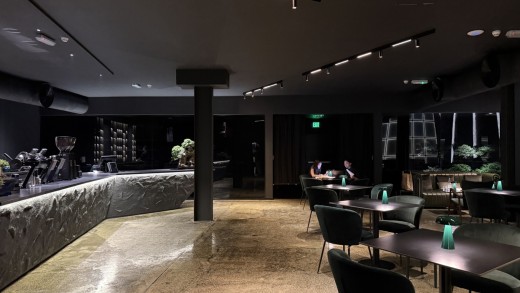
Located in Al Quoz, Bocasu brings Japanese techniques into a contemporary dining experience.
Its menu includes hand rolls and ramen, alongside tableside preparations that allow guests to see some of the cooking process up close. The restaurant takes a playful approach to Japanese dining while keeping its culinary influences at the centre of the experience.
A City of Different Food Cultures
Dubai’s dining scene continues to grow through the cuisines, cultures and ideas that come together across the city. These restaurants offer a variety of culinary and cultural experiences, from Greek seafood and Japanese temaki to Uzbek dishes and Syrian home cooking.
Some place the focus on traditional techniques, while others offer new interpretations of familiar cuisines. Together, they reflect a city where dining is not limited to a single style or tradition, but continues to evolve with every new experience.

Niraamaya Wellness Retreats