Dipali Mathur
24-Nov-2025
If you are planning a wedding this season, these trends are the new face of Indian wedding aesthetics
Inputs by: Dipali Mathur, Chief Business Officer at Kestone Utsav
Indian weddings have always carried the weight of history, tradition, and family pride. They were once defined by scale and spectacle, yet a quiet refinement has taken hold in recent years. The new wedding aesthetic blends cultural depth with couture precision, where heritage meets individuality and luxury finds meaning beyond excess.
The Shift from Extravagance to Expression
Earlier, grandeur meant opulence – for instance lavish décor, endless guest lists, and ceremonies that spanned days. Today, couples seek meaning rather than magnitude. Budgets remain high, with the average Indian wedding now ranging from ?50 lakh to ?2 crore, about 10 to 15 percent higher than last year, but the spending is more deliberate. Money goes toward experiences, design stories, and sensory detail. Every flower, fabric, and flavour is chosen to say something personal.
Smaller, more intimate guest lists reflect this shift. Even when a wedding hosts hundreds, every guest is part of a curated experience. From personalised itineraries to culinary journeys inspired by the couple’s shared history, the focus has moved from entertaining crowds to creating connections.
Design as Identity
Décor has evolved into visual storytelling. It no longer imitates trends but reflects personality and place. A heritage textile might become a stage backdrop. A family crest may find new life as an invitation motif. Event designers are blending materials and influences to create layered aesthetics that feel rooted yet modern.
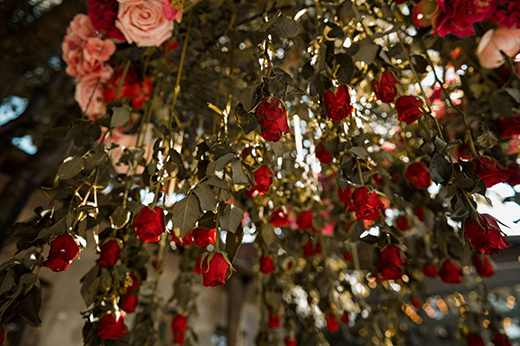
For cross-cultural unions, design serves as a bridge. A Punjabi-South Indian wedding may balance vibrant phulkari with muted temple motifs. An Indo-European celebration could combine marigolds with peonies. Every choice carries intent, weaving together global aesthetics without losing authenticity.
Venues with Character
Venues have become central to storytelling. Couples are spending across a wide range of spaces, from boutique and heritage hotels in India to international settings such as private islands in Thailand, estates in Bali, the Amalfi Coast, and villas in Tuscany. In India, lakeside palaces in Udaipur, forts in Jaipur and Jodhpur, and the beaches of Goa remain enduring favourites. Others are choosing quieter elegance in Coorg’s coffee estates, Kerala’s backwaters, or the hills of Mussoorie and Shimla.
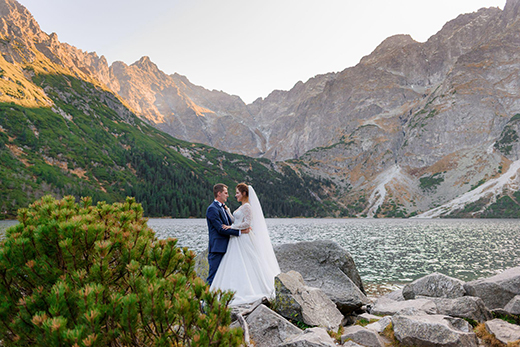
These spaces lend identity to the event and often reduce the need for heavy décor. Their architecture, history, and natural beauty become part of the narrative. Budgets for destination weddings now begin around ?50 lakh and can rise beyond ?1.5 crore, driven by an appetite for immersive experiences that combine culture, travel, and luxury hospitality.
Food as Memory and Meaning
Menus today read like biographies. They reflect childhood memories, ancestral recipes, and journeys across continents. A Gujarati thali might appear alongside Italian antipasti or Middle Eastern mezze, not as a novelty but as a narrative. The intention is to honour every part of the family’s story while treating food as both memory and emotion.
Celebrity chefs are often brought in to curate experiences that are authentic rather than indulgent. Ingredients are sourced locally, with attention to seasonality and sustainability.
Fashion that Speaks the Language of Heritage
Fashion has become the most visible expression of this cultural-couture fusion. Designers are reinterpreting handwoven traditions, Banarasi silks, Paithani brocades, Chikankari, and Kanjeevaram through modern silhouettes and minimal detailing. Brides are pairing heritage textiles with contemporary jewellery, while grooms experiment with cuts and hues that balance old-world refinement with quiet confidence. The focus is on craftsmanship rather than embellishment.
Technology with a Human Purpose
Technology now enhances weddings without overwhelming them. Virtual venue tours, 3D floor plans, and immersive event design tools help couples visualise their celebrations before they unfold. AI-powered planning platforms streamline logistics, manage guest preferences, and offer predictive insights to improve flow and experience.
Virtual participation has also expanded inclusivity. Live streaming, virtual guestbooks, and real-time engagement tools allow relatives from abroad to join celebrations in spirit, if not in presence. Technology, once seen as impersonal, now builds bridges where geography once imposed limits.
Sustainability as Sophistication
Luxury and responsibility are no longer at odds. More families are seeking eco-conscious venues and curating events with minimal waste. Décor is reusable or locally sourced, menus highlight regional produce, and travel arrangements are designed to reduce unnecessary carbon footprints.
Green-certified resorts and restored heritage properties are now preferred choices. Open-air settings and natural lighting reduce energy use while enhancing ambience. The new measure of sophistication lies in thoughtful choices that respect both culture and the planet.

Guests as Participants, Not Spectators
Guests today are part of the story. Multi-day celebrations are designed like curated journeys, each event adding a new chapter. A haldi brunch might feature regional music and artisanal crafts, while a cocktail evening could transform into a live art performance. From private heritage tours to culinary workshops, the experience extends beyond rituals into shared memory.
Welcome hampers often include personalised notes and locally made gifts, reflecting the host family’s thoughtfulness. Hospitality is being redefined as anticipation, understanding what guests will need, how they will feel, and what they will remember.

(Dipali Mathur, Chief Business Officer at Kestone Utsav)
Millennials and Gen-Z Redefining Tradition
The new generation approaches weddings as personal projects rather than prescribed ceremonies. They reinterpret rituals without discarding them. A traditional pheras ceremony may be followed by a jazz soirée, or a Tamil wedding meal might give way to a modern dessert bar. These choices reflect comfort with duality, the ability to honour the past while celebrating the present.
The Future of Celebration
The Indian wedding has always been about emotion, but its new face is shaped by intention. Every decision, from venue and attire to menu and music, carries meaning. As culture meets couture, weddings are becoming living expressions of identity. They show how India, even in celebration, continues to evolve, rooted in heritage, open to the world, and guided by a sense of purpose that gives every moment its quiet brilliance.
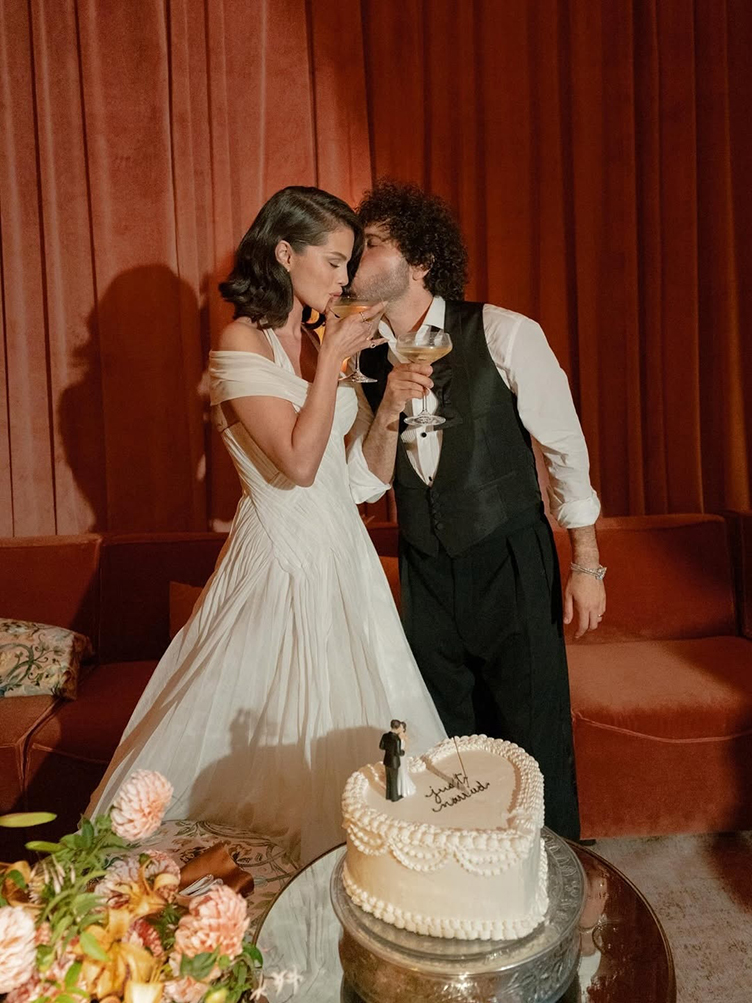
Cover Credits: Instagram @selenagomez

Nitya Ganapathy, Founder...