Reena Katiyar and Aarushi Katiyar
27-Nov-2026
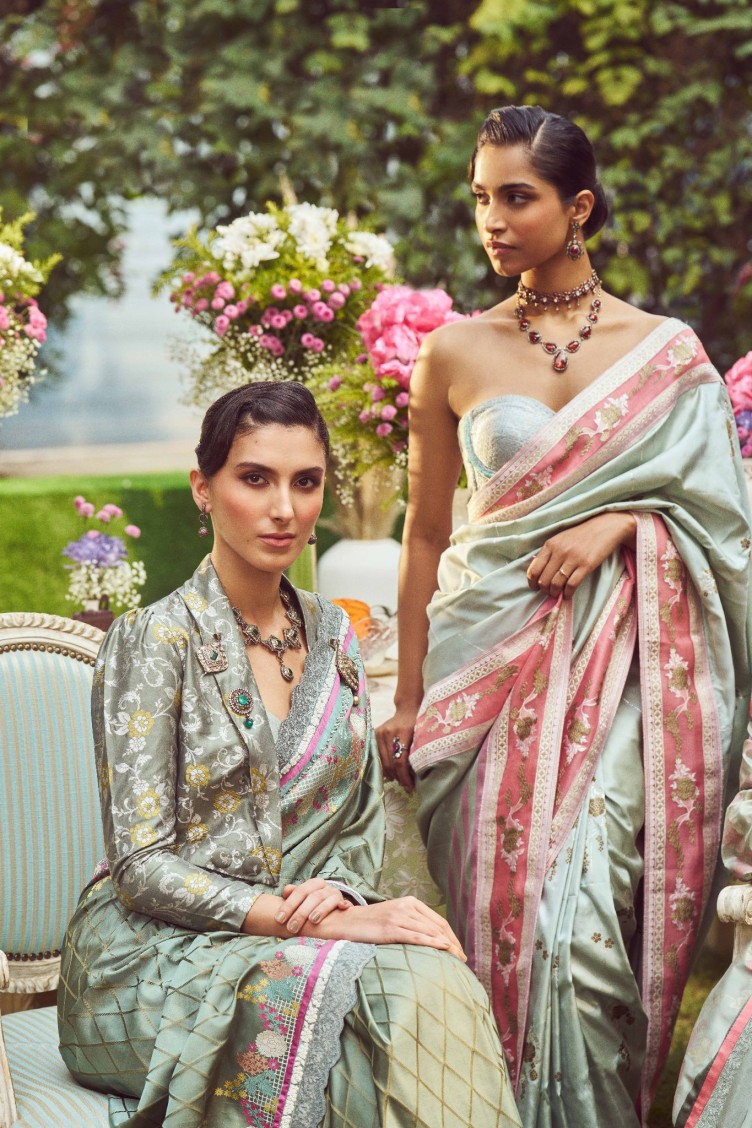
A knowledge led initiative by Kasturi Kundal decodes the weaves, pricing logic, and cultural value behind India’s most iconic handloom craft while reviving endangered weaving traditions.
By Reena Katiyar and Aarushi Katiyar- Co-founders, Kasturi Kundal
The allure of a Banarasi sari is irresistible. Celebrated for its rich silk, intricate motifs, and deep connection with Indian heritage, it remains an indispensable part of trousseau and celebrations. Yet, while the fabric itself is universally admired, the complex techniques, structural varieties, and painstaking labor behind each masterwork remain relatively unfamiliar to the modern consumer.
The Digital Surge and the Challenge of Touch
The digital expansion of Indian textiles has given Banarasi weaves global reach, but it presents a unique challenge: handloom is an inherently tactile craft, traditionally evaluated by feel, weight, and drape.
In an overcrowded digital marketplace, many sellers act merely as middlemen with limited craft knowledge. Driven strictly by profit margins, authentic textiles are frequently diluted. In this environment, finding a trustworthy source that honors the integrity of handwoven art has become increasingly difficult for genuine buyers.
The Powerloom Surge and the Loss of Rare Weaves
The over saturation of powerloom saris has created a deeper crisis than mere market competition. Because machines replicate only what is commercially viable and technically simple, highly specialized, complex handloom techniques are quietly disappearing.
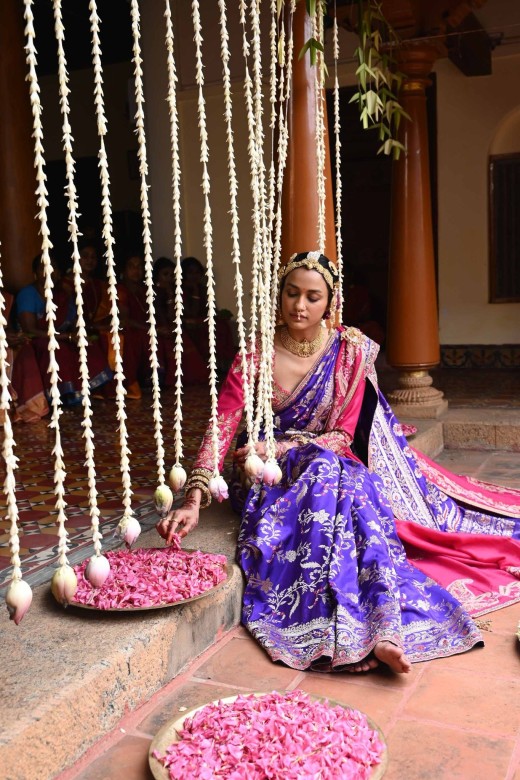
This shift harms both the weaving community and art connoisseurs who view the Banarasi sari as a fine art form. Intricate weave structures that once defined the peak of Banarasi craftsmanship are becoming increasingly scarce.
To counter this loss, Kasturi Kundal is actively reviewing, documenting, and reviving endangered weaving arts—bringing rare, nearly forgotten techniques such as Uchang and Dampach back to life alongside classic forms like Kadhua, Tanchoi, and Cutwork.
The initiative also focuses on educating consumers on price justification. A genuine handwoven Banarasi commands its value through distinct variables: material purity, zari quality, weave complexity, and months of artisan labor on a single loom. Recognizing these details shifts the perspective from viewing a sari as an expensive retail purchase to valuing it as a conscious investment in living heritage.
Preserving Living Heritage
Powerloom technology has a legitimate place in making designs accessible. However, selling machine-made textiles under the guise of handloom goes beyond financial deception. It directly threatens cultural legacy, pushing master artisans away from their looms and endangering centuries of inherited skill.
Empowering Buyers with Transparency and Authenticity: Encouraging buyers to seek government-backed certifications, including the Handloom Mark, Silk Mark, and Geographical Indication (GI) status.
Value & Price Transparency: Helping buyers evaluate textiles based on technique, material purity, and artisan effort rather than arbitrary markups.
An informed buyer and an appreciative collector are the strongest shields a traditional craft can have. By bringing the story, technique, and truth behind each weave to the fore, Kasturi Kundal invites textile lovers to look beyond the surface—and consciously choose authentic art.