Prachita
02-Sep-2026
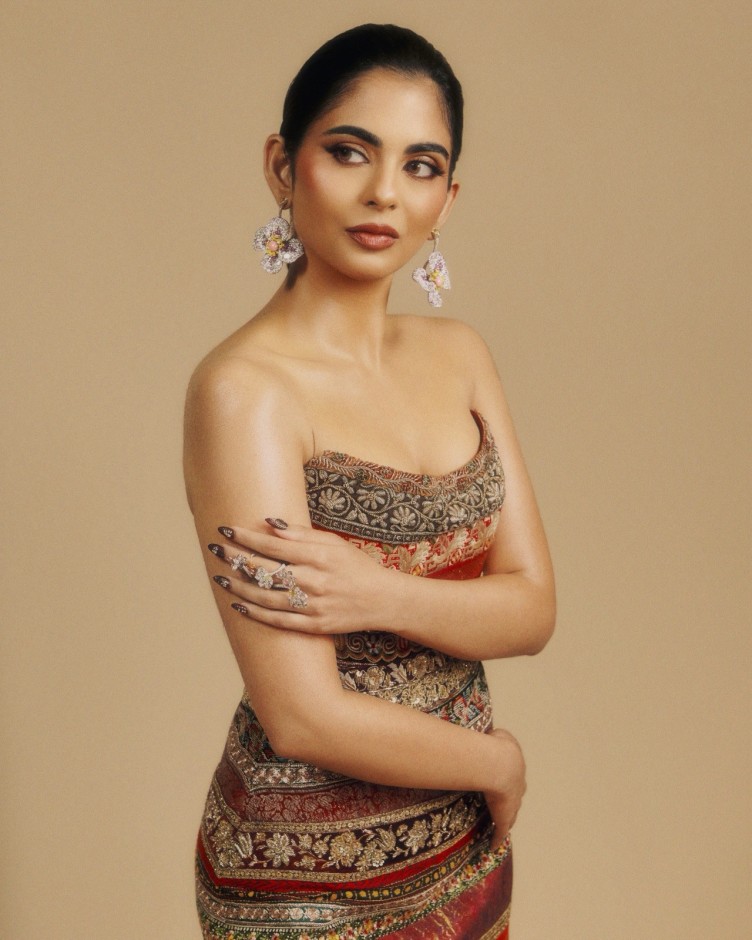
Every time the Ambani family steps out in something new, the world notices.
True luxury is quietly changing. While heritage houses still dominate red carpets and boardrooms, a new wave of collectors is looking elsewhere. They are turning toward founder-led labels, brands where every piece carries an individual’s personal signature rather than a rigid corporate calendar. The Ambani family’s wardrobe choices are a perfect example; donning of these independent designers has made this shift impossible to ignore.
1. Lorenz Bäumer
Lorenz Bäumer feels like nothing else on Place Vendôme. Every other name on that street belongs to a big luxury group but this one doesn't, which means every piece feels a little unpredictable and a little personal instead of mass-produced. The house has a habit of doing things no one else dares to: diamonds engraved like tattoos, jewellery made from real meteorite, even a ring with its own scent. It also designed the diamond tiara Princess Charlene wore at her 2010 royal wedding in Monaco, so it clearly does timeless romance just as well as the unusual. Jeweller Lorenz Bäumer, who once designed for Chanel and Louis Vuitton, founded the house in Paris in 1992, and what he's built since feels less like a catalogue and more like a collection of stories.
2. Robert Wun
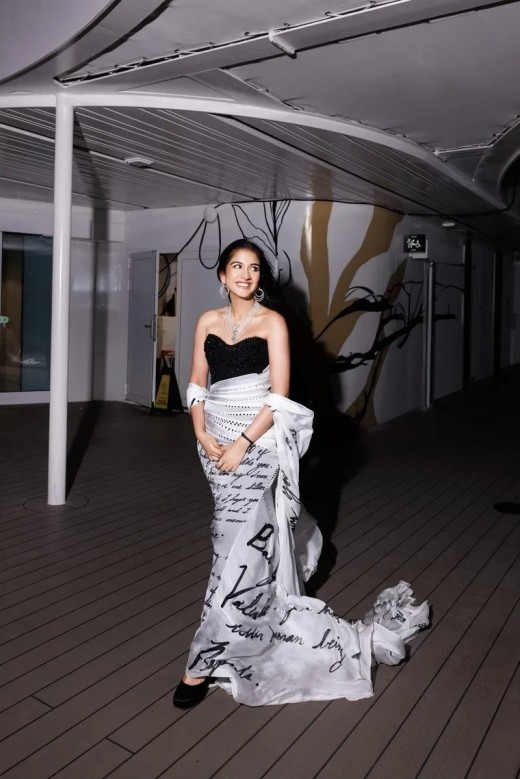
Robert Wun doesn't really make clothes so much as small pieces of theatre. Sculpted shapes, dramatic movement, a sense that each look could be a still from a film it's no surprise the biggest names in music keep coming back: Beyoncé, Adele, Cardi B and Florence Pugh have all worn the label. Founded in London in 2014 by Robert Wun, who was born and raised in Hong Kong, the house made history in January 2023 as the first Hong Kong-founded label to show at Paris Haute Couture Week, closing the event with backing from Chanel's own president of fashion. At the Anant Ambani–Radhika Merchant wedding, the bride wore a custom Robert Wun gown with a private love letter from the groom, embroidered right into the fabric- the sort of quiet, personal detail the label has become known for.
3. Yessayan
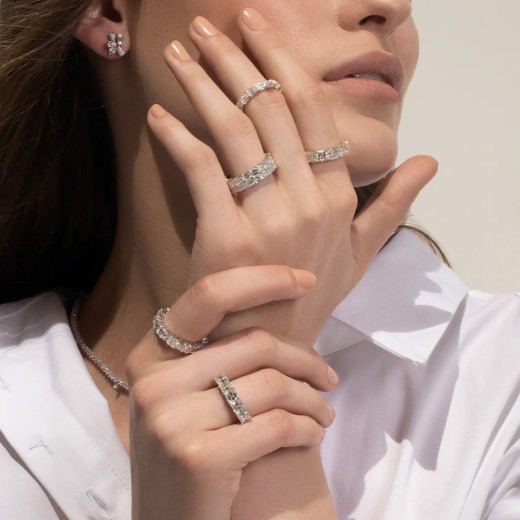
Yessayan is what happens when Middle Eastern richness meets a calmer, more Western sense of design bold enough to turn heads, wearable enough for every day. Brothers Krikor and Haroutioun Yessayan started it in Beirut in 1977 as a small workshop supplying jewellers around the world, and it has since grown into a real retail presence across Lebanon, Saudi Arabia, Kuwait, Egypt and the UAE, including a high jewellery salon inside The Dubai Mall. It's now run by the third generation of the family, and that balance between old and new is probably why it has stayed relevant across so many decades and so many different kinds of clients. It's a brand that feels rooted rather than trendy, built on real gem-trading history rather than a good marketing story.
4. Tamara Ralph
Tamara Ralph is couture in the classic sense structured gowns, dramatic silhouettes, hand-finished detail that takes real time to make. Nothing about it feels rushed. As Ralph & Russo, the label helped write British fashion history, becoming the first British couture house to show at Paris Haute Couture Week in almost a hundred years. When that brand closed, Australian designer Tamara Ralph relaunched under her own name in London in 2023 to a lot of praise, keeping the same devotion to craft intact. Isha Ambani has worn the label more than once, including a red taffeta gown with sculpted rose-gold flowers on the Ambani family's pre-wedding cruise. The house likes to say its pieces are made to be "passed down, each carrying its own history" not worn once and forgotten.
5. Tony Ward
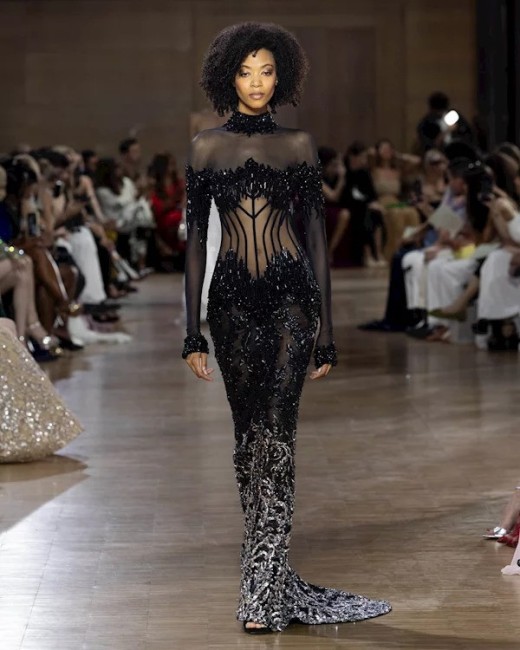
Tony Ward makes evening wear that's built like architecture, precise, structured, deliberate down to the last seam. That's exactly why the label got nicknamed "The Architect of Detail": the gowns look effortless from the outside but are engineered with real skill underneath. Designer Tony Ward launched his own line in Beirut in 1997, building on the couture workshop his father Elie had opened back in 1952, and over the decades it has built a loyal following among royal families and collectors across Europe, Russia and the Gulf, showing first in Rome and later in Paris. What sets the house apart, though, is its resilience the atelier has stayed in Beirut through some genuinely difficult years for Lebanon, which says a lot about how far real craftsmanship can carry a bran
6. 3.10 by GUGGI
3.10 by GUGGI is a good reminder that luxury doesn't need diamonds or a European address to feel special. Founded in Delhi by Namita Batra, known simply as Guggi, the whole brand is built around hand crochet, a slow, detailed craft most of fashion has left behind with every piece made entirely by hand. What makes it genuinely desirable is the story stitched into it: the women making these pieces come from underprivileged Delhi neighbourhoods, and the craft gives them real, lasting income. So every purchase carries two kinds of value: how it looks, and what it changes for someone else. At a time when so much of fashion chases spectacle, this feels like a quieter, more meaningful kind of luxury.
7. Lever Couture
Lever Couture makes clothes that feel more like emotion than fabric. Dramatic, sculptural, built for moments that matter. Founder Lessja Verlingieri, now based in Los Angeles, started the house in 2010 and has kept it deliberately small ever since: just one collection a year, and a preference for reworking fabric offcuts over buying new material, which gives every piece a slower, more considered feel. That intensity has made it a red-carpet favourite. Lady Gaga wore a custom Lever Couture gown in the "Hold My Hand" music video for Top Gun: Maverick, and Milla Jovovich and Anya Taylor Joy are fans too. Its long-awaited Paris Haute Couture debut in July 2025, "Anatomy of Identity," was staged at the Palais de Tokyo with a live ballet performance the moment the label stepped fully into the world of true couture.
8. Steve O Smith
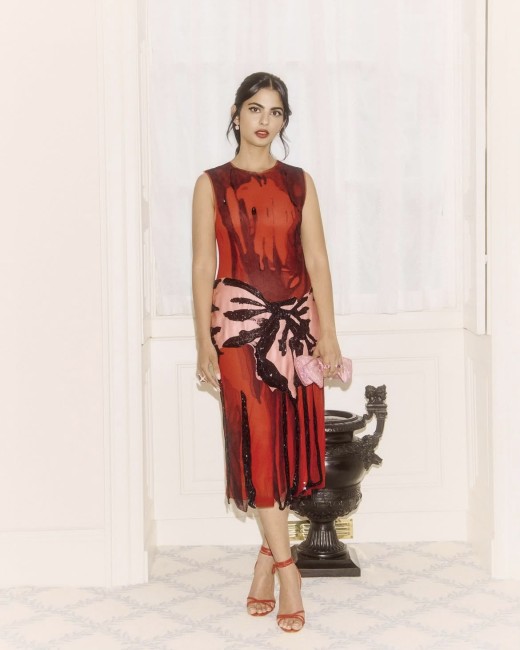
Steve O Smith turns drawing into clothing, quite literally. Every garment starts as a hand-drawn sketch, which is then translated straight into fabric using appliqué, so the result looks less like a dress and more like a piece of wearable art. Nothing feels templated or predictable. Designer Steve O Smith founded the London label in 2022, and that originality has already pulled in serious names: Harry Styles, Cate Blanchett and Eddie Redmayne have all worn it, and in 2025 the label won the Karl Lagerfeld Prize at the LVMH Prize for Young Designers. Isha Ambani wore a custom handbeaded gown from the label to the 2026 Serpentine Summer Party in London, where she was Chair of the Host Committee. It's this kind of made-for-one commission, rather than a mass seasonal drop, that's building the label's name among serious collectors.
9. Cindy Chao
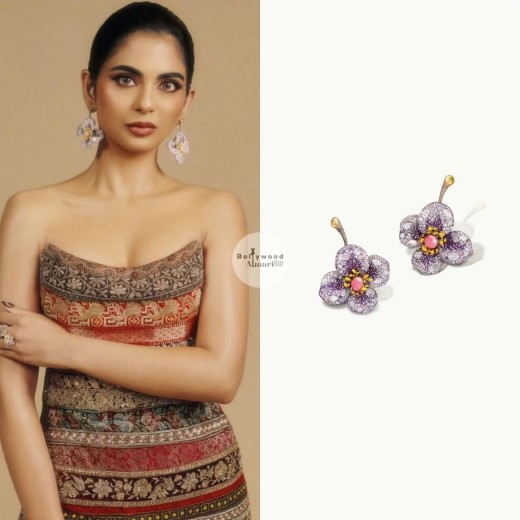
Cindy Chao The Art Jewel doesn't really make accessories, it makes small sculptures you can wear. Taiwanese jewellery artist Cindy Chao founded the house in 2004, working with an old eighteenth-century technique called cire perdue, or lost-wax casting, which gives her jewellery a rounded, organic quality that looks nothing like the flat, symmetrical work most high jewellery houses produce. That distinctiveness is why pieces sit in the permanent collections of the Smithsonian, Paris's Musée des Arts Décoratifs and London's Victoria and Albert Museum. Her annual Butterfly brooch, made just once a year, has become the house's most sought-after signature, and Julia Roberts wore the label's jewellery to present the Best Picture award at the Oscars, a reminder that Asian jewellery houses can command the same reverence long given only to European names.
10. Glenn Spiro
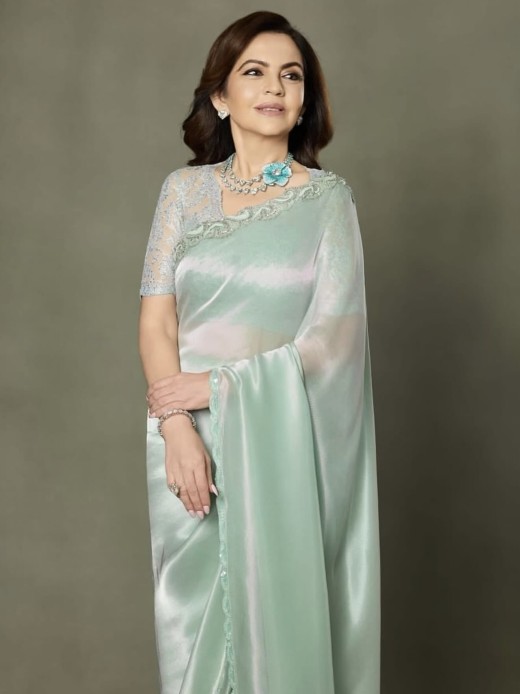
Glenn Spiro, known as G London, makes jewellery built to be worn, not just admired. Its biggest signature is titanium, a material most high jewellery houses avoid, but one that lets the house make pieces that look architecturally bold while feeling surprisingly light on the body. Jeweller Glenn Spiro founded the house in London in 2014, and it now operates from a historic, appointment-only salon in Mayfair, which keeps it feeling private rather than a storefront brand. That combination of drama and wearability is a big part of why serious collectors and public figures, including Jay-Z, keep coming back. At the 2026 Serpentine Summer Party, Isha Ambani paired her gown with Glenn Spiro jewels, including a 28.44-carat rubellite ring and a 14.4- carat tourmaline ring, bringing fresh attention in India to a name long admired within London's more private collecting circles.
India's idea of luxury is changing. It's no longer just about the big European names everyone already knows. As the Ambani family's choices show, there's real space now for independent designers and jewellers, the kind who build their name on genuine craft, not just recognition or a famous logo. That shift is only going to grow from here.
Cover Credits: @anaitashroffadajania