Rajat Aggarwal
24-Aug-2026
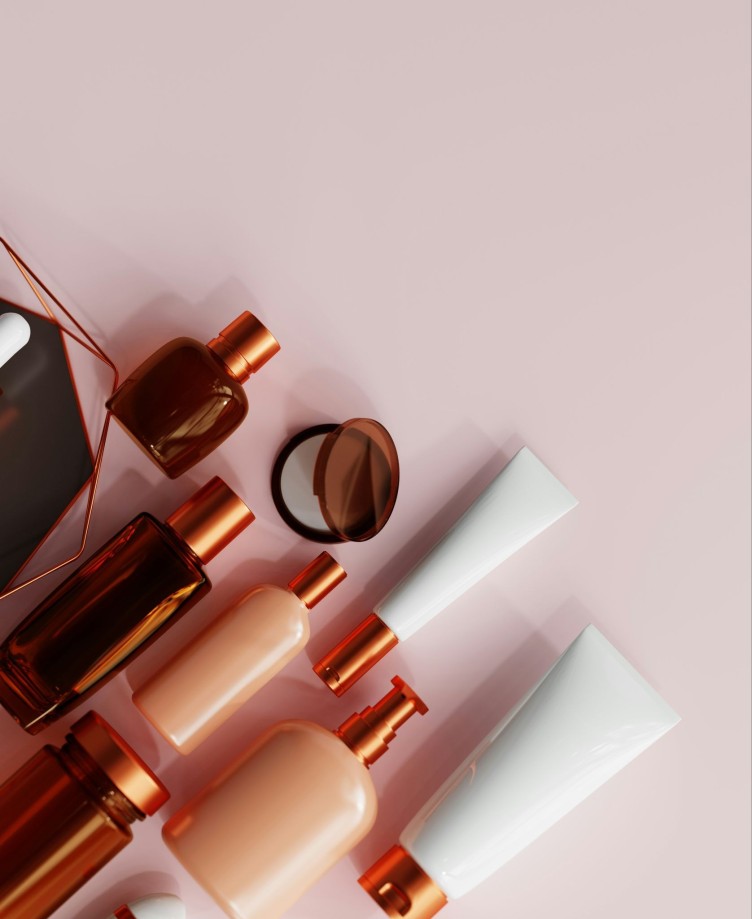
Social media may still drive discovery, but informed consumers are looking beyond the buzz to understand what goes into the products they use.
By Rajat Aggarwal, CEO, Future Makeup India Pvt. Ltd., distributor of Daily Life Forever52 in India
Not very long ago, a viral reel or a celebrity endorsement could turn a beauty product into an instant bestseller. Social media has transformed the industry by making trends more accessible than ever before. A look created in Seoul or New York could influence buying decisions in India within days, sometimes even hours.
That hasn't changed. Social media continues to shape discovery and inspire consumers to experiment with new products and techniques. What has changed is what happens after that first moment of excitement.
Moving Towards Thoughtful Consumption
Consumers today don't buy a product simply because it's trending. They pause, research, and ask questions. They want to know what's inside the formula, whether the ingredients actually serve a purpose, and if the product will work for their skin and lifestyle. In many ways, the buying journey has become more thoughtful.
Consumers are no longer satisfied with broad promises. They want specifics. They'll watch multiple reviews before making a purchase, compare ingredient lists across brands, and look for wear tests in real-life conditions instead of relying only on highly edited content. Whether it's a foundation, a primer, or a setting spray, people want to know how it performs through a busy workday, in humid weather, or on different skin types.
That's a healthy shift for the industry because it pushes brands to focus on product quality as much as marketing.
Beauty conversations have also become far more ingredient-led than they were a few years ago. Terms like niacinamide, peptides, ceramides, and hyaluronic acid are now familiar to many consumers. But awareness alone isn't what stands out. What's interesting is the kind of questions people are asking. Instead of being impressed by an ingredient mentioned in the packaging, they're trying to understand why it's there, what role it plays in the formulation, and whether it adds value.
For brands, this means education has become just as important as communication. Consumers don't expect a chemistry lesson, but they do expect clarity. They want brands to explain products in a way that's simple, honest, and useful.
What it Means for the Makeup Industry
We're seeing the same shift in makeup preferences as well. Increasingly, consumers are looking for products that combine performance with skincare benefits. They expect makeup to feel comfortable on the skin, last through long days, and include ingredients that support skin health. In a market like India, where heat, humidity and pollution can significantly affect how makeup wears, those expectations become even more relevant.
At Forever52 India, conversations with professional makeup artists often mirror the questions we hear from everyday consumers. They want to know about texture, longevity, skin compatibility, and formulation before they decide whether a product is right for them. Things tell us consumers are becoming more informed, regardless of whether they use makeup professionally or personally.

Image Credits: Unsplash
At the same time, brands have to be careful not to turn science into another marketing buzzword. Simply highlighting a trending ingredient doesn't automatically make a product effective. The overall formulation, the way ingredients work together, and the experience the product delivers are what ultimately matter. Transparency is becoming just as important as innovation, and consumers appreciate brands that communicate honestly about what a product can and cannot do.
The Changing Environment for Content Creators
This change is also influencing the creator's economy. Consumers still enjoy engaging beauty content, but they are increasingly drawn to creators who explain products, demonstrate them in everyday situations, and share balanced opinions instead of making exaggerated claims. Authenticity builds confidence, and confidence builds credibility.
For brands, that means choosing the right voices is becoming more important than simply choosing the biggest ones. Reach certainly matters, but so does expertise, trust, and the ability to educate an audience.
Building Consumer Relationships
Launching a product has never been easier than it is today. Building long-term trust, however, is much harder. That doesn't happen because a campaign performs well or because a product trends for a week. It happens when consumers use the product, enjoy the experience, and come back to buy it again. Repeat purchases, genuine reviews, and word-of-mouth recommendations remain the strongest indicators that a brand has earned consumer confidence.
I don't believe the future of beauty is about choosing between creativity and science. The most successful brands will embrace both. Consumers will continue to discover products through social media because that's where inspiration lives. But lasting relationships will be built through transparency, thoughtful formulations and products that consistently deliver on their promises.
The beauty industry has always evolved alongside its consumers. Today, consumers are simply asking brands to be more informed, more responsible, and more honest. That's not a challenge—it's an opportunity to build stronger products and stronger relationships for the long term.
Cover Credit: Photo by pmv chamara on Unsplash