Dr. Chytra V. Anand
26-Sep-2026

Skin health is not subjected to any trends.
Dr. Chytra V. Anand | Co-founder SKINQ
There is always some new skincare trend that the industry presents to us every few weeks. A new ingredient gains popularity on social media, a 10-step skincare regime is recommended to everyone, or a specific procedure is proclaimed a saviour for all kinds of skin issues. With such a rapid flow of information in the field, there is a tendency to mix the most trending beauty tips with those that are beneficial for our skin.
However, skin health is not subjected to any trends.
Being a dynamic and living organ, skin has certain needs that change depending on our age, environment, hormonal state, lifestyle, medication intake, the products that we use and so many other factors. Therefore, it is not always useful to follow every popular skincare tip on the internet.
First of all, we need to distinguish between beauty tips and skin health maintenance. While the former is usually based on the principle of visibility, novelty and immediate effects, the latter implies keeping the skin healthy and able to fulfill its natural functions.
This issue becomes especially important in the case of India due to high amounts of UV radiation, heat, humidity, pollution and various environmental factors. At the same time, Indian skin can be more prone to concerns such as pigmentation and post-inflammatory hyperpigmentation. A routine that ignores these realities simply because it is popular elsewhere may not be the most appropriate approach.
More products do not necessarily mean better skin
One of the most prevalent beliefs in current skincare is that a good routine has to be a complex one. From cleansers and toners to essences, multiple serums, exfoliants, masks and other treatments, you might end up with a complicated routine very fast.
However, skin will not appreciate complexity or judge effectiveness according to how many steps you incorporate into your routine. Actually, adding too many different active ingredients in your skincare can make it hard for you to determine which product helps you and which causes irritation. Too much exfoliation, constant switching of products and the use of several strong active ingredients at once may harm the skin barrier making it sensitive, dry or even prone to breakouts.
Therefore, a more relevant question would be “What do I really need?”
The skin barrier deserves more attention
A skin barrier is key to having healthy skin. It retains moisture and protects the skin against external irritants. The moment the barrier is compromised, products that have been used successfully before start stinging.
This is why skin care should go beyond the quest for overnight change.
Healthy skin does not always have to be poreless, completely smooth, and non-pigmented skin. Healthy skin has pores, wrinkles, variations in color, and texture. It is important to maintain healthy skin functionality while targeting certain problems.
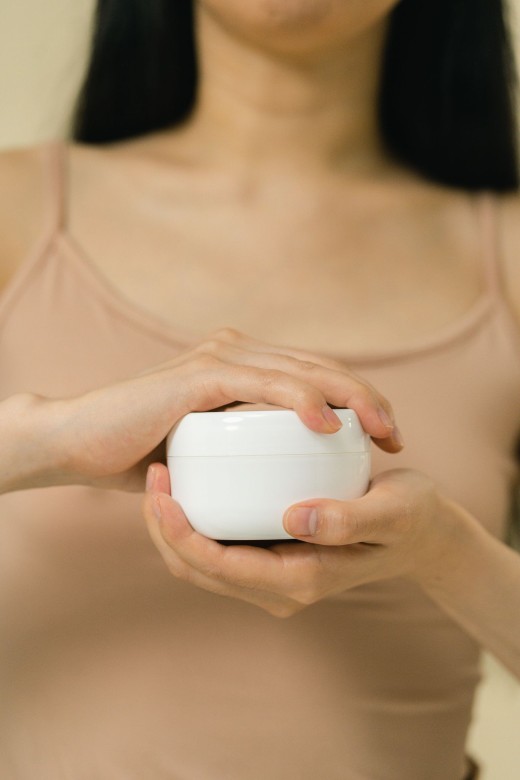
This will require using less number of products and applying them regularly.
Credits: Pexels
Not every viral ingredient belongs in every routine
Ingredients are often presented online as if they have universal benefits. But an ingredient’s effectiveness depends on factors such as its concentration, formulation, frequency of use and the individual’s skin condition.
Take exfoliating acids, retinoids or other potent actives. These ingredients can have legitimate dermatological uses, but more frequent application does not automatically translate into better results.
The right formulation and the right frequency matter.
Similarly, a product labelled as “natural” is not automatically safer, just as a scientifically developed ingredient is not automatically unsuitable. What matters is evidence, formulation, appropriate use and individual tolerance.
This is why skincare should move away from the idea of a single “miracle ingredient”.
Social media can inspire us, but it should not diagnose us
There is value in the democratisation of skincare information. People today have greater access to dermatologists, scientific content and product information than ever before. But the same platforms can also blur the line between education, personal experience and medical advice.
A creator sharing what worked for their acne, pigmentation or sensitive skin is sharing an experience not necessarily a universal prescription. Before adopting a trend, it is worth asking a few basic questions: What concern am I trying to address? What is my skin type? Is there credible evidence supporting the approach? Could this irritate my skin? Am I introducing multiple new products simultaneously? And, importantly, do I actually need it?
For persistent, painful or worsening skin concerns, professional advice remains more appropriate than repeatedly experimenting with viral recommendations.

Credits: Unsplash
The future of skincare may be more personalised, not more complicated
Perhaps the most important shift here is to move from trend-driven skincare to need-driven skincare. Consumers do not have to ask what the current popular regime is, but instead figure out what their skin needs and tailor the routine according to those needs. The basic skin routine including cleansing, moisturizing and appropriate sun protection may be enough for many people, while special products will be included in case of some specific need.
Personalisation does not always mean having more products; it means having products which fit your skin specifically.
There are also increasing prospects for use of technology in this process. Tools for digital skin assessment can help people get familiar with their skin and its visible problems, and if used properly and in combination with professional recommendations, they can contribute to making the skincare routine more personal and informed. Nevertheless, technology should complement, rather than substitute the opinion of a professional dermatologist in case it is needed.
Follow principles, not every trend
Beauty trends will continue to evolve. Today’s must-have ingredient will eventually make room for tomorrow’s breakthrough. That is not necessarily a problem. Innovation and experimentation are part of a healthy beauty industry.
The problem begins when novelty becomes more important than necessity.
Good skincare does not have to be complicated, expensive or constantly changing. It needs to be appropriate, consistent and grounded in the right understanding of the skin. So, the next time a skincare trend appears on your feed, perhaps the most important question is not “Should I try this?” but “Does my skin need this?”
Because trends may change every season. Healthy skin is a long-term commitment.
Cover Credits: Unsplash