Supreet Kaur
06-Jul-2026
The wellness economy is booming worldwide, and countries are investing billions to make health, longevity and wellbeing part of everyday life.
Wellness now surpasses all other mega-industries, be it entertainment, sports, or tourism. According to a report, the global wellness economy is valued at approximately $7.42 trillion in 2026 and is projected to reach $10.36 trillion by 2030. Countries are realising the potential of wellness, and with greater education and awareness, they are making significant efforts to work towards the importance of longevity and a healthy lifestyle. Countries are going far beyond luxury wellness retreats and short wellness programmes to ensure citizens’ health through policies, longevity programmes, technology, wellness hospitality, and more.
Here is a list of the top 10 countries that are making a remarkable impact in the wellness industry—ones you definitely don’t want to miss.
1. Singapore
(Image credits - Global Wellness Institute)
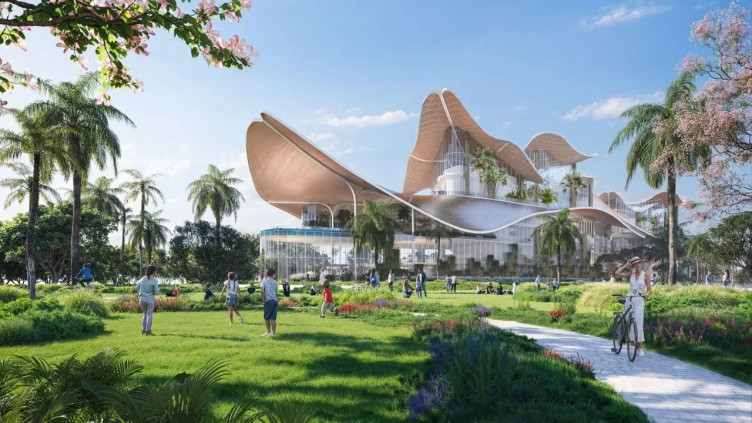
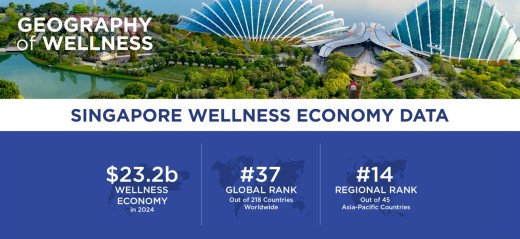
Singapore is strengthening its position as a leading wellness destination through strong government support and large-scale investments in wellbeing infrastructure. According to the Global Wellness Institute and the Singapore Tourism Board (STB), the country’s wellness economy has reached US$23.2 billion, with residents spending an average of US$3,845 per capita on wellness—over eight times the Asian regional average. Reflecting this focus, Therme Group has broken ground on Therme Singapore, Asia’s first integrated urban wellbeing destination, set to open in 2030 at Marina South. Developed in partnership with local stakeholders, the project combines wellness, sustainability, tourism and urban planning through thermal pools, green landscapes, public parks and advanced eco-friendly technologies. The development is also expected to create around 400 jobs and support skills training partnerships with educational institutions, aligning with Singapore’s long-term vision for holistic urban wellbeing.
2. UAE
(Image credits – VisitDubai.com)
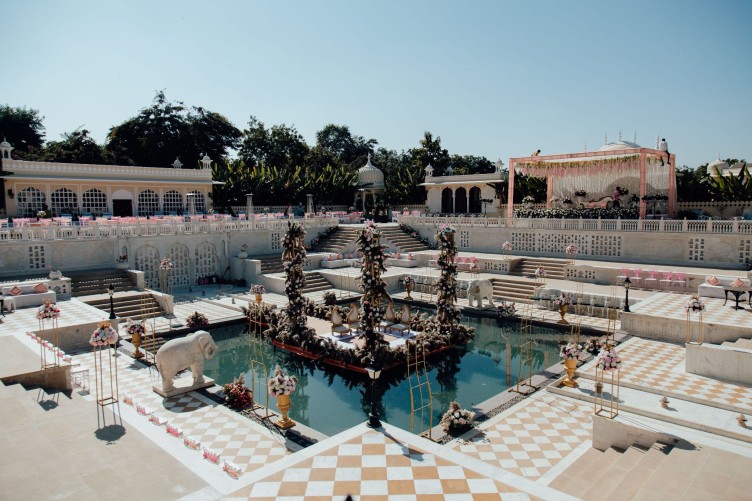
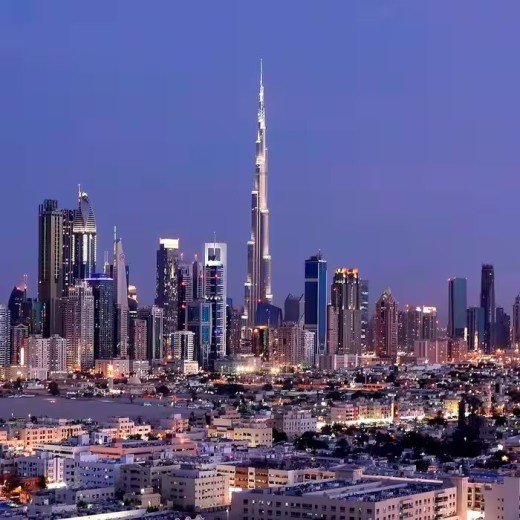
In the UAE, Dubai is going far beyond spas and wellness retreats to expand its healthcare and wellness sector. The city is soon to open a 22-million-sq-ft wellness-focused hub—Dubai Healthcare City Phase 2. Representing an investment of over AED 5.4 billion, the mega-development is designed to drive global trends in preventive care, sports medicine, and sustainable urban living. Additionally, the government has issued Law No. (17) of 2026, establishing the Dubai Longevity Authority (DLA), a new entity that aims to develop the emirate into the world's leading hub for regulated longevity, wellness, and advanced healthcare offerings, while attracting global investment. The city is also buzzing with high-profile projects like Creek Views and Asan Medical Center. Further, in the capital city of Abu Dhabi, the world's first "healthy living island", integrating AI-driven wellness solutions, SHA Emirates, along with Kintsugi Space, the region's first women-only holistic wellness club, is taking wellness to new heights and opening up new possibilities.
3. Saudi Arabia
(Image credits: AMAALA, the Red Sea)
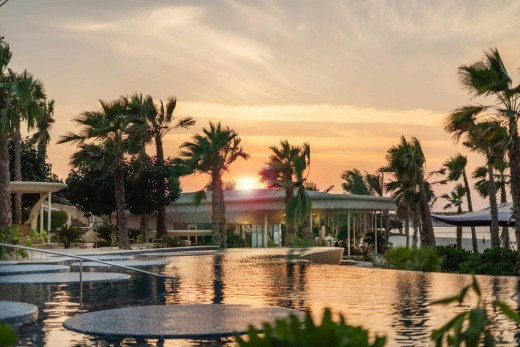
Saudi Arabia is rapidly emerging as a global hub for luxury and wellness tourism, making the sector a core pillar of its Vision 2030 economic diversification agenda. In 2024, tourism contributed SAR494.62 billion (12.45% of GDP), up from 5.3% in 2022, with an aim to reach 150 million visitors by 2030, signalling a shift toward immersive, high-value experiences. At the heart of this vision is AMAALA, the Red Sea. Legally zoned as an ultra-luxury wellness destination, it will feature 29 hotels and 1,200 luxury residences, along with sports and art facilities, yacht marinas, and extensive marine conservation areas. The zone operates under distinct, highly investor-friendly legal structures designed to attract top-tier global wellness conglomerates and wealthy medical tourists.
4. Korea
(Image credits: Korea Tourism Organisation)
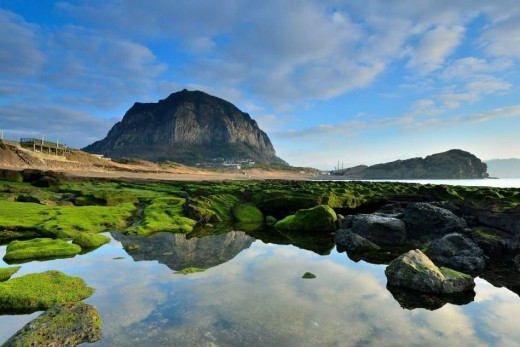
South Korea has significantly entered the wellness market with the Jeju Healthcare Town, located on Jeju Island. The government-backed wellness and medical tourism complex spreads across 1.54 million square metres with investments estimated at 1.56 trillion won. The project integrates hospitals, wellness resorts, anti-ageing research, rehabilitation facilities and healing tourism infrastructure along with the island’s natural volcanic water resources, specialised bio-research facilities, thalassotherapy centres, and restorative forest-bathing infrastructure. Jeju Island also offers the world’s largest botanical garden, Bunjae Artpia, along with the country’s tallest mountain, Hallasan. Jeju is also planning a marine healing centre using lava, seawater and coastal therapies. Additionally, the government has actively promoted wellness tourism through initiatives such as the 2026 Healing Tourism Industry Act, which supports certified wellness destinations, and regional healing zones like Busan, Daegu and Gangwon Provinces.
5. Germany
(Image Credits: iStock)
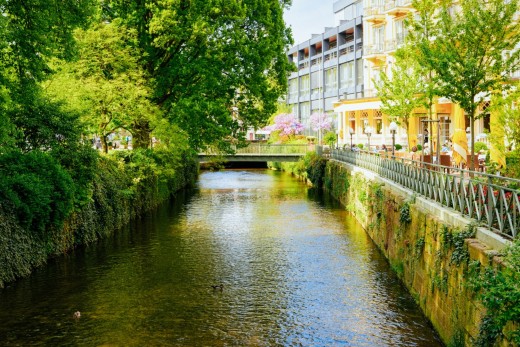
At the centre of Germany’s wellness model are its officially recognised “Heilbäder” and ""Kurorte"—therapeutic spa towns and health resorts that operate under strict state-regulated health and environmental standards. According to the German Federal Ministry for Economic Affairs and Energy (BMWE), Germany has more than 350 officially designated spa towns and health resorts, making them the core of the country’s health tourism sector. Among the country’s most prominent wellness centres is Baden-Baden, internationally recognised for its thermal baths, hydrotherapy traditions and luxury medical wellness resorts. Other major wellness destinations include Wiesbaden, Bad Kissingen, Bad Wörishofen and Bad Füssing, many of which integrate rehabilitation clinics, thermal therapy centres and preventive medicine programmes. Germany’s wellness strategy also emphasises nature-based healing and preventive medicine. Forest walking trails, cycling networks, clean-air resorts, hydrotherapy programmes and climate-health destinations are embedded into the country’s wellness culture.
6. India
(Image Credits: iStock)
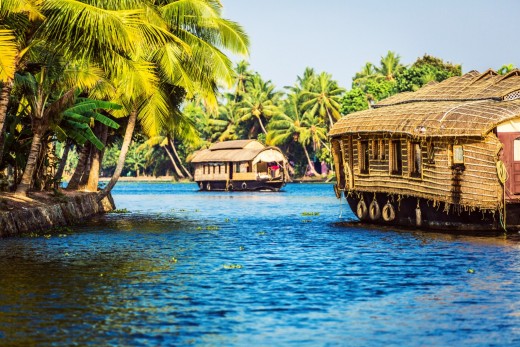
India is focusing on wellness by introducing the National AYUSH Mission (NAM), which promotes medical services and educational services and facilitates quality control of Ayurveda, Siddha, Unani, and homoeopathy. India is also on its way to digitising its healthcare sector through the Ayushman Bharat Digital Mission, which aims to strengthen the country’s digital health infrastructure by providing every citizen with an ABHA number. This will allow people to access various healthcare providers, consultations, diagnoses, and lab reports seamlessly and efficiently.
7. Indonesia

(Image credits: The Sanur)
According to a recent report by the Global Wellness Institute, Indonesia’s wellness economy is valued at approximately $56 billion, driven largely by its globally renowned Balinese spas and nature-based healing traditions. A major contributor to this growth is Sanur, Indonesia’s first Special Economic Zone dedicated to health and wellness tourism. The state-backed economic zone offers numerous facilities to ensure wellbeing, including Bali International Hospital and world-class clinics like The Solitare, which offers medical aesthetics, and Alster Lake Clinic, which specialises in longevity and vitality through global expertise. The scope extends beyond this, with an ethnobotanical garden, transformative spas, meeting rooms, luxury beach-view accommodations, and a convention centre where you can even plan your dream wedding.
8. Finland
(Image credits: Visit Kouvola)
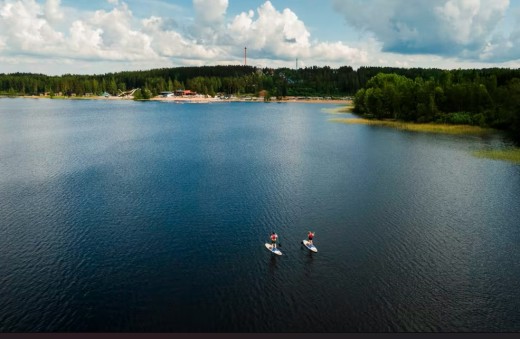
Finland was way ahead of its time when it comes to wellness. The country, back in 2014 and 2016, introduced its Health Forest method, and as of 2026, Finland has developed several health forests, including the Helsinki project and Kouvola Health Forest, a health forest opened in 2023 and situated around wellness centres. The vision is to support nature-based healing and encourage people to experience it directly. The programme includes various activities such as nature walks, breathing exercises, sensory awareness exercises, and much more.
In 2026, Finland also launched the national “Health from Nature” programme, a long-term initiative supported by organisations including Sitra, the Finnish Institute for Health and Welfare (THL) and Metsähallitus, aimed at integrating nature exposure into healthcare, urban planning, schools and workplaces. Beyond public health initiatives, the country is investing heavily in sustainable wellness tourism through its lake districts, Arctic wellness experiences and globally recognised sauna culture. Cities such as Tampere, named the European Capital of Smart Tourism 2026, are promoting eco-conscious wellness travel centred around public saunas, nature access and low-impact tourism infrastructure.
9. The USA

(Image Credits: iStock)
The United States continues to play a major role in the global wellness economy through advances in longevity science, digital healthcare, wellness real estate and preventive health innovation. The National Institute on Ageing (NIA) is on a mission to understand the nature of ageing, the ageing process, and the diseases and conditions associated with it, even before they are diagnosed, through biomarker research and advanced diagnostics. Additionally, there are various private healthcare technology companies like Tempo, Omada Health, Virta Health, and Function Health which help doctors analyse patient health more accurately through electronic health records (EHRs) and lab results. The US has also witnessed rapid growth in wellness-orientated real estate. Developments such as Lake Nona in Orlando, often described as a “living lab” for health and wellbeing, integrate healthcare, technology, fitness, green spaces and wellness programming into urban planning. The country is also embracing longevity-inspired community models based on the globally recognised Blue Zones philosophy. In parallel, wellness tourism destinations such as Sedona, Aspen and Ojai continue to attract global travellers seeking holistic healing, mindfulness retreats and nature-led wellness experiences.
10. Norway
(Image Credits: Unsplash)
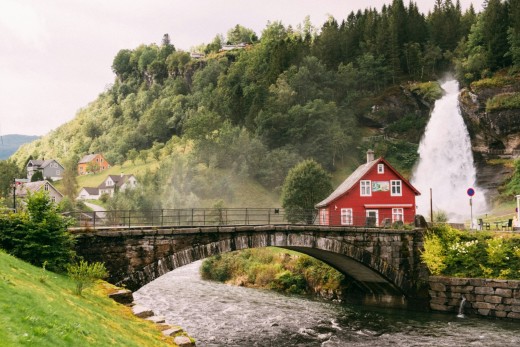
Norway is redefining wellness by making nature its central pillar. Instead of focusing on luxurious wellness resorts, its approach is very different, introducing the concept of Friluftsliv—literally meaning “free-air life”—which encourages people to spend more time outdoors regardless of the weather. Another key healthcare philosophy is green prescriptions, where doctors encourage physical activity and time in nature to help manage chronic diseases, stress, and mental health. Moreover, much of Norway’s architecture is nature-inspired, featuring wooden construction, walking trails, and outdoor recreation spaces, ensuring that wellness is embedded in natural surroundings.
Cover Credits: Therme Singapore and DP Architects

Dr. Blossom Kochhar