Shruti Maheswari Baid
26-Sep-2026
One is celebrated for its protein; the other has been a staple of Indian kitchens for generations. But the debate isn’t quite that simple.
Walk into any premium grocer in India and you'll see it: a wall of Greek yogurt in glossy tubs, priced like a luxury, and promising protein in every spoonful. Meanwhile, the humble bowl of home-set dahi that has nourished this subcontinent for millennia sits quietly in the fridge, unbranded and unbothered. So, let’s ask a question that the marketing team won't: "Is Greek yogurt actually better, or have we been sold our own tradition back at four times the price?"
What is Greek Yogurt?
Greek yogurt is simply yogurt strained to remove the watery whey, which concentrates the protein to around 9 to 10g per 100g, versus roughly 3 to 4g in the same amount of regular dahi. Both are cultured and alive when made well.
Variegated Advantages
Straining is what gives Greek yogurt its protein advantage, and that advantage is real. Protein-per-spoon, though, is a narrow lens, and it's where most articles stop. A yogurt is only as good as the milk it's made from, and here India holds an edge. Much of our traditional dairy comes from the A2 milk of indigenous breeds like Gir cows, whereas most industrial dairy is A1. The research is still maturing, but A2 appears to be gentler on digestion and producing less of the inflammatory peptide linked to bloating many feel with conventional dairy. If dairy has ever disagreed with you, the culprit may be the cow, not the yogurt. Most commercial Greek yogurt is made from A1 milk of unknown provenance, often with reduced fat, then thickened to fake the richness it lost.
Here, the conversation stops being about protein and starts being about metabolic health. Chronic low-grade inflammation sits underneath nearly every modern disease, from insulin resistance to heart disease, and your gut is central to all of it. A living, diverse culture from clean milk feeds the microbiome that keeps that inflammation quiet. But a sweetened, single-strained, packaged yogurt feeds the problem instead. If it has a six-week shelf life and a flavour that doesn't exist in nature, that's marketing dressed up as gut health. That strawberry Greek yogurt can carry more sugar than a biscuit.
Bridging the Two
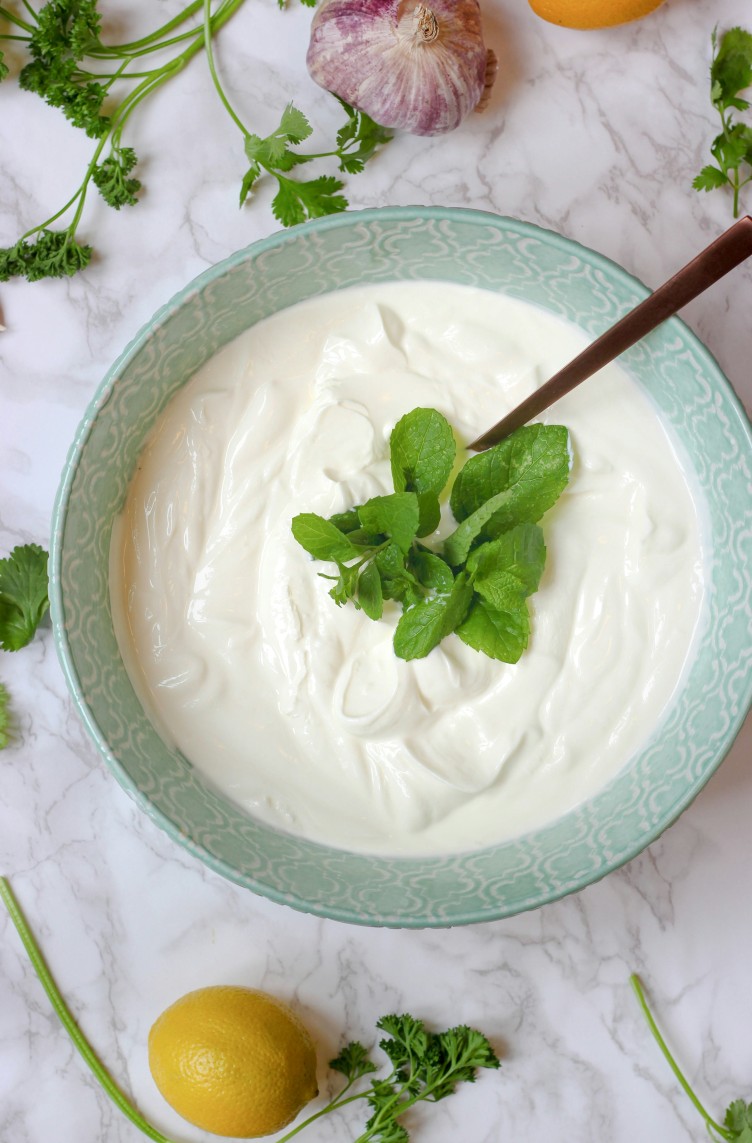
The answer to this dilemma isn't either/or. Make Greek-style dahi at home, and you get the best of both worlds. Set your dahi overnight from good A2 milk, then hang it in a muslin cloth for an hour. You've strained out the whey, pushed the protein toward those Greek-yogurt numbers, and kept the live cultures, traceable milk, intact fats, and zero preservatives or added sugar. You get real milk, protein, and probiotics at a fraction of the price, with an added bonus: the whey you strain off is protein-rich too, so you can use it in your dough or smoothies.
Forget the marketing propaganda: the best high-protein, anti-inflammatory yogurt in the country has been set quietly in your kitchen all along. You just had to hang it in a cloth.
Cover Credits: Unsplash