Prachi Mandholia
21-Oct-2026
What if eating for a longer, healthier life had less to do with finding the next “superfood” and more to do with simply enjoying good food, regularly?
By Prachi Mandholia, Clinical Nutritionist
When we talk about longevity, it is easy to get caught up in complicated diets, supplements, fasting schedules, and lists of foods we are told we absolutely must eat. But nutrition science tells a much simpler story. There is no single food that can make us live longer, and there is no perfect longevity diet. What matters most is the overall pattern of how we eat, consistently, over many years.
Eating for longevity does not have to feel restrictive or clinical. It can be colourful, satisfying, culturally diverse, and genuinely enjoyable.
Start With Plants
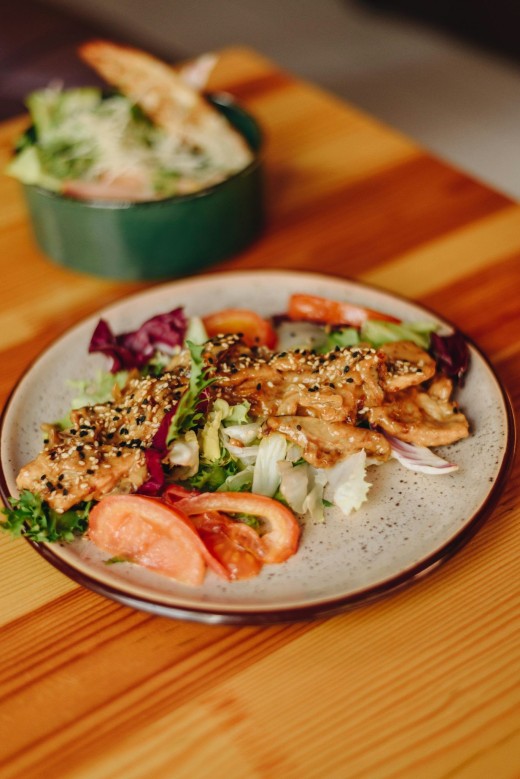
If there is one theme that keeps appearing in research on healthy ageing, it is the importance of eating more plant foods.
Vegetables, fruits, beans, lentils, whole grains, nuts, and seeds provide fibre, vitamins, minerals, healthy fats, and a variety of beneficial plant compounds. They also bring something else to the table: variety.
Think about a meal with roasted vegetables, lentils, whole grains, fresh herbs, and a little olive oil. Or a bowl of oats topped with fruit, nuts, and seeds. These are not “longevity foods” in the fashionable sense. They are simply nutrient-rich foods that can become part of a healthy everyday diet.
And the beauty is that there is no single cultural template. A Mediterranean-style diet might feature olive oil, beans, vegetables, and fish, while traditional Asian, Middle Eastern, African, or Latin American cuisines offer their own wonderful combinations of plants, grains, legumes, and healthy proteins.
Don’t Forget Fibre
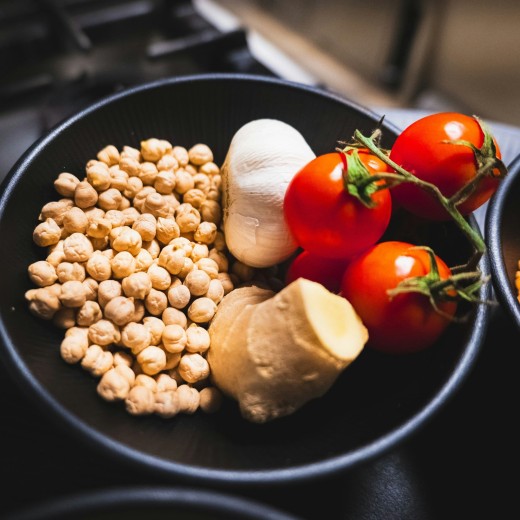
Fibre may not have the glamour of a trendy supplement, but it is one of the real stars of a healthy meal.
Found in foods such as vegetables, fruits, lentils, chickpeas, oats, whole grains, nuts, and seeds, fibre supports digestion and helps with blood sugar and cholesterol regulation. It also interacts with the trillions of microorganisms living in our gut, making it an important part of the conversation around gut health.
A simple way to get more is to make small swaps. Choose whole grains more often, add beans or lentils to meals, keep fruit visible and within reach, and aim to put vegetables on the plate at most meals.
Protein Becomes Especially Important With Age
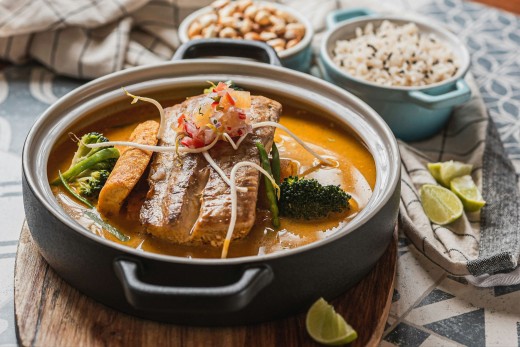
Longevity is not just about avoiding illness. It is also about being able to move, travel, play, work, and enjoy life as we get older.
That is where protein comes in. Maintaining muscle strength becomes increasingly important with age, and getting enough protein, alongside regular resistance or strength-based exercise can support healthy ageing.
There are plenty of options: beans and lentils, tofu, yoghurt, eggs, quinoa, and other protein-rich foods. How much an individual needs depends on factors such as age, body size, activity level, and health, so there is no universal number that works for everyone.
The takeaway is simple: make protein a part of every meal.
It’s Not About Banning Processed Foods
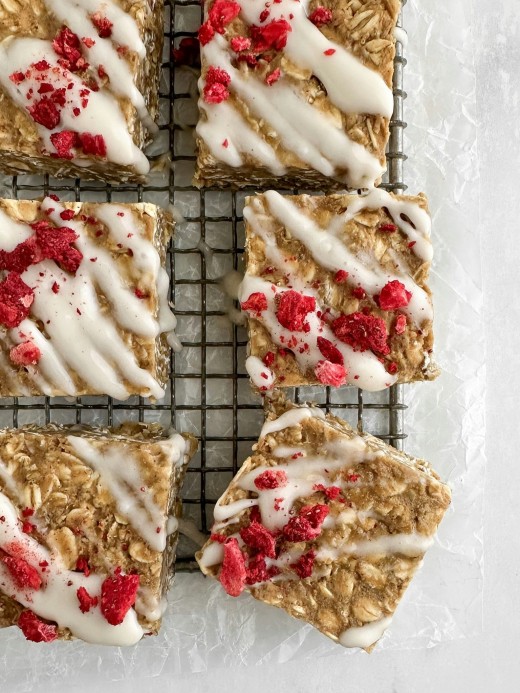
“Processed” has become something of a bad word in wellness conversations, but it is worth being more nuanced.
The concern is when highly processed foods particularly those high in added sugars, excess sodium, and refined ingredients regularly take the place of more nutritious choices.
So rather than thinking in terms of “good” and “bad” foods, think about frequency. A sugary drink or dessert can be part of life. The question is whether these foods dominate the everyday or simply sit alongside an otherwise nourishing pattern.
Healthy Fats Still Matter
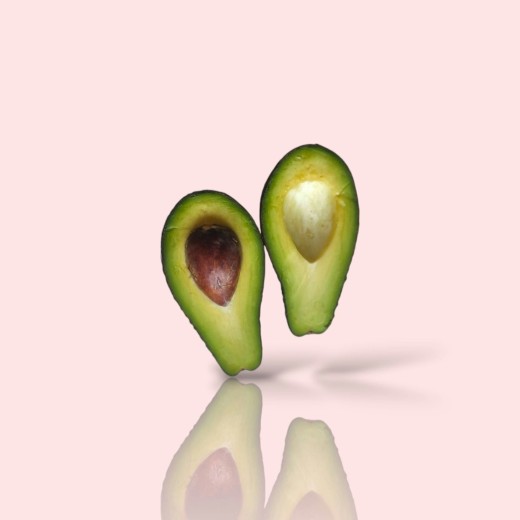
Fat is not the enemy either. Our bodies need it.
The focus should be on choosing more unsaturated fats, found in foods such as nuts, seeds, avocados, olives, and many types of fish. These can be incorporated naturally into meals without turning eating into a mathematical exercise.
And then there is hydration. Water remains one of the simplest ways to support everyday wellbeing, although individual needs vary depending on factors such as climate, activity, age, and health.
Perhaps the Most Important Ingredient: Enjoyment
There is another part of healthy eating that sometimes gets lost in the science: Pleasure.
Food is culture. It is family, celebration, travel, memory, and connection. A sustainable approach to longevity should make room for all of that.
You do not need to eat perfectly at every meal. You do not need to eliminate every favourite food. And you certainly do not need to follow every new wellness trend that appears on your feed.
Instead, think about the bigger picture - Are you choosing balanced meals consistently and limiting the processed meals?
Over time, these everyday choices can add up.
Ultimately, eating for longevity is not about finding a miracle ingredient. It is about creating a way of eating that supports energy, strength, health, and enjoyment for years to come.
And perhaps that is the most refreshing idea of all: longevity is not a trend. It is a lifestyle and having a good relationship with food can be one of its greatest pleasures.
All image credits: Unsplash