Lubaina Sheerazi, Co-founder, The Gypsy Travel Network
06-Feb-2026
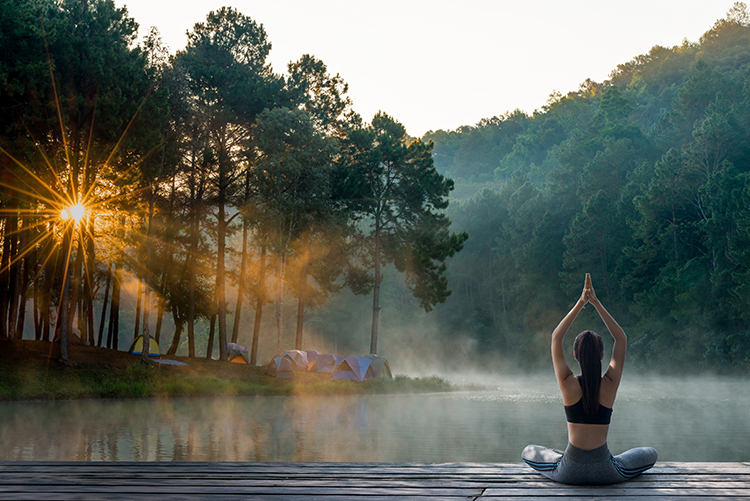
Indian travellers in 2026 are not just looking for picture-perfect destinations, but places that restore clarity, calm and wellbeing.
The Indian traveller in 2026 is travelling with a fundamentally different mindset than even a decade ago. Travel is no longer designed as an escape from routine, but as a structured way to manage health, energy and mental balance. In a climate shaped by demanding work cultures, constant digital engagement and heightened health awareness, travel has evolved into a deliberate wellness choice.
Across markets, wellness has moved from being a niche travel category to a central planning filter and Indian travellers are reflecting this shift strongly. Today’s journeys are evaluated not by how much ground they cover, but by how effectively they restore clarity, calm and wellbeing.

(Lubaina Sheerazi, Co-founder, The Gypsy Travel Network)
Having worked for over two decades with global destinations, hospitality brands and experience-led travel platforms, I have observed this transition at close range. The change is not cosmetic; it is behavioural. Indian travellers are asking different questions, setting different priorities and measuring value through long-term personal outcomes rather than short-term gratification.
Why the Indian Traveller’s Motivation Has Changed
Earlier phases of Indian outbound travel were driven largely by aspiration and visibility. Destination choices were influenced by familiarity, global reputation and recognisable luxury markers. Trips were often fast-paced, itinerary-heavy and designed around landmark experiences.
That motivation has shifted decisively. By 2026, Indian travellers are travelling less to “see” and more to “reset.” The focus has moved away from coverage and status to restoration and relevance. This change is closely linked to rising awareness around stress, burnout, lifestyle-related health issues and the limits of constant productivity. Travel is now being used as a tool to rebalance physical and mental health, rather than as a reward after exhaustion.
How Wellness Became a Primary Decision Filter
Wellness is no longer treated as an add-on within leisure travel. It has become one of the earliest decision points in planning. Indian travellers are actively seeking destinations and properties that support rest, recovery and long-term wellbeing.
This includes growing interest in spa-led resorts, integrative wellness retreats, mindfulness-based programmes and nature-centric stays. Traditional healing systems such as Ayurveda continue to attract strong engagement, alongside global wellness formats like thermal bathing, sleep therapies and digital detox experiences.
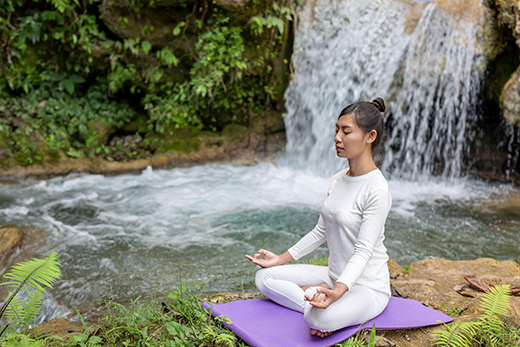
Crucially, wellness is no longer approached as a one-time intervention. Travellers increasingly view these journeys as part of an ongoing personal health strategy, returning to destinations or practices that show measurable impact on how they feel after the trip.
The Redefinition of Luxury in Wellness Travel
As wellness has moved to the centre, the idea of luxury has changed with it. Luxury is no longer defined by scale, excess or spectacle. Instead, it is defined by access to privacy, silence, space and personalisation. Quiet environments, unstructured time, nature immersion and individually tailored therapies now represent premium value and have become a significant marker of quality, particularly among experienced and high-frequency travellers.
The Rise of Conscious and Responsible Travel Behaviour
Alongside personal wellbeing, Indian travellers are increasingly conscious of the wider impact of their travel choices. Environmental sensitivity, cultural respect and community engagement are no longer optional considerations.
This shift is visible in growing demand for eco-conscious accommodations, conservation-linked experiences and community-integrated travel models. Travellers are choosing experiences that allow meaningful interaction rather than passive observation, seeking authenticity over performance.
Purpose-driven travel offers a different form of return—one rooted in connection, understanding and contribution. For many travellers, this emotional and ethical alignment is now as important as comfort or relaxation.
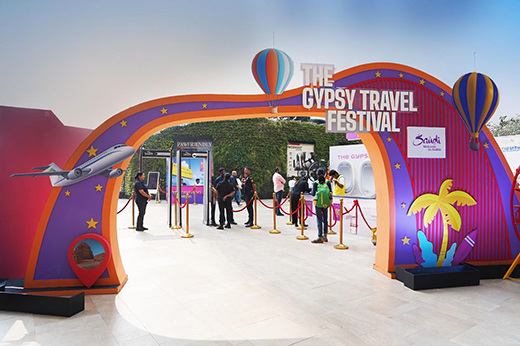
(The Gypsy Travel Festival)
How Discovery and Planning Have Evolved
The way Indian travellers engage with destinations has also changed. Traditional promotional narratives are increasingly supplemented by experiential discovery platforms—curated festivals, wellness forums and immersive travel gatherings.
These platforms allow travellers to interact directly with practitioners, experts and destination representatives, leading to more informed and intentional decision-making. This reflects a broader rejection of generic itineraries in favour of customised journeys aligned to individual goals.
Wellness, Culture and Leisure Are No Longer Separate
For today’s Indian traveller, wellness does not exist in isolation from culture or leisure. The most valued journeys integrate all three seamlessly.
Cultural engagement—through traditional healing practices, local rituals and indigenous knowledge systems—adds depth and credibility to the wellness experience. These interactions reinforce the understanding that wellbeing is deeply contextual, shaped by place, people and tradition.
Travel has moved away from consumption towards participation, allowing travellers to engage meaningfully with the environments they enter.
A More Confident and Informed Traveller Emerges
Indian travellers in 2026 are digitally fluent, research-driven and globally aware. Access to information and peer-led insights has expanded confidence, allowing travellers to explore beyond traditional wellness destinations.
While established regions continue to attract interest, there is growing curiosity around emerging wellness landscapes that offer authenticity, tranquillity and a strong sense of place. These travellers are comfortable navigating less familiar geographies when alignment with values and outcomes is clear.

The Return of Shared and Family-Led Wellness Travel
Another important shift is the rise of family and multi-generational wellness travel. Wellbeing is increasingly viewed as a shared experience rather than an individual pursuit.
Families are seeking destinations that support collective rest and reconnection while accommodating varied age groups and needs. This has influenced how wellness resorts design experiences, with greater emphasis on flexibility, inclusivity and emotional comfort alongside therapeutic offerings.
How Indian Travellers Now Measure Value
In 2026, value is no longer assessed by cost, prestige or volume of experiences. Indian travellers measure success through impact—how they feel during the journey and long after it ends.
Improved energy, mental clarity, emotional balance and behavioural change define return on investment. As a result, travel storytelling must evolve. Destinations and brands must articulate not just what they offer, but how those offerings support meaningful transformation.
The Indian Traveller in 2026
The Indian traveller today is intentional, informed and wellness-led. They seek journeys that restore rather than distract, and experiences that align with their long-term wellbeing rather than impress momentarily.
India’s outbound travel narrative is now shaped less by geography and more by outcome. As wellness continues to influence global travel behaviour, Indian travellers are among the most discerning and evolved participants in this shift.
Travel today is not about going somewhere new.
It is about returning with greater balance, clarity and wholeness.
Cover Credits: iStock