Chavi Singhal
24-Jul-2026

Did you know? Pilates isn't one-size-fits-all. Discover the different styles and find the one that best suits your body and goals.
Input By: Chavi Singhal, Founder and Mind–Body Wellness Coach at Ishva Wellness
Pilates has become one of the most popular forms of exercise for improving strength, posture, flexibility, and overall body awareness. With the rise of social media, Wall Pilates has gained significant attention as an accessible home workout. While both approaches share the core principles of Pilates—controlled movement, breathwork, precision, and core engagement—they serve different purposes and suit different individuals.
Traditional Pilates is the original method developed by Joseph Pilates and can be practised either on a mat or specialised equipment such as the Reformer, Cadillac, and Chair. These apparatus use springs to provide adjustable resistance and support, allowing for greater exercise variety, progression, and personalised programming. Under the guidance of a qualified instructor, Traditional Pilates can effectively improve strength, mobility, posture, balance, rehabilitation, and athletic performance.
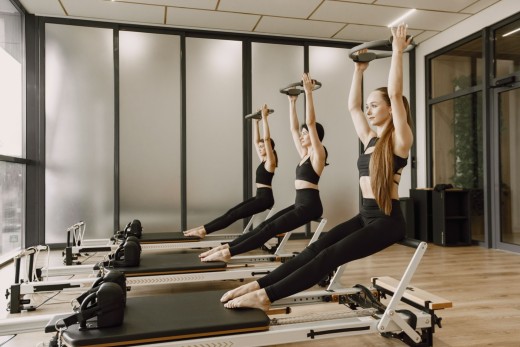
(Traditional Pilates, Image credits: pexels)
Wall Pilates, on the other hand, is a variation of mat Pilates where a wall acts as a support or point of resistance. The wall provides feedback for body alignment, stability, and control, making certain movements more accessible while also adding an element of challenge to others. It is particularly appealing for people who prefer working out at home with minimal equipment.
The key difference lies in the level of resistance, versatility, and personalisation. Traditional Pilates offers significantly more exercise options and progressive resistance through specialised equipment, making it suitable for beginners, experienced practitioners, athletes, older adults, and individuals recovering from injuries. Wall Pilates is more limited in exercise selection but remains an effective option for improving body awareness, posture, flexibility, and core activation.
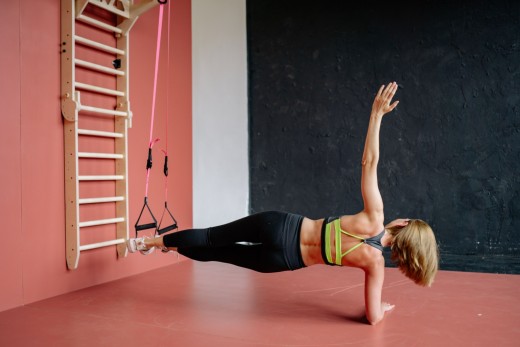
(Wall Pilates, Image credits: pexels)
So, to answer the question, which one is right for you?
If you’re new to Pilates, dealing with chronic pain, recovering from an injury, or looking to build long-term strength with proper technique, learning from a certified instructor through Traditional Pilates is the ideal choice. The personalised guidance ensures correct movement patterns and helps you progress safely.
If your goal is to stay active, supplement your regular fitness routine, or maintain consistency on days you can’t make it to a studio, Wall Pilates can be a practical and effective alternative.
Ultimately, Wall Pilates should not be seen as a replacement for Traditional Pilates but rather as a complementary practice. The best workout is one that aligns with your goals, fitness level, and lifestyle and, most importantly, one that you can practise consistently. Whether you’re exercising against a wall at home or on a Reformer in a studio, quality of movement will always matter more than the equipment you use.
Cover Credits: Pexels