Shimpli Patil
08-Sep-2026
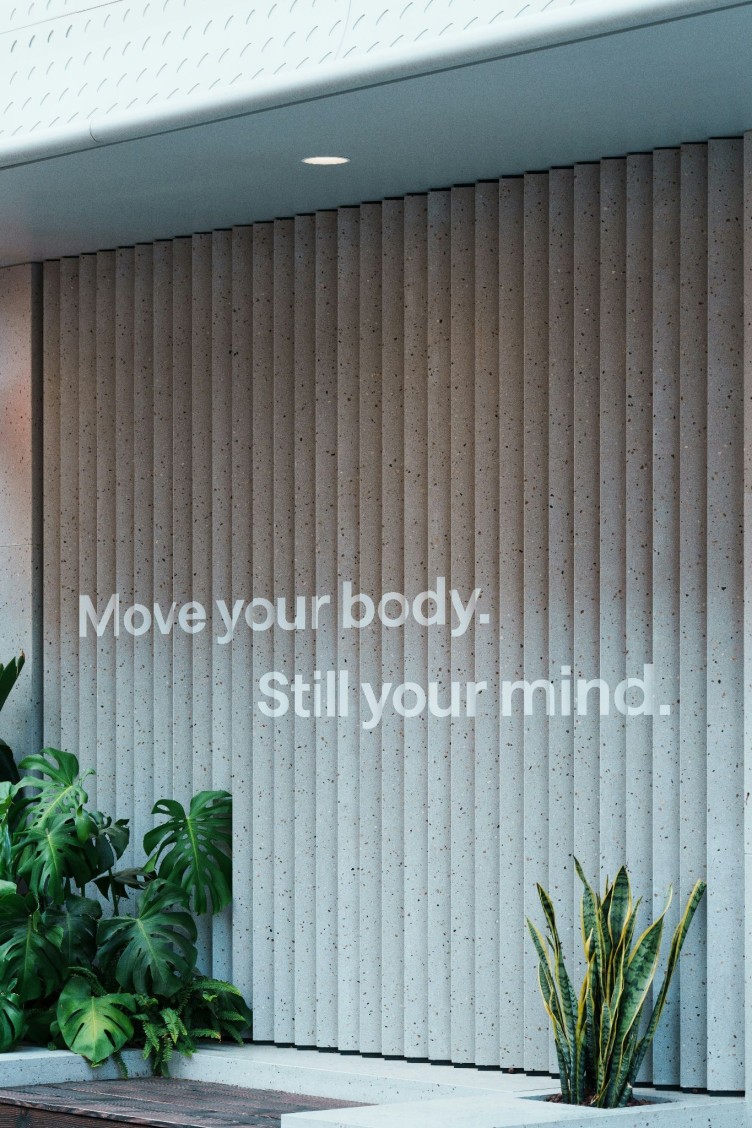
Health is rarely built in perfect conditions. It is built in the middle of real life.
By Shimpli Patil, Head of Department - Training - Integrative and Lifestyle Medicine, LCHHS
Can five minutes really change your health?
At first, it may sound too small to matter. We are used to thinking of wellness as something that needs an hour, a perfect routine, a quiet morning, a long workout, or a complete lifestyle overhaul. But for many people, that expectation becomes the reason they never begin.
Micro-wellness is not a shortcut. It is not a replacement for sleep, nutrition, movement, medical care, or emotional support. It is a small, intentional health practice done consistently enough to interrupt autopilot.
That is where its power lies.
In my work, I often see people delay taking care of themselves because they are waiting for the “right time.” They want to start when work settles, when stress reduces, when the house is quieter, when they have more energy. But health is rarely built in perfect conditions. It is built in the middle of real life.
Five minutes of slow breathing before a difficult conversation. Five minutes of sunlight in the morning. Five minutes of walking after lunch. Five minutes of stretching between meetings. Five minutes of eating without a screen. Five minutes of gratitude, silence, prayer, or journaling before bed.
These may look small, but the body notices repetition.

A randomized clinical trial published in JAMA Network Open found that a brief digital mindfulness program helped reduce perceived stress, job strain, and burnout among employees. Interestingly, greater adherence of at least five minutes of meditation per day was linked with greater reductions in stress. This supports something we see often in practice: the mind and body respond better to consistency than intensity alone.
Short bursts of movement also matter. A systematic review and meta-analysis in the British Journal of Sports Medicine found that brief “exercise snacks” spread throughout the day improved cardiorespiratory fitness in physically inactive adults and muscular endurance in older adults. This does not mean five minutes replaces a complete movement routine. But it does remind us that small movement breaks are not useless. They are signals to the body.
We always look at wellness through the lens of Lifestyle as Foundational Medicine. The six non-negotiable pillars, Food Science & Nutrient Synergy, Adequate Holistic Movement, Deep Sleep, Emotional Wellness & Mental Health, Nature: Internal & External Environment, and Spirit & Breathwork, do not always need to begin with big actions.

A glass of water before coffee supports the food foundation. A short walk supports movement. A screen pause before sleep supports rest. A few deep breaths support emotional regulation. A few minutes outdoors supports nature. A moment of prayer or stillness supports spirit and breathwork.
Micro-wellness works because it lowers resistance. It helps people begin. And once the body experiences a small moment of care, it becomes easier to repeat it.
The key is not to collect random habits. Choose one small practice that your body actually needs right now. If your stress is high, begin with breath. If you sit too long, begin with movement. If your sleep is poor, begin with a nighttime pause. If meals are rushed, begin by eating one meal more slowly.
Five minutes will not fix everything. But five minutes can interrupt a stressful pattern, bring awareness back to the body, and create the first step toward consistency.
Sometimes, health does not begin with a dramatic change. It begins with one small decision repeated daily.
Disclaimer: This article is for general awareness only and does not replace medical advice, diagnosis, or treatment. Anyone with chronic stress, anxiety, depression, sleep issues, pain, heart disease, pregnancy, or any medical condition should consult a qualified healthcare provider before changing their wellness, movement, or breathing practices.
All image credits- Unsplash