Prachita
02-Sep-2026
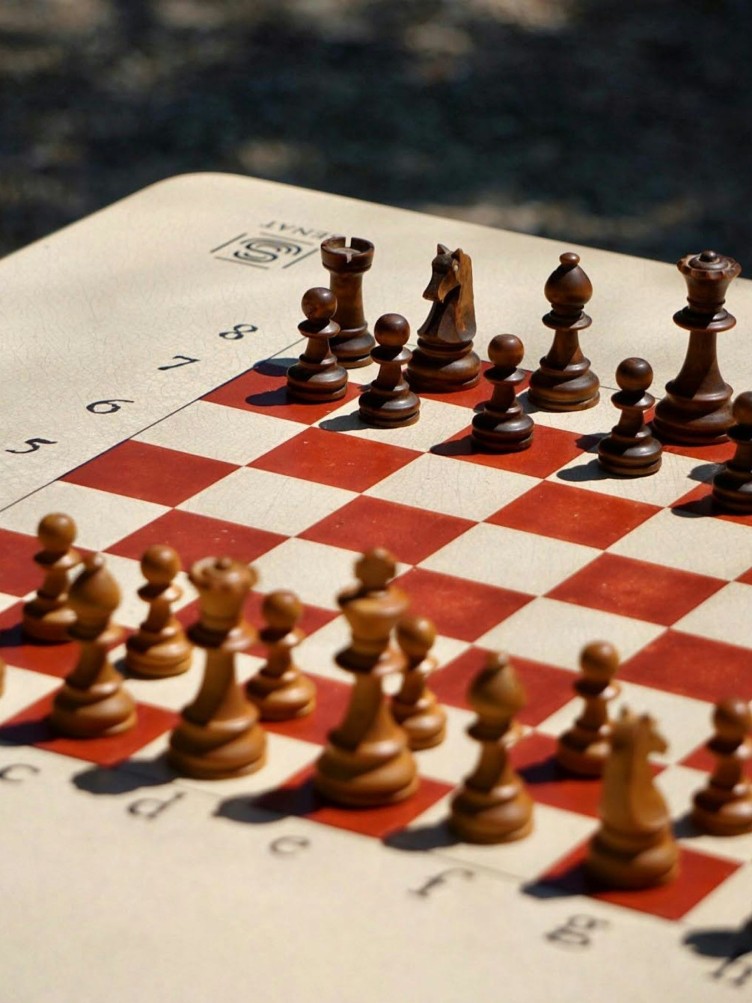
Chess is quietly earning a place in conversations about brain health, stress relief and healthy ageing.
For centuries, chess has been seen as a game of intellect, the domain of grandmasters and quiet minds hunched over sixty-four squares. But increasingly, researchers and wellness experts are looking at it differently: not just as a mental sport, but as a genuine tool for cognitive health and mental wellness. From sharpening focus to easing stress, here are the ways this centuries-old game supports the mind.
1. Gives Your Memory a Workout
Every chess game asks you to remember opening sequences, track your opponent's patterns and recall past mistakes so you don't repeat them. This constant recall exercises both short-term and long-term memory in a way few everyday activities do. Some research on chess players has pointed to changes in brain connectivity linked to memory and decision-making networks, suggesting that regular play may keep these pathways active over time. It's not a substitute for a good night's sleep or a balanced diet, both essential for memory, but as a mentally engaging habit, chess gives your recall muscles a reason to stay sharp, one game at a time.
2. Sharpens Concentration and Focus
There's no scrolling mid-game. Chess demands sustained attention, often for long stretches, which makes it a natural exercise in focus. Every move requires you to consider the board as a whole while zeroing in on specific threats and opportunities, a balance of broad and narrow attention that mirrors what's often trained in mindfulness practice. Players describe entering a state of deep concentration during matches, where outside distractions genuinely fade. For anyone whose attention span feels stretched thin by constant notifications, chess offers a rare, screen-adjacent reason to sit still and concentrate on one thing for an extended period.
3. Builds Real Problem-Solving Skills
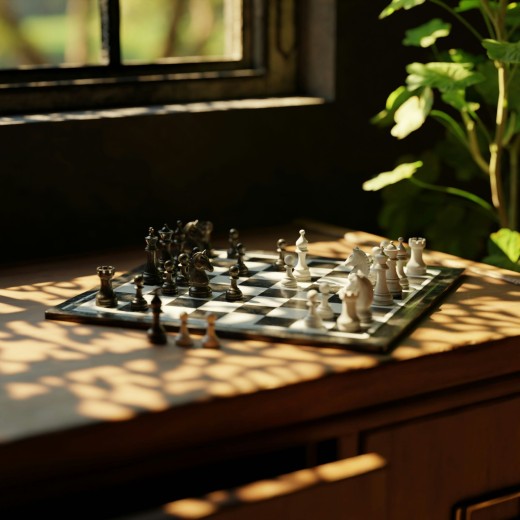
At its core, chess is a sequence of problems: how do you defend this square, exploit that weakness, or recover from an early mistake. Players learn to break down complex situations into smaller, manageable decisions, weighing several possible outcomes before settling on one. This habit of structured thinking tends to carry over into daily life, whether that's untangling a work dilemma or planning a busy week. Research on chess players has noted associations with sharper problem-solving and metacognitive skills, though experts caution that these gains are usually strongest in those who play consistently over time rather than occasionally.
4. Trains Strategic, Long-Term Thinking
Unlike games driven by chance, chess rewards planning several moves ahead while staying flexible enough to adapt when things don't go as expected. This kind of strategic thinking, weighing short-term gains against long-term consequences, is a skill that quietly strengthens with practice. It's a useful mental muscle well beyond the chessboard, showing up in how people approach career decisions, financial planning or even everyday negotiations. Learning to think several steps ahead, while staying open to changing course, is arguably one of the most transferable benefits chess offers to anyone willing to put in consistent practice.
5. Keeps the Brain Genuinely Active
Much like the body benefits from regular movement, the brain benefits from being consistently challenged, and chess offers exactly that kind of workout. Studies using brain imaging have found that experienced chess players show distinct patterns of neural activity and connectivity compared to non-players, particularly in regions tied to decision-making and spatial processing. Researchers describe this as a possible sign of increased neural efficiency built up over years of play. While chess alone won't guarantee sharper cognition, it fits well within a broader lifestyle of mentally stimulating habits, alongside reading, learning new skills or picking up an instrument.
6. Offers a Quiet Form of Stress Relief
There's something meditative about a chess board. The game demands full presence, pulling attention away from daily worries and into the immediate task of the next move. This mindful engagement, similar in spirit to other absorbing, screen-free hobbies, can offer a mental break from stress and rumination. Some research has even explored chess as a supportive tool alongside therapy for conditions like anxiety, given its ability to anchor attention in the present moment. It won't replace proper stress management techniques, but as a calming, focused ritual, a game of chess can be a welcome pause from a noisy day.

7. Builds Patience and Emotional Control
Chess has little patience for impulsiveness. Rushed moves are usually punished, and players quickly learn that pausing to think, even when it's tempting to react instantly, tends to produce better outcomes. Over time, this teaches a kind of emotional regulation: staying composed after a bad move, resisting the urge to panic, and thinking clearly under pressure. These are skills that extend well beyond the board, helping with everything from workplace stress to everyday frustration. Learning to sit with discomfort instead of reacting to it is a subtle but valuable form of emotional training, and chess offers plenty of practice.
8. Encourages Creative Thinking
Chess isn't purely mathematical. Strong players often describe finding unexpected, even artistic solutions to seemingly impossible positions. Some studies comparing chess-trained students to their peers have found that chess players scored higher on tests of divergent thinking, the ability to generate multiple original ideas or interpretations from a single prompt. This suggests that the game's demand for creative problem-solving within a strict set of rules may nurture flexible, imaginative thinking. It's a reminder that structure and creativity aren't opposites, sometimes, the tightest constraints produce the most inventive thinking.
9. Supports Healthy Ageing
Among all the claimed benefits of chess, its role in healthy ageing has drawn some of the most serious research attention. Large studies following older adults have found that engaging in mentally stimulating activities like chess is associated with a lower risk of dementia, and researchers at Harvard's School of Public Health are currently studying chess players specifically to better understand this link. That said, experts are careful to note that this research shows association, not proof of cause, since people who play chess regularly may already be on healthier cognitive trajectories. Still, as one part of a mentally active lifestyle, chess appears to be a meaningful addition for those hoping to build long-term cognitive reserve.
10. It Builds Confidence and Decision-Making Ability
Every chess game is a series of decisions made under uncertainty, without knowing exactly how an opponent will respond. Learning to commit to a move, live with its consequences and adjust strategy accordingly builds a quiet, practical form of confidence. Younger players, in particular, have shown improvements in self-efficacy and self-confidence through regular chess play, according to research on school-aged children. For adults, that same decisiveness under pressure can translate into everyday life, whether it's making a call at work or trusting your judgment in an unfamiliar situation. It's a small but steady way of learning to trust your own thinking.
Chess isn't a miracle cure, and no single game will transform your brain health overnight. But as a consistent, mentally engaging habit, it offers something increasingly rare: focused, screen-light time that challenges the mind while calming it. Whether it's a quick game before bed or a weekly match with a friend, chess is a simple, accessible way to support mental wellness and long-term brain health, no expensive equipment or gym membership required, just a board, a bit of patience, and a willingness to think a few moves ahead.
All image credits- Unsplash