Vidhi Gupta
05-Sep-2026
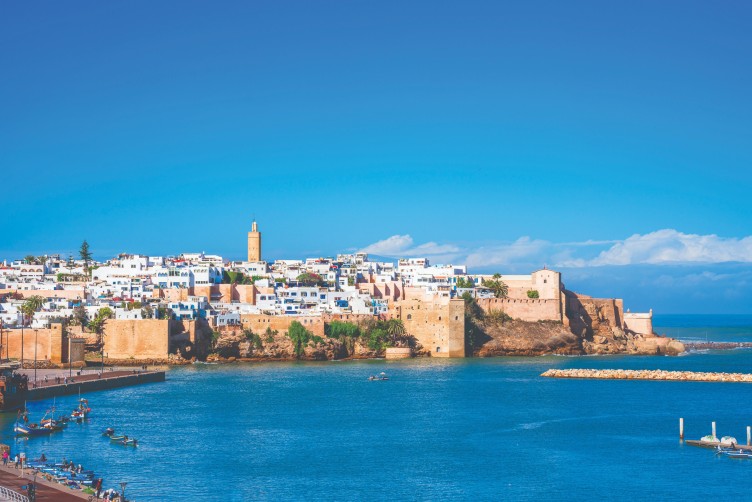
Discover Morocco's many cities and why each one deserves a place on your itinerary.
If you ask me to describe Morocco in a gist, I'll tell you about how much history the place has, how colourful their zellige tiles are, how much people love Bollywood (especially Shah Rukh Khan), and how the earthen shades of brown glow under the sun. But beyond this, each Moroccan city offers a distinct experience. Every purchase feels like a treasured find, every meal introduces flavours that instantly win over your palate, and every corner reveals art, colour, and craftsmanship unlike anywhere else.
This is a journey through the many moods, many tones, and many impressions of Morocco.
Cultural Fes
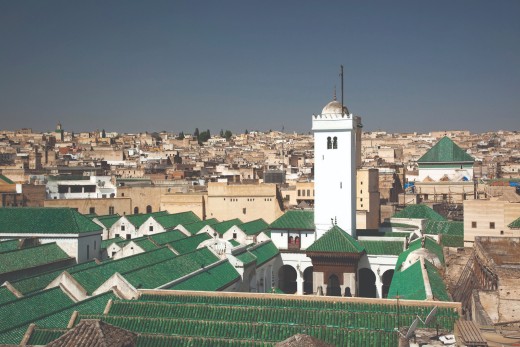
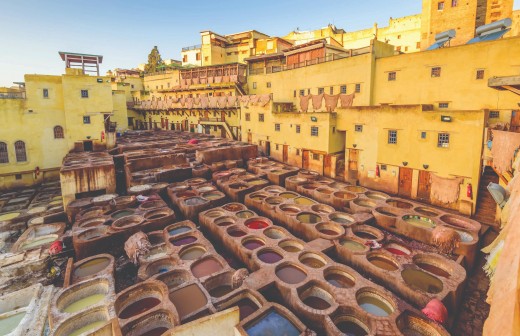
Exploring the Fes el Bali medina feels like you are Aladdin in a maze. I was literally zigzagging through narrow streets lined with tall walls and people everywhere. The medina is packed with riads, hammams, and shops selling spices, brassware, carpets, leather goods, pottery, ceramics, and other Moroccan handicrafts. The medina is also home to the University of al-Qarawiyyin, the world's oldest university. Established as a mosque between 857–859, it was later made a state university in 1963. You can only peek from the outside as it is off-limits for non-muslims. I also visited the city’s oldest and largest tannery dating back to the 14th century- Chouara Tannery. Its iconic stone dyeing vessels and traditional leather-making processes remain unchanged. Yes, the smell gets to you, but keep a few mint leaves close to your nose as you watch the workers dye and treat leather using age-old techniques.
In Fes, I also visited a pottery factory for a behind-the-scenes look at Moroccan pottery. I saw the entire process—from raw clay and hand-moulding to drying and painting each piece. The artisans also hand-cut tiny mosaic pieces to create intricate walls, tables, and fountains. Did you know a standard-sized fountain takes around two months to complete, while a smaller one takes about 20 days?
Where to stay: Located within the walls of the ancient city is a riad where you can immerse yourself in centuries of craftsmanship and hospitality. Palais Faraj Suites & Spa is a restored palace which is full of Moroccan craftsmanship. It has a patio with flowerbeds, a swimming pool, spa, restaurants on terrace with a view of Fes, and spacious suites. Another beautiful property sits right in the heart of Medina—Riad Fes, a member of the Relais & Châteaux collection. The view from the top has massive Atlas mountains on one side, and the old town in the order in stone and earth colours.
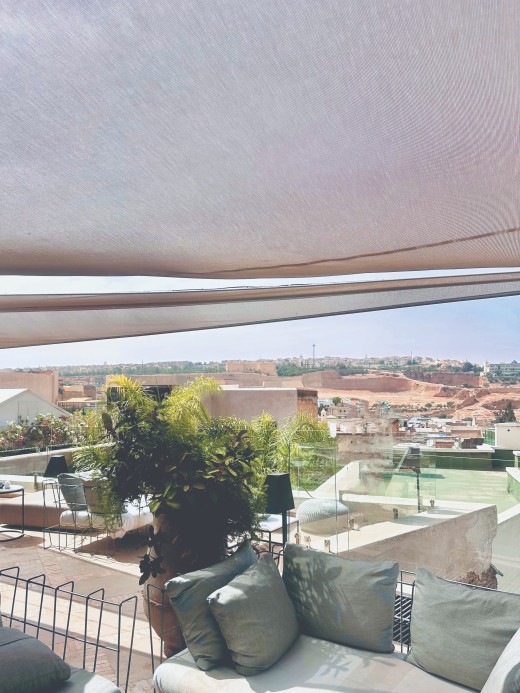
Where to eat: For lunch, head to Ishq Restaurant for its delicious black couscous and desserts while you enjoy Bollywood songs being played just for you. For dinner with dazzling views of Fes by night, visit Jungle Rooftop at Hotel Sahrai (part of Small Luxury Hotels) for an upscale dining experience and interesting cocktails.
Historical Rabat
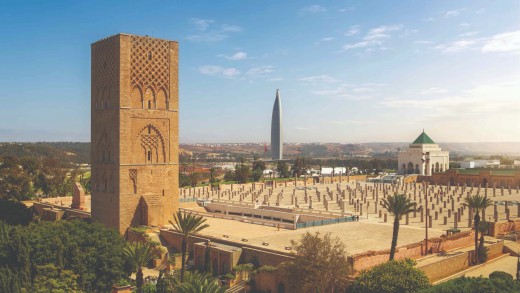
The capital city of Morocco, Rabat, is steeped in history. Visit the Kasbah of the Oudayas to see a stone fortress built in the 12th century which once sheltered corsairs and sultans. Its blue-and-white alleyways lead to a mosque, a small market, and Café Maure, where I sipped traditional Moroccan mint tea while enjoying panoramic views of the Bou Regreg River flowing into the Atlantic Ocean.
Another historically significant landmark is the Hassan Tower, an unfinished minaret that was originally intended to become not only the tallest in the world but also the world's largest mosque. Overlooking the tower is the Mausoleum of Mohammed V, which houses the tombs of King Mohammed V and his two sons, all of whom played a significant role in Morocco's independence.
Coming to Rabat's modern marvel, you will see a 250-metre-tall Mohammed VI Tower redefining the city's skyline. This rocket-shaped building brings together offices, luxury residences, a luxury hotel (Waldorf Astoria Rabat Salé) and an observatory at the very top—all within a single structure. The observatory, on the 51st-55th floors, has a panoramic view of Rabat and Salé.
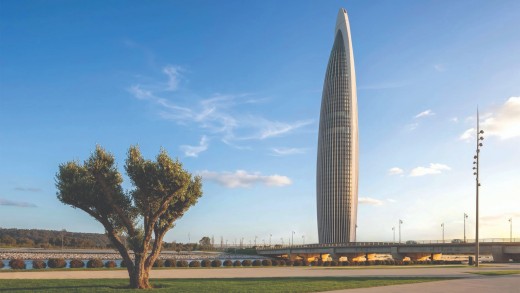
Where to stay: Fairmont La Marina Rabat-Salé blends traditional craftsmanship with modern amenities. It sits at the confluence of the Bouregreg and the Atlantic Ocean with a rooftop pool and a deck to enjoy the views. You can also stay within the Mohammed VI Tower at Waldorf Astoria Rabat Salé. The hotel houses a stunning pool and the largest art collection in North Africa.
Where to eat: When it comes to tasting the flavours of Morocco, experience authentic Moroccan cuisine at La Maison Arabe in Tour Hassan Palace, where the staff bring your food on large plates for everyone at the table to share.
The Bustling Marrakesh
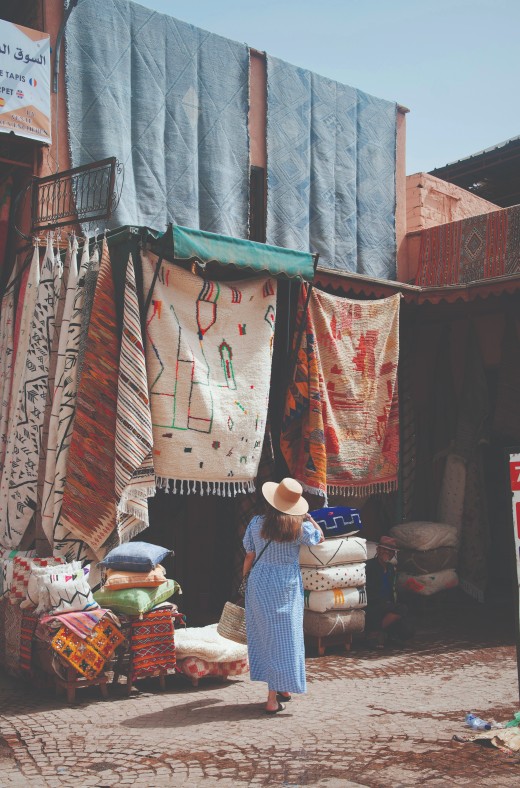
Want to know the best way to begin your morning in Marrakesh? Floating in a hot-air balloon at sunrise. As dozens of balloons rise together, you see the sunrise at eye level across the horizon, while you are gently lifted off the ground. It is peacefully beautiful.
While there is plenty to do in Marrakesh, I handpicked to visit only the most interesting ones. I visited the Bahia Palace, built in the 1860s, known for its intricate marquetry, colourful zellige (tilework), ornate ceilings, beautiful courtyards, and gardens. The architectural floorplan of this palace is something you need to study as it is extremely well planned.
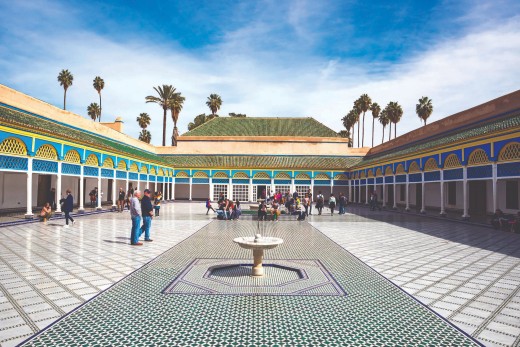
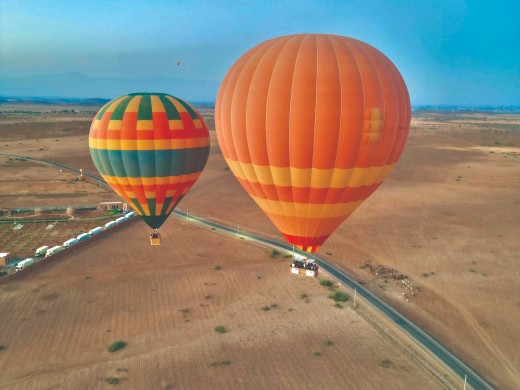
Straight from the palace, I started to walk to the popular Medina. Here you will walk through Jemaa el-Fnaa (the busy square), bustling souks, hammams, historic sites, and traditional riads. It's also the perfect place to shop for pottery, spices, beauty products, rugs, jewellery, clothes and other various items.
Don't miss the enchanting Majorelle Garden, one of the world's most beautiful gardens, where striking blue architecture, exotic cacti, water features, and birds create a peaceful oasis. Right next door is the Yves Saint Laurent Museum, showcasing the legendary designer's sketches, couture creations, and his legacy.
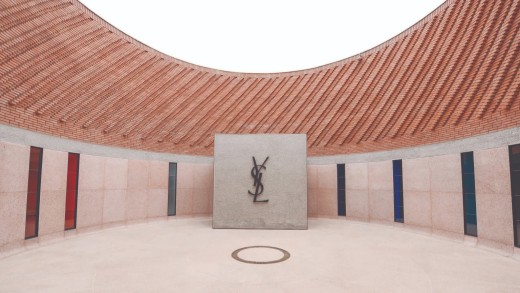
Where to stay: Mövenpick Hotel Mansour Eddahbi Marrakech sits at the perfect location for you to tour around the city. Just minutes away from the vibrant Jemaa El Fna square and M Avenue, the hotel has 7 restaurants, a wellness center (including a Cinq Mondes spa, a yoga studio, and a fitness room), 3 swimming pools, and a kids' club.
Where to eat: For dinner, head to Dar Soukkar and prepare to be amazed. With high-energy performances, dramatic theatrics, and outdoor seating facing the stage, it's an evening where you'll lose track of time and experience the celebratory spirit of Marrakech.
Cosmopolitan Casablanca
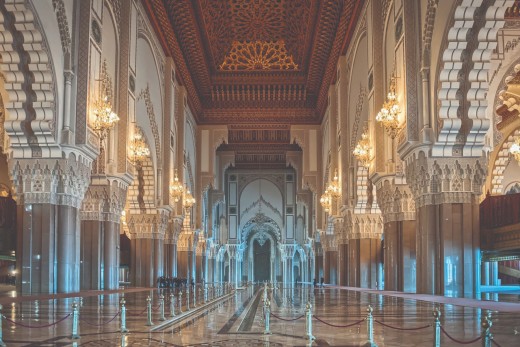
Casablanca is a modern city with a zing. Two things instantly catch your eye—the Atlantic horizon and the Hassan II Mosque, massive, beautiful, and peaceful. Step inside the mosque, and your eyes wander across intricate geometric patterns and perfect symmetry. Art forms like Moroccan zellige and muqarnas are everywhere; from walls and pillars to staircases and doors. The ablution hall, with its 45 marble fountains, is unlike anything you've seen before. Blending tradition with technology, the mosque features a retractable cedar roof, hammams with heated swimming pools, and marble floors that are warmed in winter.
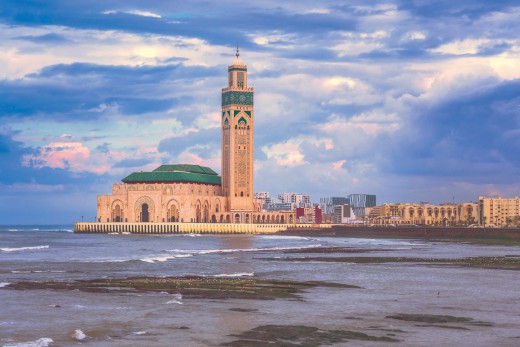
Where to stay: Stay in the heart of the city centre at Casablanca Marriott Hotel. It is a cosy hotel with a 10 minutes walking distance from Casa Port fast train station, restaurants and main tourist attractions.
Where to eat: For Moroccan cuisine, head to Dar Dada. The vivacious restaurant is full of people dining in its courtyards, upstairs rooms, and balconies. The lights dim and the place becomes alive with performers stopping by every table to get guests grooving to Moroccan tunes. All the while, you feast on traditional dishes like tagine, Moroccan bread with a selection of dips—one made from eggplant, another from pumpkin, and several more—along with olives.
If you are looking for a more relaxed place, go to Cabestan Ocean View during lunch for the perfect sunshine views over the Atlantic. What makes it special? It has served Mediterranean flavours to the world’s elite.
Blue Hues of Chefchaouen
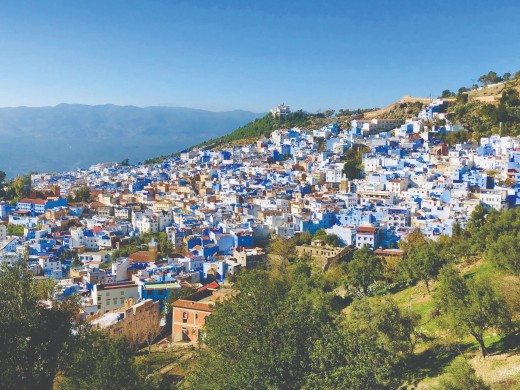
The colour blue never looked prettier until you arrived in Chefchaouen. Simply saunter through the medina, where every blue-painted corner is picture-perfect. Browse the shops selling leather bags, paintings, carpentry, handicrafts, and fridge magnets, or simply sit at a café in the plaza and do some people-watching. For panoramic views, take a short hike up to the Spanish Mosque.
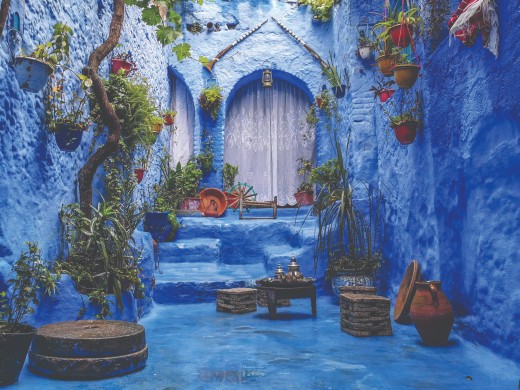
Where to stay and eat: I stayed at the Dar Echchaouen, a cosy riad with a pool overlooking Chefchaouen and one of the best sunset views in town. I can also vouch for its hearty dinner, served in pretty cutlery. For lunch while exploring the city, head to Triana for European fare and fresh seafood.
Cinematic Ouarzazate
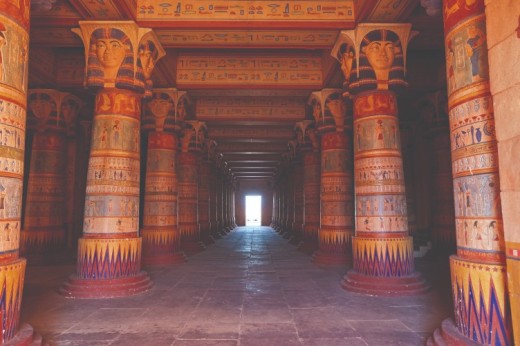
I learnt the art of filmmaking at one of the world's largest film studios, Atlas Film Studios in Ouarzazate. This is where The Mummy, Gladiator, Game of Thrones, and over 100 other films and series have been shot. The sets are as real as seen on screens, and you're free to wander through them. My guide revealed some fascinating filmmaking secrets—from how camera angles make small spaces appear grand to how a single location can be filmed from different perspectives to look like multiple places. The studio is a favourite among filmmakers for three reasons: first, its clear blue sky makes post-production editing easier and cheaper; second, the absence of air traffic and noise minimises distractions and increases concentration; and third, the locals can convincingly portray Afghans, Egyptians, Arabs, or Romans.
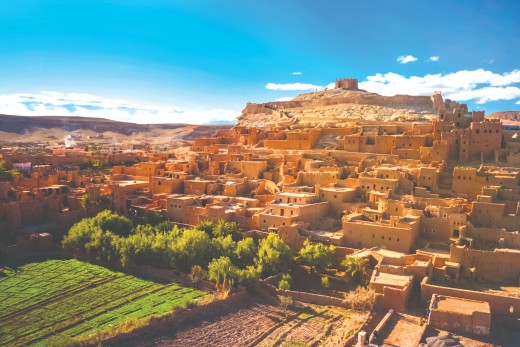
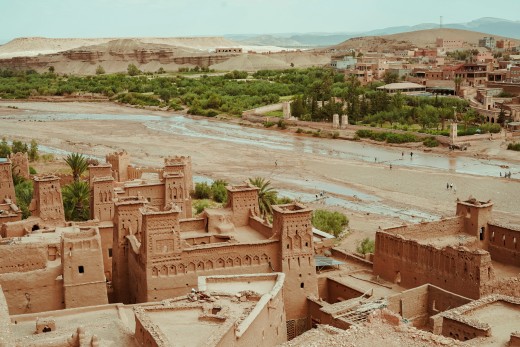
Around 30 minutes from the studios is Aït Ben Haddou, a UNESCO World Heritage-listed ksar and another popular filming location. Showcasing southern Morocco's earthen architecture, the ancient fortified village rewards those who climb to the top with views of the Ounila Valley, while its mud-brick walls glow in the sun. Trusted by Christopher Nolan, The Odyssey was among the recent movies shot in Aït Benhaddou, among other locations in Morocco, including Marrakesh.
Where to eat: After visiting Ait Ben Haddou, you can stop and eat at Ksar Ighnada, a cosy and pretty old kasbah restored in the purest tradition. They serve delicious tart.
Where to stay: Located five minutes from Ouarzazate Airport and the iconic Kasbah of Taourirt, The Berbère Palace is even trusted by many celebrities, as directors, actors, and film crews have stayed for weeks, often months.
Merzouga’s Shades of Brown
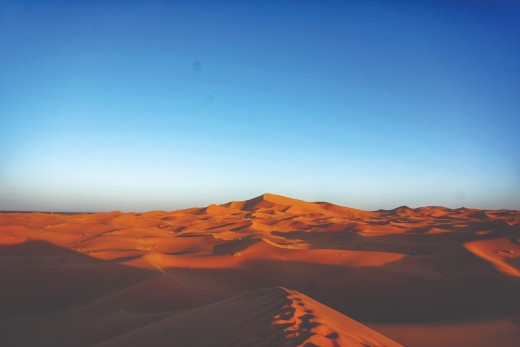
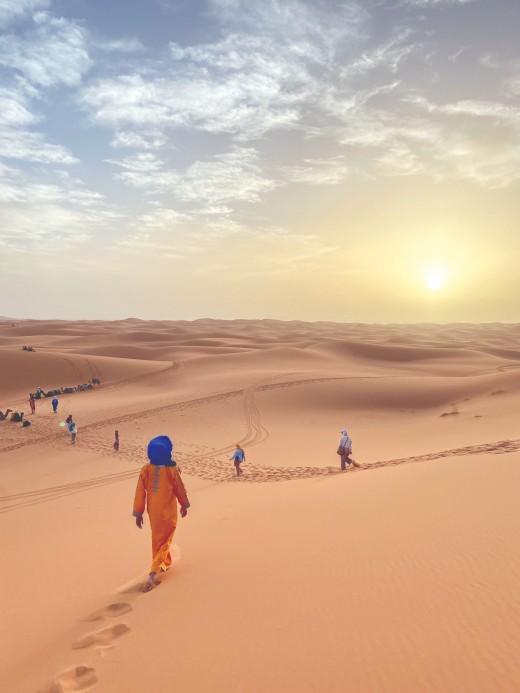
Arriving in Merzouga, you're whisked into a 4x4 and off on a desert adventure across sand dunes to your camp. On a camel ride to a sunset point, you see sunset colors contrasting with the colour of the sand. At night, the same sky is full of stars with shooting stars streaking across the sky every few minutes. Such is the magic of the desert in Morocco.
In Merzouga, you can also visit a fossil factory to see the entire process, from excavating the fossils to cutting, polishing, and preparing them for export.
Something that impressed me were the reservoirs. While entering Merzouga, you'll see some of Morocco's largest reservoirs covering nearly 40,000 hectares. Their blue waters stand out against the surrounding brown hills, and you are in awe of human ingenuity.
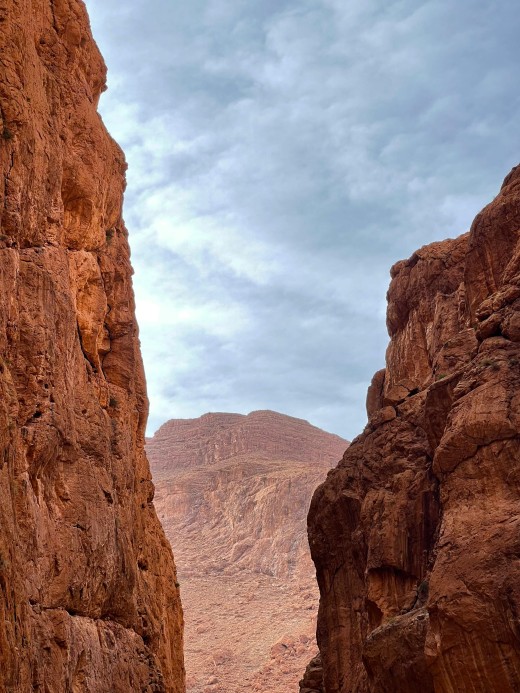
Travelling onwards from Merzouga to Ouarzazate, you'll pass through Dadès Gorges, a rugged river valley carved by the Dadès River, which originates in the High Atlas Mountains. From the viewpoints, the winding roads look as though they've been carved into Mars, while pockets of lush green villages create a contrast against the rugged landscape. For another picturesque stop along the way, visit Todgha Gorge, where towering canyons rise on either side of the road upto heights of 600 metres.
Where to eat: Xaluca Dades Hotel is like a paradise in the middle of the mountains which is a great place to stop, stretch, and eat mid-route Merzouga to Ouarzazate. En route from Fes to Merzouga, you can stop at Hotel Taddart, Midelt.
Morocco is a country of many moods, where every city has its own personality and every experience feels unique. From colourful craftsmanship and rich history to warm-hearted people and unforgettable landscapes, it is a destination that you'll find yourself reminiscing about long after you're back home.