Tejashee Kashyap
16-Nov-2026

Food is at the heart of Louisiana's identity, making it one of America's most distinctive food destinations.
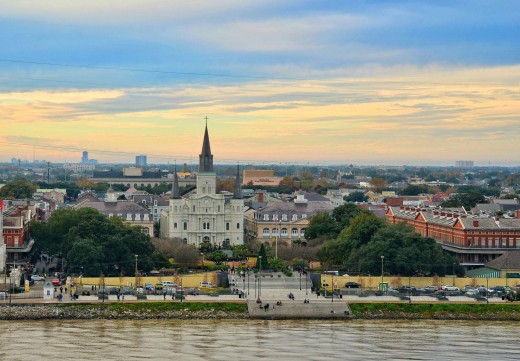
It’s a brisk autumn evening when I arrive in New Orleans, Louisiana. A cool breeze slips through my jacket, and I find myself longing for something warm, something comforting, something that feels a little like home. Having leafed through several cookbooks before the trip, I had already read about the state’s two celebrated culinary traditions – Cajun and Creole. Coming from India, Cajun cooking and its bold flavours, generous use of spices, and hearty preparations seemed familiar, reminiscent of the kind of food we turn to back home when the weather calls for something warming.
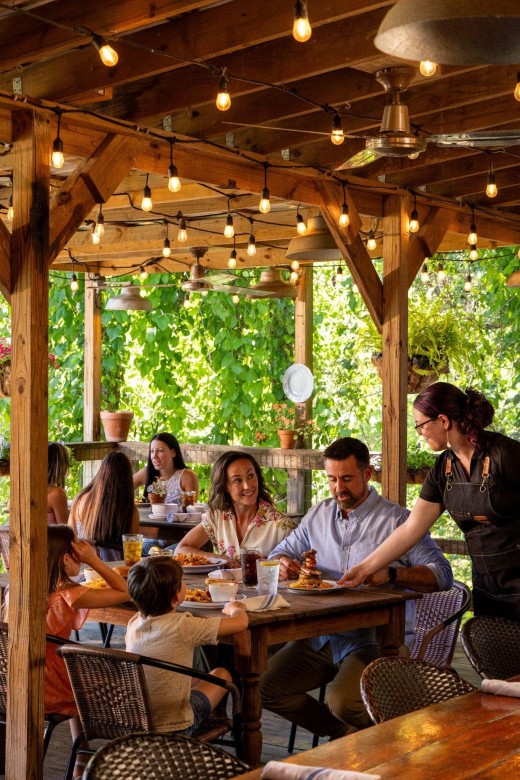
So, at a local eatery on Magazine Street, I settled on étouffée, a thick, richly spiced stew, typically made with shellfish and served over rice. It was my first meal in Louisiana, and what an introduction it turned out to be! There was something deeply reassuring about that bowl of food – its warmth, its spice and its comforting richness. There are places you come to understand through food. Louisiana, in America’s Deep South, belongs firmly in this category. And if this first meal was anything to go by, I knew I was in for a delicious journey through Louisiana.
A melting pot of cuisine
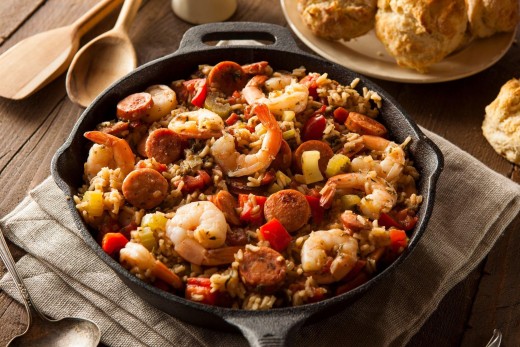
Caption: Jambalaya
Having read countless articles and cookbooks, and, of course, watched Jon Favreau’s Chef, which follows a delicious journey through Louisiana's food, I was positively giddy at the prospect of eating my way through the state.
Compared to much of the United States, Louisiana's culinary canon remains something of a well-kept secret, and perhaps that is part of its charm. Its food is not rooted in a single tradition but in centuries of cultural exchange, migration and adaptation. African nations, Native Americans, Germans, Haitians, Acadians (French-Canadian immigrants), Sicilians, the French and Croatians have all left their mark on its kitchens. More recently, Vietnamese immigrants, who began arriving in significant numbers in the 1970s, added yet another layer to this evolving food culture.
At the heart of this culinary potpourri are two traditions that define Louisiana's food identity – Creole and Cajun cooking. The terms are often used interchangeably, but they have distinct histories, cultural influences and, of course, differences in the way dishes are prepared.
Creole cooking is a coming together of European, African and Caribbean influences, shaped by the ingredients and culinary traditions of Louisiana. It flourished in New Orleans in the early 19th century, drawing from the city's diverse communities and cosmopolitan food culture. Cajun cooking, meanwhile, traces its roots to the 18th-century French-Acadian exiles who settled in the swamps and prairies of southwest Louisiana. Their cooking was more rustic and resourceful, shaped by rural life, local produce and the need to make the most of what was available.
Both cuisines share a love for bold flavours, making generous use of herbs and spices such as cayenne pepper and thyme. Yet, there are small differences that set them apart. One easy way to tell the two apart is by looking at the use of tomatoes. Creole cooking tends to use them more liberally, while traditional Cajun recipes generally use them sparingly.
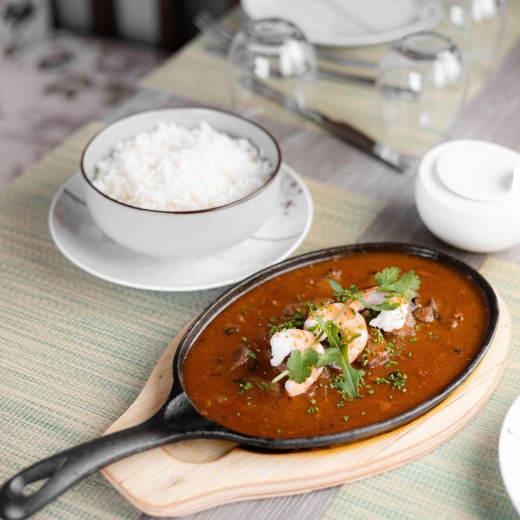
Caption: Étouffée
As I browsed through restaurant menus, I often came across the same dishes – gumbo, jambalaya and étouffée – described as either Creole or Cajun. But a medley of finely diced onions, bell peppers and celery forms the aromatic base of much of Louisiana cooking. It’s similar to the onion-tomato-ginger-garlic base that is so familiar in Indian kitchens. As I ate my way through Louisiana, I began to appreciate how the two traditions differed in their ingredients, proportions and methods of preparation. Neither was superior to the other, and perhaps that's the beauty of Louisiana. Both have their own identities, histories and flavours, yet coexist effortlessly, much like cousins at a big family table.
The comfort of various dishes
Start with a heartwarming bowl of gumbo, a cool autumn-weather staple. Few dishes divide Louisianians quite as much as gumbo, yet there is perhaps no other dish that brings them together around a table quite like a steaming bowl of it. It is the very essence of Southern comfort food – a thick, dark, soup-like preparation that brings together meat or seafood, a deeply flavoured roux and layers of seasoning. Depending on who's cooking, gumbo could feature chicken, andouille sausage, shrimp, crab or an assortment of seafood. Every cook seems to have their own version, and every family has its own idea of what makes a good gumbo. That's part of its charm; no two bowls are quite the same.
And if I were to talk about having a classic Louisiana meal, it would be a generous, slurpy bowl of gumbo, followed by a slice of king cake – the brioche-like pastry traditionally decorated with purple, green and gold icing. Sometimes, it could be red beans and rice, a Louisiana staple that’s consumed mainly on Mondays. Or have a turtle soup, a must-try when you start a festive Friday lunch.
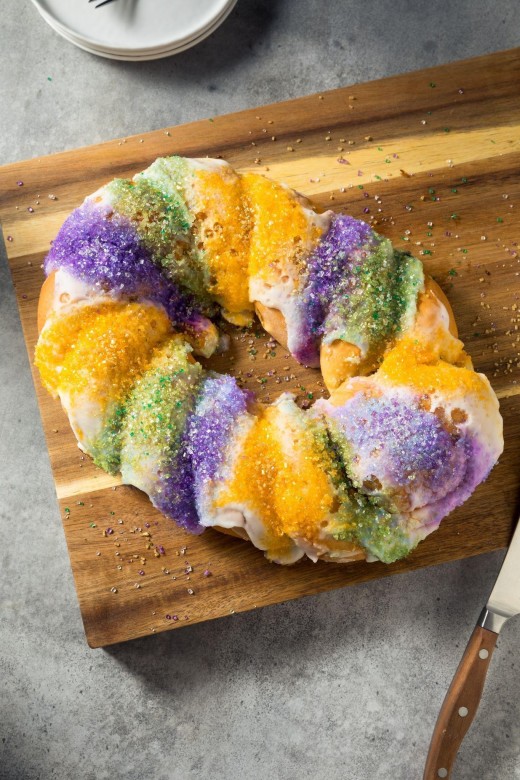
Caption: King Cake
Then there is jambalaya, another Louisiana favourite that I found myself returning to. This is a hearty one-pot dish that brings together rice, meat or seafood, vegetables and seasoning, all cooked together until the flavours come beautifully into their own. Brown jambalaya, typically associated with Cajun cooking, gets its colour from the browning of meat and the cooking process, often featuring chicken and sausage. Red jambalaya, on the other hand, incorporates tomatoes and is commonly associated with Creole cooking.
By now, I was beginning to understand that here, seafood is not simply about what comes out of the water; it is about the seasons, the communities and generations of cooking traditions that bring it to the table. Come spring, and you'll find crawfish making their way into buttery étouffées and steaming boils; in summer, sweet brown shrimp take centre stage. There is always something fresh from the waters finding its way onto the plate.
Crawfish, in particular, deserves a celebration of its own. These little freshwater crustaceans are something of a Louisiana obsession, appearing in everything from étouffée and bisque to the much-loved crawfish boil. My favourite, crawfish étouffée, is cooked in a rich, buttery, well-seasoned sauce, often with garlic, onions and peppers, until they soak up all those lovely flavours. Served over a bed of rice, it is the kind of dish that makes you want to slow down and savour every spoonful.
And then, there are the oysters. Charbroiled, freshly shucked or served in a variety of preparations, they are a reminder of Louisiana's close relationship with the Gulf. The Mississippi River meets the Gulf of Mexico; the mix of fresh and salt water creates rich estuarine waters that support an abundance of seafood, from oysters and shrimp to crabs.
The culture of coming together
The more I ate my way through Louisiana, the closer I felt to understanding the distinction between Creole and Cajun cooking. But I also began to realise that this distinction wasn't always as straightforward as I had imagined. Much depended on where in the state you were. New Orleans may be Louisiana's most internationally recognised food destination, but the culinary experience here is quite different from what you might discover in Lafayette, Alexandria or Shreveport. New Orleans, with its strong Creole heritage, is known for its celebrated restaurants, elaborate preparations and fine-dining experiences. Much of what is labelled Cajun on restaurant menus here, I began to notice, often comes with a Creole influence or a more contemporary fusion of the two traditions.
Cajun food, in particular, is often associated with country-style cooking – unfussy, generous and resourceful. Think one-pot meals, slow-cooked stews, rice dishes and recipes that make the most of whatever is available locally. Louisiana's Cajun Bayou, just south of New Orleans, has a different side of the state altogether - a rural landscape of moss-draped trees, winding waterways and little villages shaped by generations of life along the bayou. Between leisurely boat rides through the bayous and meals that seemed to go on forever, I found myself discovering a more rustic, deeply rooted side of Louisiana's food culture - with hearty comfort food served at waterside restaurants, spice-scented food festivals and seafood pulled fresh from the surrounding waters.
Cajun or Creole, perhaps the distinction matters a little less when you are in Louisiana. For Louisianians, food is ultimately about bringing people together – a table laden with generous, hearty dishes and the simple joy of eating together!