GlobalSpa
18-Nov-2026
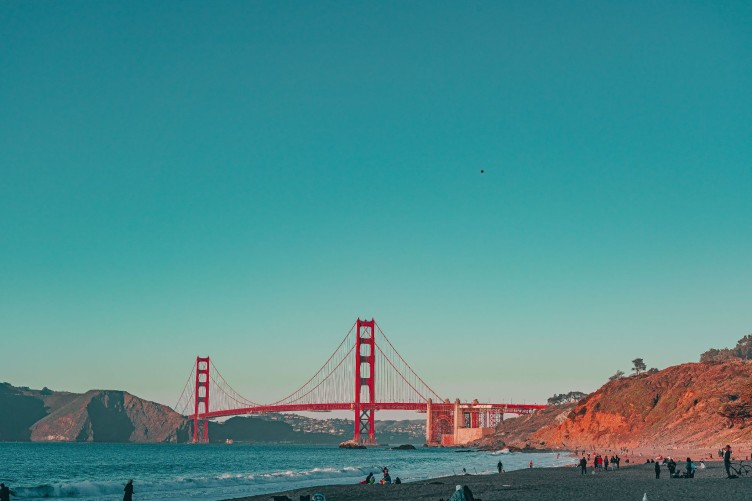
Beyond its iconic landmarks, San Francisco invites travellers to explore a rich cultural landscape shaped by history, diversity and creative expression.
With the advantage of an amiable location on the Pacific Coast, San Francisco’s artistic and cultural identity has been shaped by migration, social movements and creative experimentation. From Indigenous heritage and colonial influences to the counterculture and contemporary art, it has been a nexus of diverse communities, whose traditions, ideas and artistic expressions have contributed to the city's distinctive character. Even today, its cultural milieu reflects this ongoing exchange between different communities. Thus, exploring this cultural side of the city offers an opportunity to discover its many layers of history, creativity and community.
The Multi-Cultural History of San Francisco
Before European settlement, the San Francisco Peninsula was occupied by the Ramaytush Ohlone people, who maintained strong ties with the land through storytelling, dance and music. The Spanish colonisation in 1776 introduced European religious and architectural influences to the Bay area, but also brought displacement, forced labour and the suppression of Indigenous practices. Then the discovery of gold in California in 1848 transformed San Francisco into a rapidly expanding port city, attracting immigrants from across the world.
Credits: San Francisco Travel Association
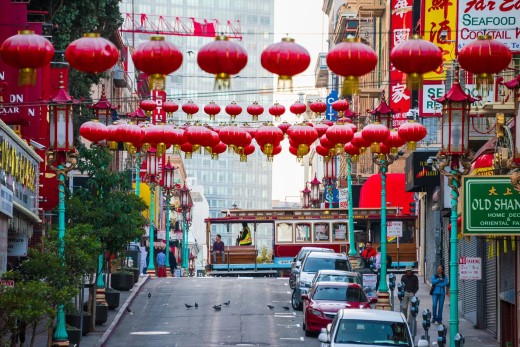
Chinese immigrants, in particular, helped shape its cultural landscape, establishing Chinatown as an important centre of Chinese American life, commerce, festivals and traditions. Japanese, Filipino and other immigrant communities also established neighbourhoods and cultural institutions, contributing to the city's increasingly multicultural identity. The 1915 Panama-Pacific International Exposition showcased art, architecture and international cultures, leaving behind the iconic Palace of Fine Arts. Cultural institutions also gained prominence, including the de Young Museum and the San Francisco Museum of Modern Art (SFMOMA).
Public art also became increasingly significant around this time, exemplified by the murals inside Coit Tower, created in 1934 as part of the Public Works of Art Project. The 1960s brought the counterculture movement. Thousands gathered around ideals of peace, freedom and experimentation. Meanwhile, the Mission District developed a vibrant mural movement during the 1970s and 1980s. Influenced by Mexican heritage and Latin American social movements, artists transformed neighbourhood walls into public canvases exploring cultural identity and social justice.
Exploring San Francisco’s Culture
San Francisco's cultural identity is best discovered through its museums, historic neighbourhoods, independent creative spaces and public art.
1. San Francisco Museum of Modern Art (SFMOMA)
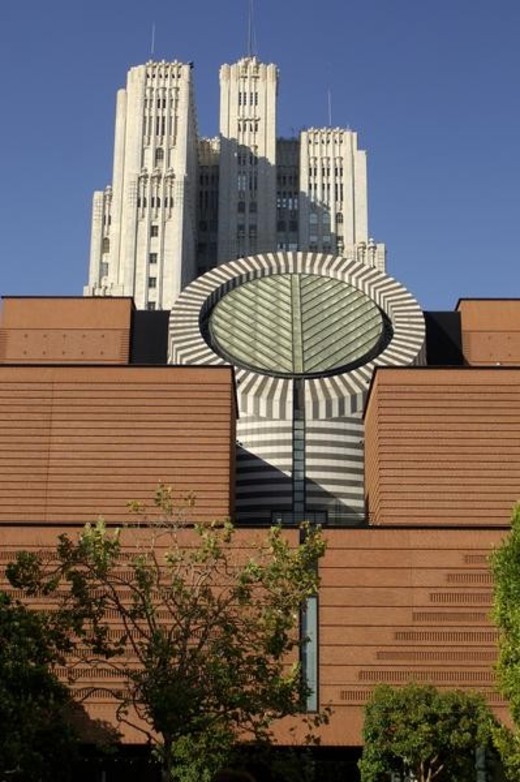
Credits- Christian Heeb
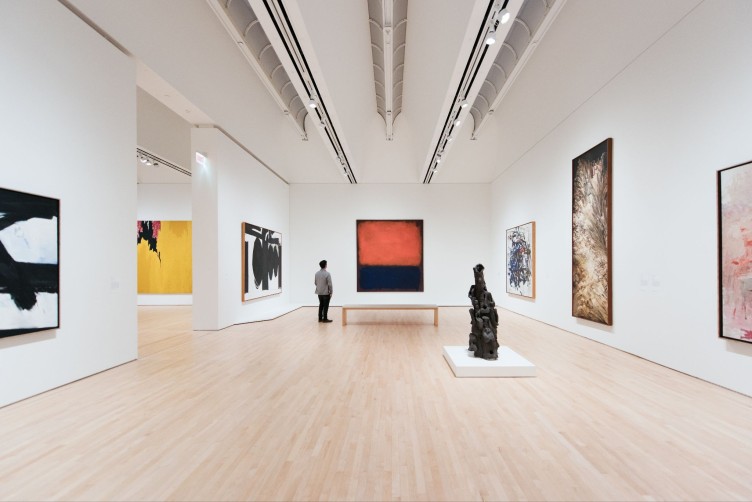
Located in the SoMa neighbourhood, SFMOMA is one of the largest museums of modern and contemporary art in the United States. Its collection spans painting, sculpture, photography, architecture, design and media arts, bringing together works by established international artists and emerging creative voices. Spread across seven gallery floors, the museum offers an opportunity to explore how artistic expression has evolved over the past century and continues to respond to the world around us.
2. de Young Museum
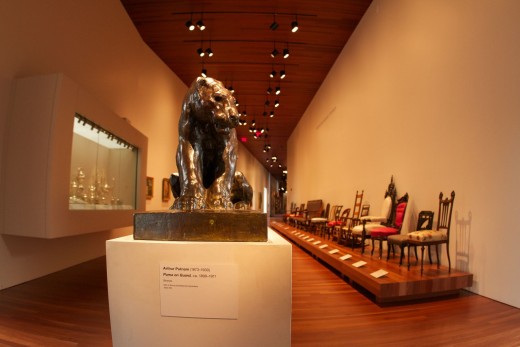
Credits- Visit California & Bongo
Set within Golden Gate Park, the de Young Museum offers a broader exploration of art across cultures and centuries. Its collections include American art from the seventeenth century to the present, alongside works from Africa, Oceania and the Americas, as well as textiles, costumes and decorative arts. A visit here brings together artistic discovery, architectural appreciation and the natural beauty of one of San Francisco's most celebrated green spaces.
3. Murals in Mission District
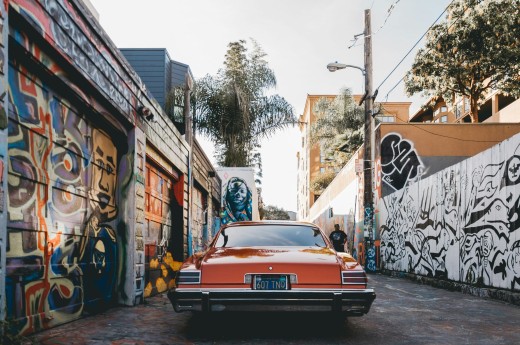
Credits- Unsplash
The Mission District offers an opportunity to experience San Francisco's artistic culture beyond gallery walls. Two particularly notable stops are Balmy Alley and Clarion Alley, where colourful public artworks explore themes of cultural heritage, immigration, identity, inequality and social justice. Created by generations of local artists, these murals serve as visual records of the neighbourhood's experiences and community concerns.
4. Asian Art Museum
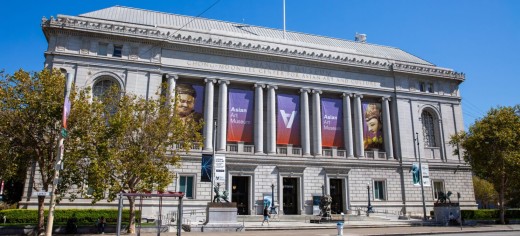
Credits- Asian Art Museum
For a closer look at the artistic traditions of Asia, the Asian Art Museum offers an extensive collection spanning thousands of years and diverse cultures. The museum also reflects San Francisco's longstanding cultural connections with Asia. Its holdings include sculptures, ceramics, paintings, textiles and decorative objects from across the continent, providing insight into the artistic and philosophical traditions that have shaped different societies. Its exhibitions bring historical works into conversation with contemporary artistic expressions.
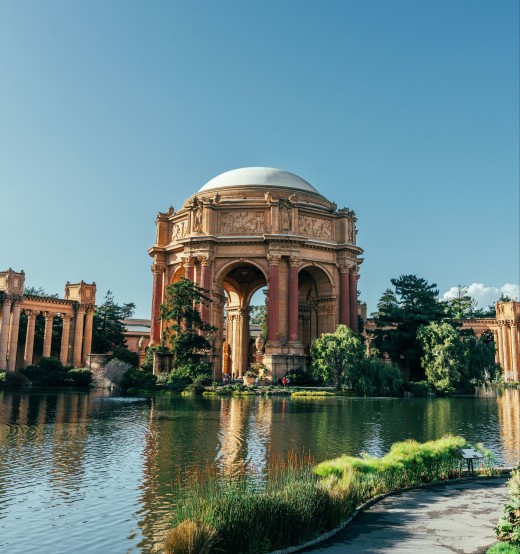
5. Palace of Fine Arts
Credits- Unsplash
An enduring reminder of San Francisco's artistic and architectural ambitions, the Palace of Fine Arts was originally constructed for the 1915 Panama-Pacific International Exposition, which celebrated the city's recovery following the devastating 1906 earthquake. Designed in a grand Beaux-Arts style, its monumental rotunda, sweeping colonnades and tranquil lagoon draw inspiration from classical architecture. Although initially conceived as an exhibition structure, it was subsequently restored and rebuilt as a permanent structure, and remains one of the city's most recognisable landmarks.
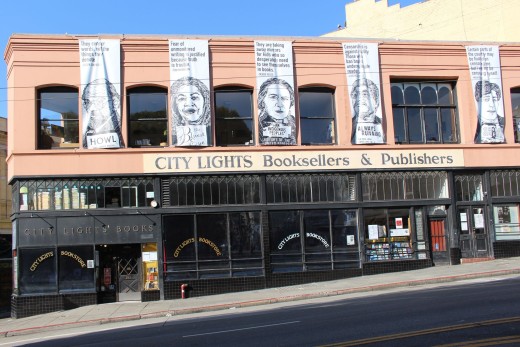
6. City Lights Bookstore
Credits- Wikimedia Commons
Situated in North Beach, City Lights Bookstore is an important landmark in San Francisco's literary history. Founded by Lawrence Ferlinghetti and Peter D. Martin, it became a gathering place for writers associated with the Beat Generation, including Allen Ginsberg and Jack Kerouac. Its publishing arm played a significant role in bringing alternative literature and unconventional ideas to a wider audience, most notably through the publication of Ginsberg's Howl. Today, the independent bookstore continues to welcome readers with its extensive collection of poetry, fiction, political writing and literary works.
San Francisco offers a cultural experience that is as varied as the communities that it shelters. Exploring these spaces offers insights into the ideas, histories and creative influences that continue to define its character.
Cover Credits: San Francisco Travel Association