Nikita Dubey
26-Oct-2026
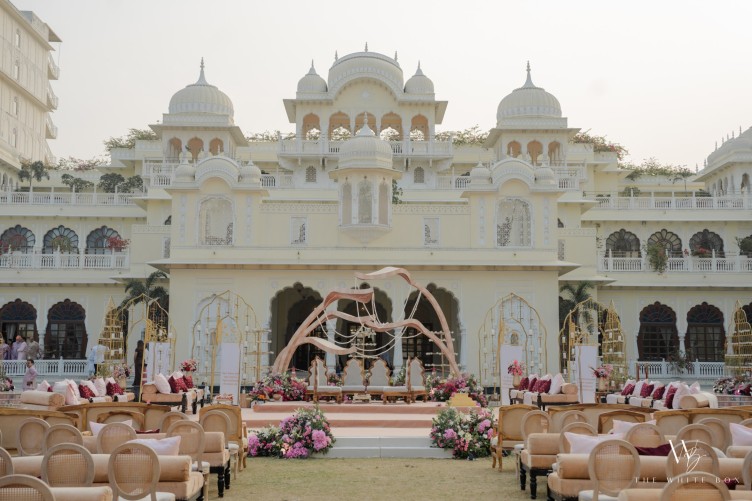
From fragrances inspired by a couple’s first meeting to food that brings back a favourite memory, weddings are becoming more personal by engaging the senses.
By Nikita Dubey, Founder, Shubhtithi Weddings
When couples come to us, they rarely ask for a multisensory wedding. What they tell us is that they want their guests to feel their story.
Over the years, we have realised that some of the most meaningful ways to tell that story lie in the senses. A wedding may be remembered for its décor or the grandeur of its setting, but it is often the smaller details that stay with people long after the celebrations are over. A familiar fragrance, a taste associated with a favourite place or the feel of something thoughtfully created can bring a memory back in an instant.
This has changed how we approach wedding planning at Shubhtithi. Instead of thinking only about how a celebration will look, we also consider how it will smell, taste and feel. The idea is to create experiences that are personal to the couple and meaningful to the people sharing the occasion with them.
The Lasting Power of Scent
Of all the senses, scent has a particularly personal connection with memory. A familiar fragrance can take someone back to a place, a person or a moment without much effort. This makes it a meaningful way to bring a couple’s story into their wedding.
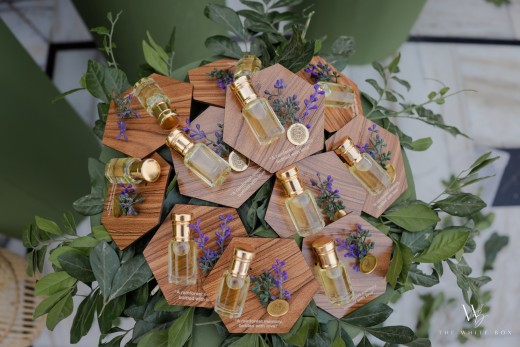
One couple we worked with had met and fallen in love at a coffee shop. For their wedding, we introduced a soft coffee-scented fragrance along the walkway. As they walked towards each other, the scent brought back a reminder of where their story had begun. The experience extended beyond the wedding itself, with guests taking home candles designed to look like cappuccinos.
For another couple who shared a deep love for the rain, we created a first-rain fragrance as a giveaway for every guest. The smell of wet earth after the first shower is familiar to so many of us in India. By incorporating it into their wedding, the couple gave their guests something that could bring the celebration back to mind long after the event.
These details do not need to be elaborate to be memorable. What matters is the thought behind them and the connection they create between the experience and the people at its centre.
When Food Becomes Part of the Story
Food has always been central to Indian weddings, but its role is changing. Beyond offering variety, couples increasingly want the food and beverage experience to reflect their personalities, interests and memories.
For one couple, we recreated a chocolate and strawberry station inspired by a well-known street stall in London that they loved. For another, whose carnival celebrations were built around a Dutch theme, we served freshly made stroopwafels.
In both cases, the food was connected to something the couple wanted to share. Guests were not simply choosing something to eat; they were getting a glimpse into a place or experience that held meaning for the couple.
This is what makes a thoughtfully planned food experience different from simply adding more counters to a wedding. When a dish, a flavour or a food station has a story behind it, it becomes part of the celebration rather than just another element of the menu.
The Details We Feel, Not Just See
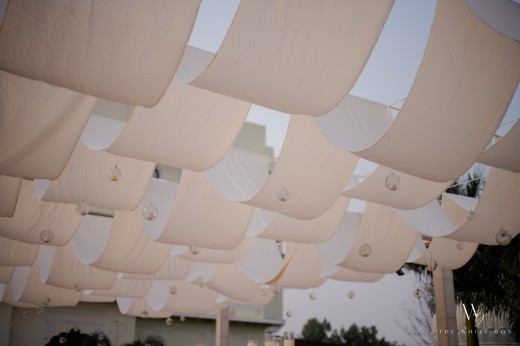
Touch is perhaps one of the most overlooked senses in wedding planning. Décor is often discussed in terms of colours, flowers, lighting and visual impact, but the way a space feels can be just as important.
At Shubhtithi, we pay attention to details such as handwoven fabrics on seating, textured paper for invitations and cool, scented towels offered to guests as they arrive for summer functions. We also explore live customisation stations where guests can watch an artisan create something specifically for them.
These details serve different purposes, but they share one thing: they invite guests to engage with the celebration beyond simply looking at it. A textured invitation feels different in the hand. A cool towel can offer welcome relief in the summer heat. Watching something being made in front of you creates a moment of curiosity and connection.
Often, these are the details that encourage guests to slow down and take in their surroundings. They may not be the most photographed elements of a wedding, but they contribute to how comfortable, involved and present people feel.
Making Space for a More Personal Experience
Weddings can be long, busy and overwhelming, particularly when several functions, large guest lists and elaborate productions come together. In such settings, it is easy for the celebration to become focused on what is happening on stage or how everything appears in photographs.
Designing for the senses offers another way to approach the experience. A familiar fragrance can evoke a personal memory, a thoughtfully chosen dish can start a conversation, and a tactile detail can make a guest feel considered. Together, these elements can make a large celebration feel more intimate.
The key is not to engage every sense at every moment, but to choose details that have a reason to be there. A multisensory experience works best when it feels natural to the couple’s story, rather than something added simply because it is different.
For us, the most successful weddings are those where these details come together seamlessly. Guests may not always recognise each decision that went into creating the experience, but they feel the difference.
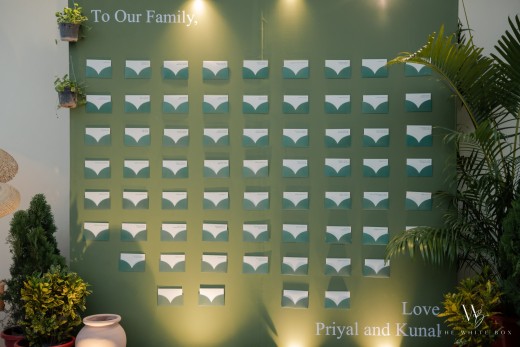
Beyond the Photograph
Wedding photographs will always be an important part of preserving a celebration. But a photograph can capture only one part of an experience. It can show the setting, the flowers or the people in a moment, but it cannot fully recreate the fragrance in the air, the taste of a favourite treat or the feeling of being welcomed into a thoughtfully designed space.
At Shubhtithi, we believe a wedding should be remembered for more than how it looked. It should bring back the emotions, the memories and the small details that made it personal.
Ultimately, creating a multisensory wedding is not about doing more. It is about thinking more carefully about what each experience means to the couple and their guests. When the senses become part of the storytelling, a celebration can leave behind something more lasting than a beautiful photograph: a feeling that people can return to long after the wedding is over.

Dr. Sonia Tekchandani