Pranjal Shah
14-Aug-2026
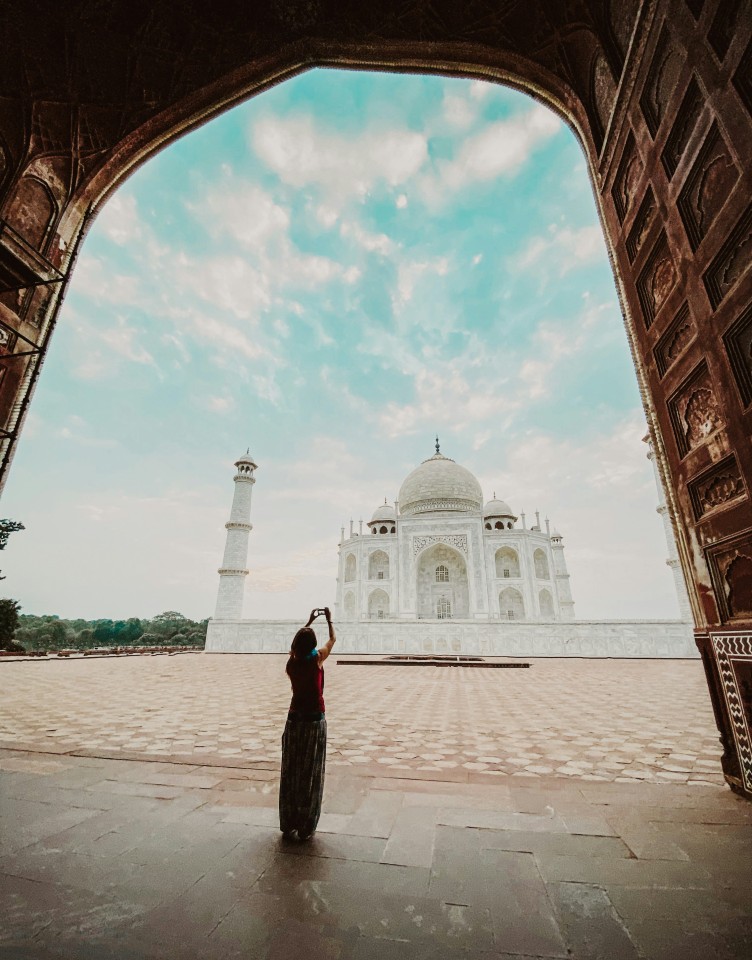
As India celebrates Independence Day, we revisit the ideas, innovations and traditions that originated here and continue to influence the world.
As India celebrates another Independence Day, there is much to look back on—not only the milestones of a young nation, but the ideas, traditions and ingenuity that have shaped its civilisation for millennia.
Long before India became a modern republic, it was already creating, refining and sharing things that would eventually travel across borders and become part of the world’s collective cultural vocabulary. Some have been adopted by the world; others have been reinterpreted by global fashion, hospitality and wellness industries. This Independence Day, we look at some of the things India did first—and the enduring influence they continue to have on the world.
Madras Checks
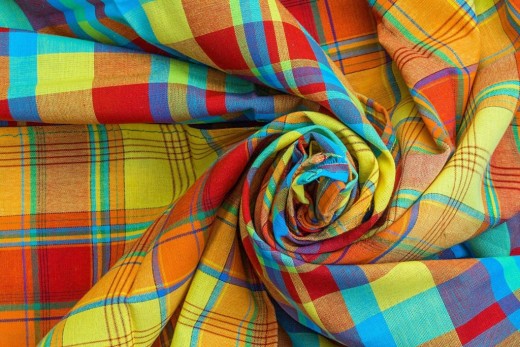
Before Madras checks became a preppy staple in American fashion, the colourful, lightweight cotton was being handwoven along India’s Coromandel Coast. Its naturally dyed yarns gave the fabric another distinctive characteristic: the colours could bleed and change with washing, eventually giving rise to the famous “Bleeding Madras” label. What became an Ivy League fashion favourite was, at its origins, an Indian textile made for hot climates and everyday use.
Kohlapuri Chappal
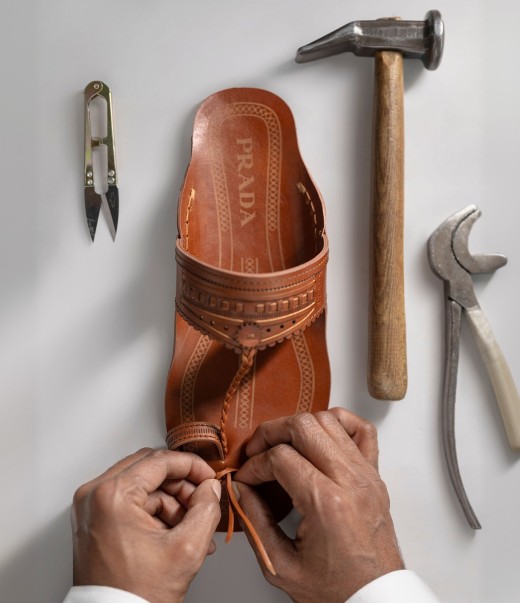
This leather sandal, handcrafted by artisans in Maharashtra and Karnataka, raised outcry when Prada unveiled identical sandals on the Milan runway in June 2025. The ultraluxury brand later credited the centuries-old Indian tradition. With distinctive braided designs, vegetable-tanned leather and techniques passed down through generations, the footwear has permeated international haute couture with a distinctly Indian flourish.
Yoga

Few Indian traditions have travelled as successfully across cultures as yoga. Far more than a modern fitness routine, yoga developed in India as a philosophical and spiritual practice encompassing physical postures, controlled breathing, meditation, chanting and the pursuit of mental and spiritual wellbeing. Today, it is practiced around the world, making it one of the clearest examples of India influencing everyday life far beyond its borders.
Buttons
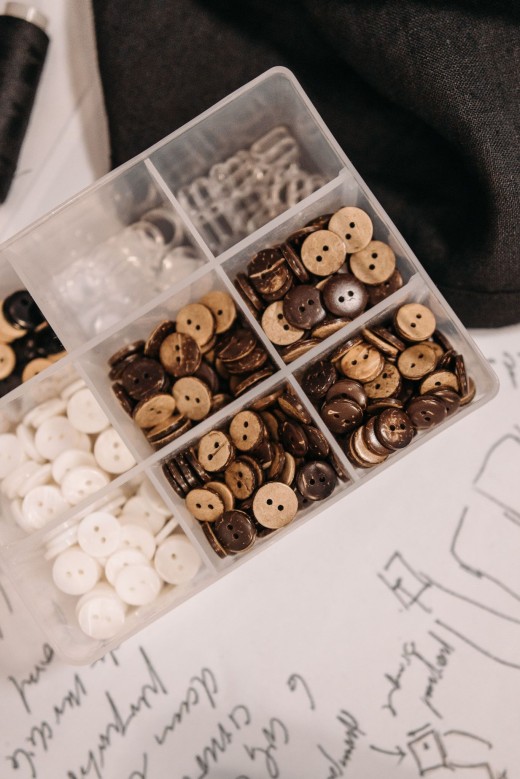
India may not have invented the modern buttonhole-and-button fastening system, but some of the earliest known button-like objects come from the Indus Valley Civilisation, with examples dating back roughly 5,000 years. Made from materials including shell and shaped with perforations, they appear to have been used as ornaments or status symbols, laying the foundations for the functional fasteners we know today.
Chess
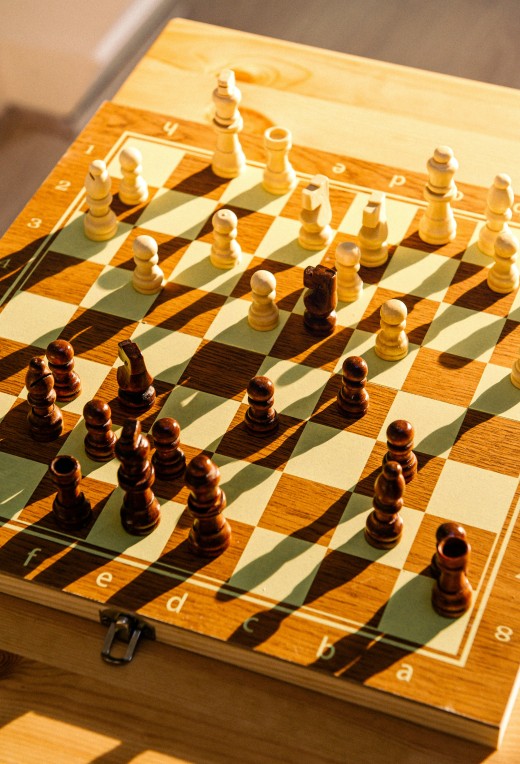
One of the world’s most enduring strategy games traces its origins to ancient India, where a precursor known as chaturanga emerged around the 6th century CE. Played on an 8×8 board, the game reflected the four divisions of an Indian army—infantry, cavalry, elephants and chariots. The game travelled to Persia, where it developed into chatrang, and subsequently, shatranj in the Islamic world, before spreading into Europe. Over centuries, its rules and pieces have evolved, but the fundamental game has survived to become the chess we know today.
Ayurveda
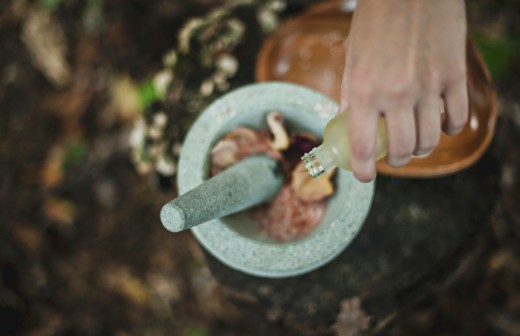
Ayurveda is a comprehensive tradition centred on health, prevention, diet, herbs and the relationship between body and mind. It evolved in India as a distinct medical system, with its intellectual roots associated with Vedic traditions. Today, Ayurveda is increasingly finding a place far beyond India. Wellness retreats, luxury hotels, spas and health organisations around the world are incorporating Ayurvedic therapies, treatments, consultations and practices into their roster.
Shampoo

The word “shampoo” has Indian origins. It comes from the Hindi ch?mpo, the imperative of ch?mpn?, meaning to press, knead, or massage. When the word entered English in the 18th century, “shampooing” referred to a massage rather than washing hair. Over time, the meaning shifted, shampoo was being used for washing hair. So India gave the world both, the word and the practice from which it evolved.
Dior’s Fall/Winter 2026-27 Jewellery Collection
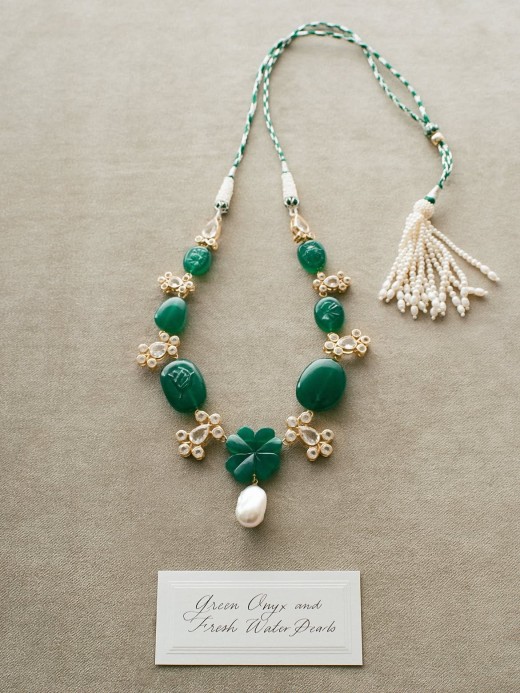
Dior’s Fall/Winter 2026–27 Haute Couture collection put Jaipur’s centuries-old jewellery craftsmanship on the Paris runway, with much of the jewellery created in collaboration with artisans in the city. The collection reimagines traditional forms in mother-of-pearl, rock crystal and carved green onyx, with pieces strung on hand-braided dori cords. The collection also drew inspiration from the Mughal Mirror Diamond Necklace, a jewel associated with the reign of Shah Jahan, transplanting elements of India’s royal jewellery heritage into contemporary haute couture.
Classification of Acoustic Instruments
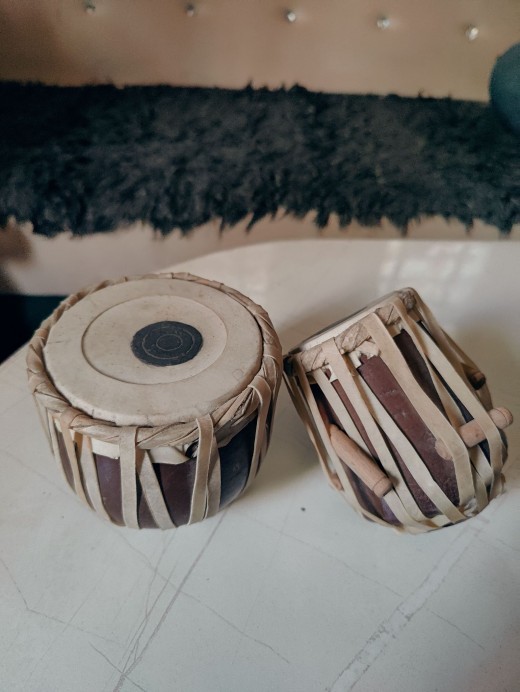
India was classifying musical instruments by how they produce sound centuries before modern acoustics gave the system a scientific vocabulary. The Natya Shastra, the foundational Sanskrit treatise on Indian performing arts, divided instruments into four categories: tata (stringed), sushira (wind), ghana (solid/idiophonic) and avanaddha (membranophones). Remarkably, this four-fold system corresponds closely to the modern classification of musical instruments: chordophones, aerophones, idiophones, and membranophones.
Across centuries, Indian ideas and craftsmanship have crossed borders, been adopted by other cultures and, in some cases, become so universal that their origins are easily forgotten. This Independence Day, perhaps one of the most fitting ways to celebrate India is to look beyond its freedom struggle and remember the ideas which remind us of the rich intellectual and creative legacy of our country.