Rudraksh Charan – Founder and Architect, 42MM Architecture
06-Feb-2026
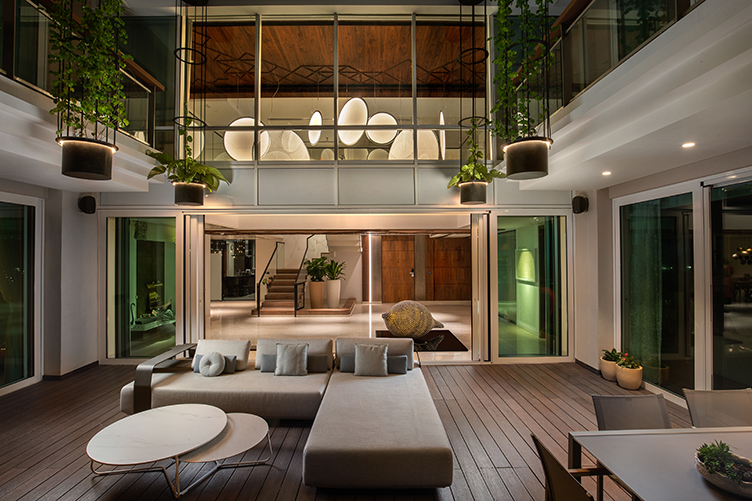
With so much stimulation around, creating a space that helps you relax and slow down is the need of the hour!
In 2026, interiors are no longer just places to live or work: they are active participants in well-being. Every architectural decision, from light and material to greenery and technology, is now measured by how it restores, grounds, and connects people to nature. Wellness-driven interiors are deliberate, thoughtful, and deeply human.
1. Natural Light Shapes the Rhythm of Life
Light is the most immediate connection between humans and nature. Carefully placed windows, skylights, and clerestories flood interiors with daylight, defining volumes and creating a natural progression through time and space.
2. Greenery Becomes Architecture
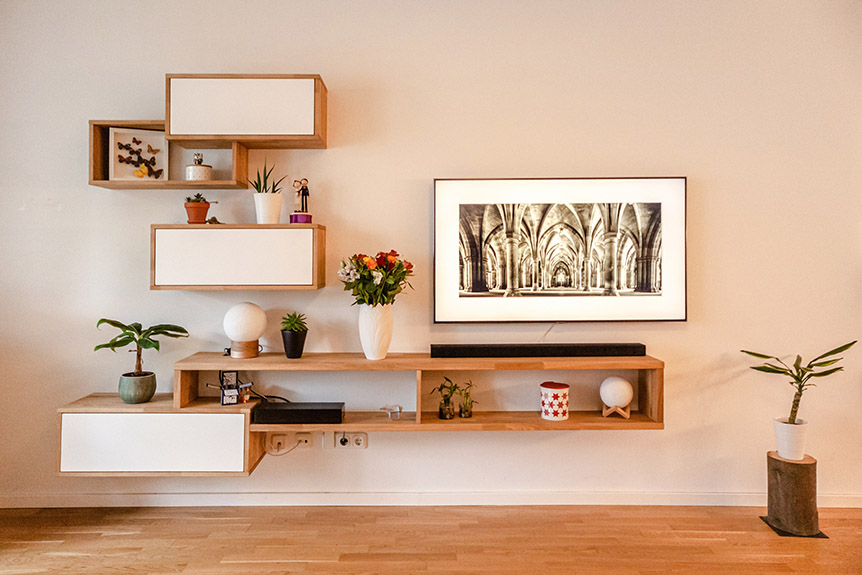
Plants are no longer decorative: they are structural, spatial, and restorative elements. They can act as:
Greenery softens edges, organises circulation, and enhances air quality, creating interiors that feel vibrant, grounded, and in rhythm with natural life.
3. Materials Connect People to the Earth
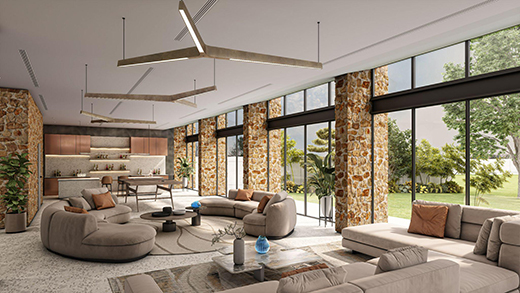
Every surface communicates presence and scale. Interiors embrace earthy tones, muted palettes, and raw textures. Timber, stone, clay, and plaster are chosen for authenticity, tactility, and timelessness. These materials interact with light and shadow, emphasise human scale, and calm the senses, turning interiors into spaces where occupants feel anchored and restored.
4. Technology Supports Comfort Invisibly
Comfort should never compete with design. Automated air conditioning maintains 23°C consistently, while adaptive lighting shifts to match activity and mood, balancing productivity and relaxation. Technology is subtle but precise, enhancing wellness while remaining invisible, letting architecture and natural elements lead the experience.
5. Architecture Bridges Inside and Outside
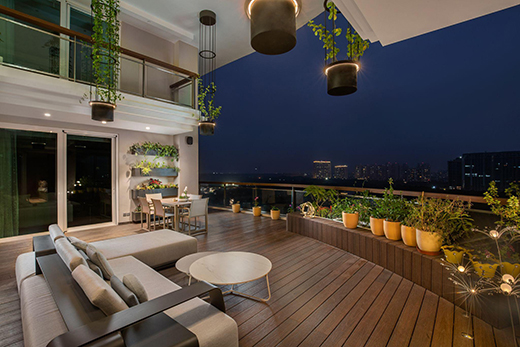
The boundary between interior and exterior is intentional. Openings, terraces, and transitional zones invite air, light, and views, while art and sculptural elements at thresholds create moments of pause, marking the shift between environments.
These connections expand perception, reinforce human scale, and strengthen our bond with nature, making architecture itself restorative.
Wellness-driven interiors in 2026 do more than house activity; they actively nurture life. Thoughtful light strategies, layered greenery, tactile materials, seamless technology, and spatial continuity create environments that restore, focus, and energise. In these spaces, architecture is not passive – it takes care of people and elevates everyday living.
All Image Credits: 42MM Architecture

By Ar. Rajkumar...

By Smriti Choudhary