Kritika Goswamy Malik
13-Apr-2026
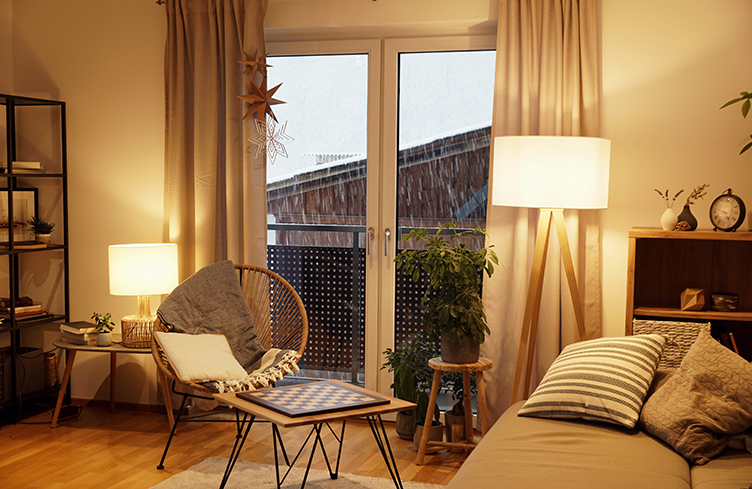
Moving beyond aesthetics, today’s homes are being shaped by how they feel—redefining luxury, personalisation, and the way we live.
Inputs by: Kritika Goswamy Malik, Founder, House of December
For years, home design revolved around objects—what we owned, displayed, and curated to signal taste. Furniture was chosen for form, décor for visual appeal, and spaces were styled to impress. But increasingly, it’s becoming clear: homes aren’t remembered for what they contain but for how they make us feel.

(Kritika Goswamy Malik)
A Shift Towards Emotion
At its core, a home is deeply personal. It holds routines, transitions, and moments of pause. Yet, design has long prioritised aesthetics—colour palettes, materials, and finishes—without fully considering the emotional experience of living within a space. That is now changing.
Homeowners today are looking for spaces that reflect not just their taste, but their way of life. There is a growing awareness that design is not simply about how a home looks when it is complete but how it evolves over time—how it adapts to different moods, moments, and needs.
Redefining What Luxury Means
This shift is also reshaping our understanding of luxury. Once defined by scale and opulence, luxury is increasingly being redefined through a quieter, more thoughtful lens—comfort, ease, and emotional resonance. The ability of a space to feel calm, intuitive, and lived-in is becoming as important as how visually impressive it appears.
There is also a growing move away from uniformity. Homes are becoming more individual. There is a greater appreciation for pieces that carry meaning—whether it is something handcrafted, something inherited, or something discovered over time. These elements bring a sense of narrative into a home, making it feel layered rather than styled.
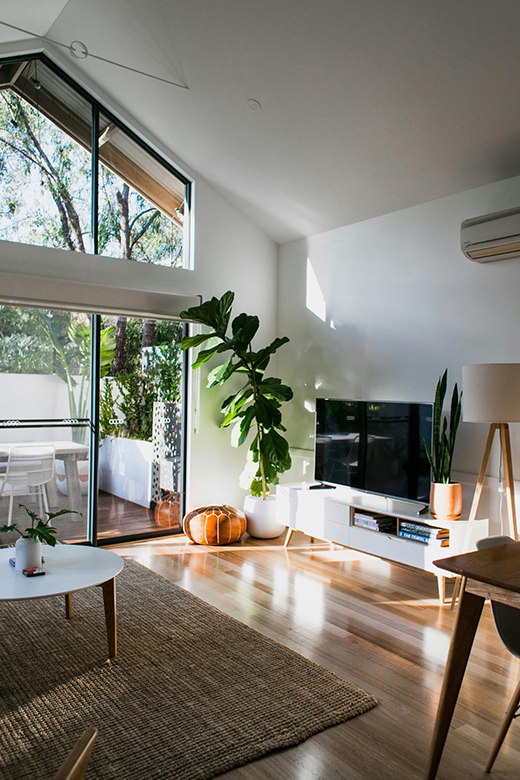
At the same time, mindful design is gaining ground. As conversations around sustainability grow, homeowners are choosing materials and objects more intentionally, valuing longevity as much as aesthetics. A thoughtfully designed space doesn’t just age well—it continues to feel relevant.
Designing for the Way We Live Today
The way we use our homes has changed. Spaces now need to accommodate work, rest, and social interaction, often all at once. This has made flexibility key—homes must transition seamlessly without losing their sense of calm.
Globally, the most compelling interiors today are not the most elaborate but the most considered. They focus on subtleties—how light moves, how textures interact, how spaces flow. India is now seeing a similar evolution. As homeowners become more aware and intentional, there is a growing demand for spaces that go beyond functionality and aesthetics—spaces that feel grounding, personal, and deeply connected to those who inhabit them.
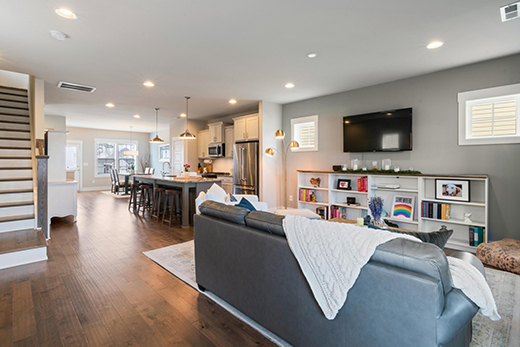
Ultimately, designing a home is not about assembling objects—it is about shaping experiences. It is about creating a space where one can return, pause, and feel a sense of belonging. And perhaps that is where the future of design lies—not in what we see, but in what we feel.
Cover Credits: istock