Dr. Geeta Grewal
15-Jan-2026

The true art of rejuvenation - learn how to age well under proper medical guidance
For decades, aesthetic medicine was measured by visibility. Smoother foreheads. Sharper jawlines. Fuller lips. The success of a treatment was often judged by how quickly it could be noticed. But as the industry matures and as patients themselves grow more informed, we are witnessing a quiet but decisive shift. The future of aesthetics is about preservation. It’s all about refinement and coherence.
Subtle enhancement is a recalibration of how we understand ageing itself. The ‘looking done’ era is thankfully over and what is really picking momentum is ‘this is how I magically woke up this morning’ look which is younger, fresher and less done with us working very hard with the patient to make them look like old money aesthetic with skin that looks and feels super expensive!
What does Ageing Actually Mean?
Ageing is not a single event that happens to the face. It is a layered biological process that unfolds across skin, fat, muscle, bone, hormones, and metabolism. When these layers change at different speeds, the face begins to look tired, drawn, or prematurely aged even if the individual is otherwise healthy. True rejuvenation, therefore, cannot rely on isolated interventions. It requires an integrated medical approach that respects anatomy, timing, and restraint.
This is why modern aesthetic practice has moved decisively away from aggressive overcorrection. Over the last decade, we saw the consequences of chasing instant results with overfilled faces, frozen expressions, and treatments that aged patients rather than refreshed them. Today, patients are asking a more sophisticated question: How can I look like myself, only healthier, stronger, and more rested?
The answer begins with skin.
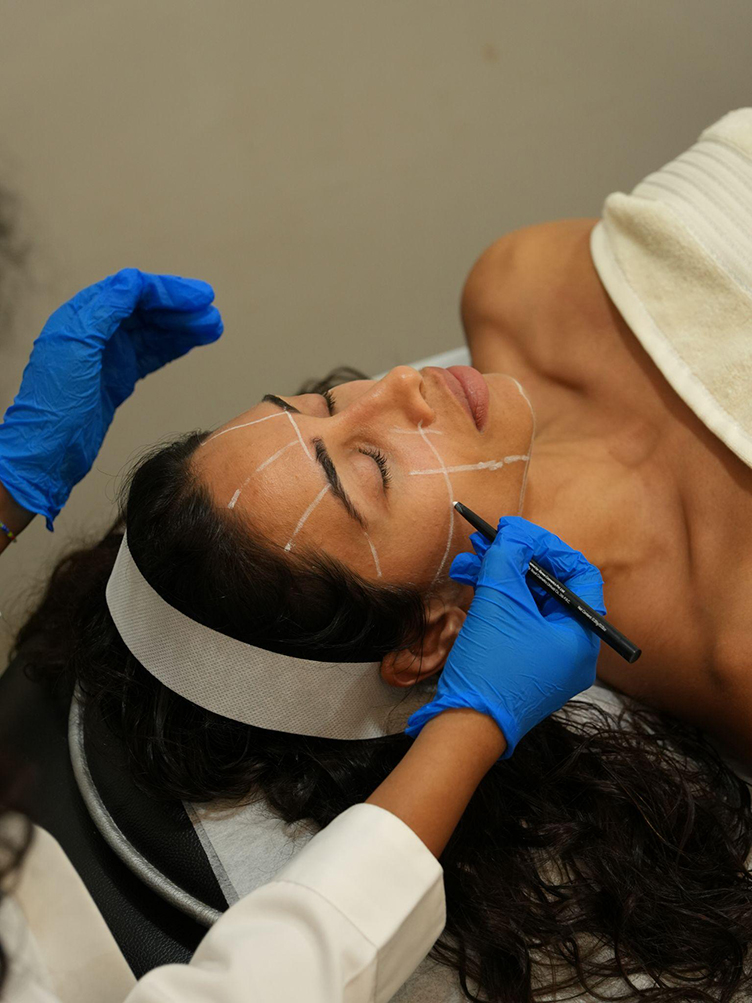
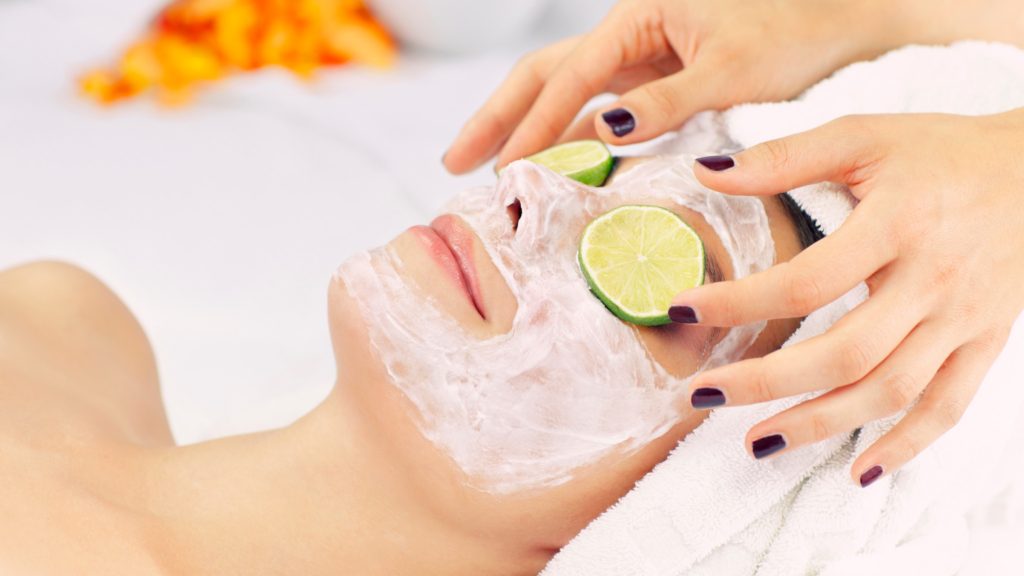
Skin quality is the most reliable indicator of youth. Texture, hydration, elasticity, pigmentation, and luminosity matter far more than volume. Treatments that stimulate the skin’s own regenerative capacity such as microneedling, Dermapen-based collagen induction, LED light therapy, laser skin rejuvenation, and carefully designed medical facials work cumulatively, strengthening the dermal matrix rather than masking its decline. These interventions improve tone, refine pores, soften pigmentation, and restore vitality without altering facial identity.
Pigmentation protocols, acne-control treatments, and age-defence medical facials are preventive medicine for the skin. When the skin barrier is healthy and resilient, fewer corrective procedures are required later.
Injectables, too, have evolved. Botox today is more about rebalancing muscles. When used judiciously, it softens hyperactive expressions while preserving movement and character. Fillers are no longer tools for “plumping” but for restoring anatomical harmony … whether through under-eye correction to reduce hollowness, jawline contouring to re-establish structure, non-surgical chin augmentation for facial proportion, or lip enhancement that respects natural shape and symmetry. PDRN to refresh under eyes has shown some promising results too.
Thread lift treatments and non-surgical lifting techniques now focus on support rather than suspension reinforcing tissue where laxity has begun, not dragging it into unnatural positions. The objective is quiet lift, not visible intervention.
At the same time, regenerative aesthetics has emerged as one of the most important pillars of modern rejuvenation. PRP skin treatments improve texture, elasticity, and radiance by activating the body’s own repair mechanisms. PRP hair treatments strengthen follicles, slow shedding, and improve hair density without reliance on harsh chemicals or invasive procedures. These treatments acknowledge a simple truth: the body heals best when guided.
This philosophy has become particularly relevant as medical weight-loss solutions gain wider acceptance. Rapid fat loss whether through metabolic therapies or lifestyle interventions often brings unintended aesthetic consequences: facial hollowing, skin laxity, hair thinning, and a prematurely aged appearance. While weight loss may be medically necessary or beneficial, it must be accompanied by a parallel aesthetic plan.
Sagging skin treatments, collagen-stimulating procedures, laser tightening, and where appropriate fat-removal or body-contouring techniques help the body adapt gracefully to change. Intravenous therapy and vitamin infusions address the nutritional depletion that often accompanies rapid weight loss, supporting skin, hair, and overall vitality from within.
Hair and facial framing have also taken on renewed importance. Healthy hair, balanced brows, and proportionate facial contours subtly signal youth and well-being. PRP hair therapy, laser hair reduction where required, and microblading are a part of a holistic aesthetic framework that prioritises balance over exaggeration.
Even traditionally event-driven treatments, such as pre-bridal makeovers, have undergone a transformation. The modern bride no longer wants dramatic last-minute fixes. Instead, she seeks progressive skin improvement, controlled injectables, hair and wellness support, and subtle refinement planned months in advance. The goal is to look radiant, confident, and entirely herself.
What defines subtle enhancement is not minimalism for its own sake, but intention. It is the discipline of knowing when to intervene and when to wait. It is the understanding that not every line needs filling, not every movement needs freezing, and not every change needs correcting. Sometimes, the most powerful aesthetic decision is to strengthen what already exists.
As we look toward the future of aesthetic medicine, success will be seen in how effortlessly someone carries their age, how rested they appear without obvious intervention, and how confidently they inhabit their face and body.
Cover Credits: iStock