Dr. Kashish Kalra
09-May-2026
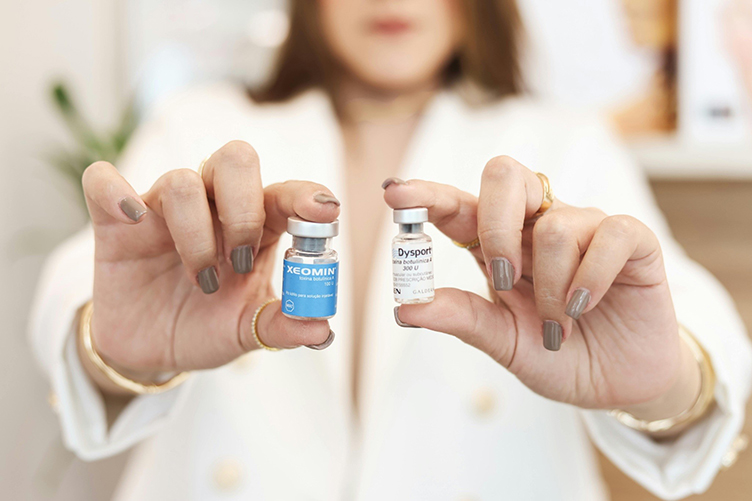
As preventive Botox gains popularity among younger consumers, an expert weighs in on whether early intervention is a proactive approach to ageing — or a reflection of growing beauty pressures shaped by social media and unrealistic perfection.
Inputs by: Dr Kashish Kalra, Hair Transplant Surgeon & Founder of Dr Kalra Skin Clinic
Before judging the trend, it’s important to understand what Botox actually is. Derived from botulinum toxin, it works by blocking acetylcholine at the neuromuscular junction. In simple terms, it temporarily relaxes targeted muscles so they don’t contract as strongly. Since repeated muscle movement creates expression lines, this relaxation helps soften or delay the formation of wrinkles.
There are two types of wrinkles to consider: dynamic and static. Dynamic wrinkles appear only when you make facial expressions like frowning or smiling. Over time, these can transition into static wrinkles, which are visible even at rest. Botox is most effective at the dynamic stage. Once lines become static, their role becomes limited.
This is where “preventive Botox” enters the conversation. The idea is simple: treat dynamic lines early, typically in the late 20s or early 30s, before they become permanently etched into the skin. But here’s the nuance: it’s not about age; it’s about pattern. Someone in their early 20s with strong facial expressions or visible early lines may be a candidate, while someone in their 30s with minimal movement lines may not need it at all.
Skin type also matters. Individuals with lighter, more sun-sensitive skin types often develop fine lines earlier. In contrast, Indian skin, richer in melanin, tends to show wrinkles later, offering some natural protection. This means the “preventive” window can vary significantly from person to person.
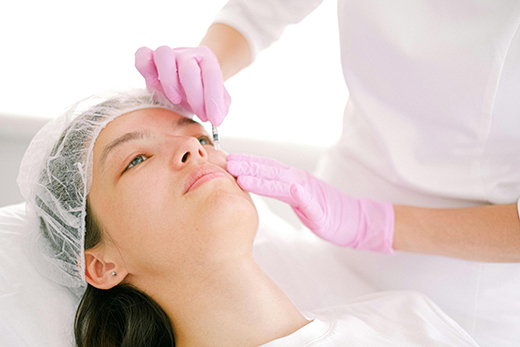
However, the rise of preventive Botox isn’t purely medical—it’s also cultural. Social media platforms like Instagram have amplified beauty standards where even a single line can feel unacceptable. This has led to younger individuals seeking treatments not out of need, but out of perceived pressure. Over time, this can create a cycle of dependency, where natural expressions start to feel undesirable.
There are also limitations and risks. Overuse can result in a “frozen” appearance, reduced facial expressiveness, and even muscle thinning with prolonged, excessive use. When done incorrectly or too frequently, the results can look unnatural.
Most importantly, Botox is not a complete anti-ageing solution. It targets only one aspect, wrinkles. It does not address skin laxity, volume loss, pigmentation, or texture changes. Ageing is multi-dimensional, and no single treatment can manage it entirely. So, is preventive Botox smart skincare or subtle pressure? The answer lies in intent and individuality. When used judiciously in the right candidate, it can delay wrinkle formation. But when driven by unrealistic beauty standards, it risks becoming more about conformity than care.
Cover Credits: Pexels

Dr. Vidushi Jain,...