Dr. Aisshwarya Panddit
20-Feb-2026

What actually works, what doesn’t, and the patterns I’ve seen treating high-profile clientele and public-facing professionals—an expert answers
Inputs by: Dr Aisshwarya Panddit, Celebrity Cosmetic Doctor & Founder, AuraEdge Aesthetic & Wellness
In my practice, I often meet individuals at two very different stages of awareness. Some arrive in their early 30s wishing they had started sooner. Others, still in their 20s, already understand that the most refined aesthetic outcomes are rarely corrective. They are preventive.
Treating high-profile clientele and public-facing professionals has reinforced one consistent truth for me: the most elegant faces are not the most altered ones. They are the ones that have been quietly protected over time.
Preventive skin health is not about aggressive treatments or dramatic changes. It is about preserving what is already working well, strengthening what is beginning to decline, and knowing when restraint is more powerful than intervention.
Your 20s: Building the Foundation
The skin in your 20s is resilient. Collagen production is strong, healing is efficient, and the face retains its natural structure. This decade is not meant for overcorrection. It is meant for discipline.
What truly makes a difference at this stage is consistency. Daily sun protection is non-negotiable. Barrier support through balanced skincare is more important than layering multiple actives. Early acne management prevents years of textural damage. Sleep, stress regulation, and metabolic health show up on the skin far more visibly than people realise.
One of the most common mistakes I see in younger patients is over-enthusiasm. Over-exfoliating, experimenting with trending treatments, and self-prescribing actives without medical guidance can quietly weaken the skin barrier. In the pursuit of glow, they often create sensitivity, pigmentation, and inflammation.
Good prevention in your 20s should feel almost invisible. If your face looks drastically different, you are likely doing too much.
The Injectable Conversation: Myth Versus Medicine
There is also a growing misconception around injectables among Millennials and Gen Z. On one end, they are feared. On the other, they are overused.
When performed ethically and conservatively, preventive neuromodulation can reduce repetitive muscle strain before lines etch deeply into the skin. The key is subtlety. The goal is not to freeze expression but to maintain balance.
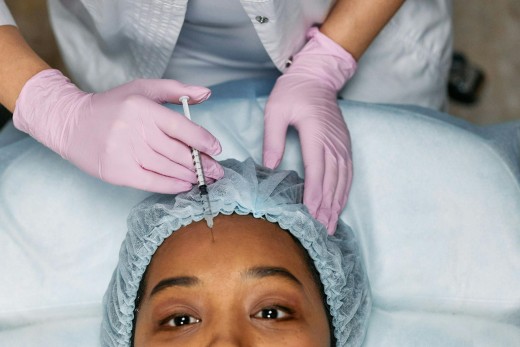
What concerns me more is the premature use of fillers. Fillers are corrective tools, not preventive ones. When introduced too early or in excess, they disrupt natural facial proportions and can create long-term dependency rather than longevity.
I often remind my patients that prevention should never be obvious. If people can tell you have had something done, it is no longer preventive. It is performative.
Your 30s: Supporting Collagen and Structure
The 30s bring quieter changes. Collagen production gradually slows. Hormonal shifts, urban stress, screen exposure, and lifestyle inflammation begin to reflect in pigmentation, dullness, and early laxity.
This is where thoughtful intervention can make a meaningful difference. Collagen-stimulating procedures, regenerative treatments, and medically guided pigmentation control help maintain skin density and clarity. When necessary, conservative muscle relaxation can prevent expression lines from becoming static.
With public-facing professionals, discretion is essential. Their work demands presence and visibility, but never exaggeration. The goal is always refinement. Looking rested. Looking healthy. Looking like yourself on your best day.
The Rise of Preventive Aesthetics as Wellness
What I find encouraging is the shift in mindset. Increasingly, younger patients are not seeking dramatic transformation. They are seeking longevity.
Preventive aesthetics today is intertwined with wellness. It includes supporting the skin barrier, managing inflammation, respecting facial anatomy, and understanding that ageing well is more powerful than appearing artificially younger. In this framework, aesthetic medicine becomes an extension of self-care rather than vanity. It aligns with confidence and personal maintenance, not insecurity.

Drawing Ethical Boundaries
In the age of filters and accelerated beauty trends, medical responsibility becomes even more important. Not every 23-year-old needs injectables. Not every fine line requires correction. And not every viral treatment deserves clinical endorsement.
As doctors, we must practise with restraint. The most powerful treatment plan is often the most minimal one. The individuals who age most gracefully are rarely the ones who chase trends. They are the ones who commit to long-term maintenance, measured intervention, and realistic expectations.
Healthy skin is quieter than social media.
Consistency is more powerful than intensity.
Subtlety will always outlast spectacle.
If you are in your 20s or 30s, the real question is not how much you should do. It is how intelligently you want to age. Because the most sophisticated aesthetic result is not transformation. It is preservation.
Cover Credits: Instagram @aneetpadda_