GlobalSpa
02-Sep-2022
Experienced by each one of us either occasionally or regularly, greasy hair must be treated by developing a beauty routine that can help you maintain your hair and retain its natural shine. Dr. Abhishek Pilani, MD Dermatologist, Founder- Assure Clinic, tells you how.

Dermatologists suggest that greasy hair is a condition caused due to overactive sebaceous or oil glands in our scalp. These glands secrete moisturizing oil that create a protective layer on your scalp and keep it safe from harmful external factors including germs and dirt to help hair stay soft, elastic and manageable. While this oil production is controlled by hormones, other factors such as change in weather, stress, and diet can also affect it and may trigger an increase of scalp oil beyond acceptable levels. And this is exactly where the trouble begins.
Causes of a greasy scalp
Below mentioned are some of the most common causes of greasy hair:
Dandruff: Dandruff is a condition that inflames our scalp and makes it greasy. It can result from an allergic reaction or an autoimmune condition. However, dandruff is not a serious condition and home treatments are often effective.
Skin condition: Skin conditions which stem from an immune dysfunction such as eczema and psoriasis can cause red, scaly patches to appear on your scalp.
Acne: Forehead acne develops when the body makes extra sebum which causes dead skin cells to stick together and clog the scalp’s pores.
Hormones: Hormones can cause our sebaceous glands to make more sebum which can lead to greasy hair. In some cases, a body may be genetically more likely to make extra sebum than others.
Hair type: As sebum travels more easily through straight hair than it does through curly hair, people with thin, straight hair are more likely to struggle with greasy hair.
Hair Care Routine for Greasy Hair
1.) Use a shampoo that is only made for oily hair as it is designed to clean the scalp and hair without adding extra moisture. In case you have dandruff, go for a shampoo that has zinc in it which can kill bacteria and fungus. You can also pick up a shampoo with salicylic acid to get rid of excess oil and flakes. It is important to note that washing hair more than once a day can cause our glands to overreact and produce more oil to make up for the extra shampooing.
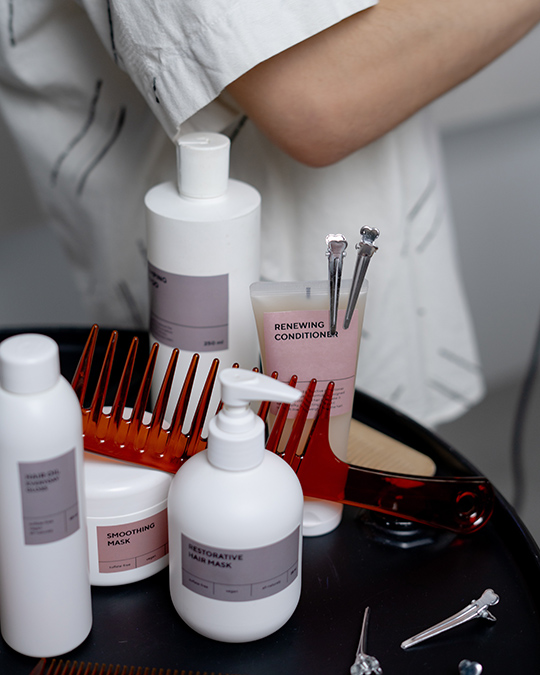
2.) Avoid silicone-based hair products including shampoos, conditioners, creams, etc. to smoothen your hair and add shine to it. Silicone is not water-soluble and often sticks to your hair strands as residue leading to a dirty and greasy scalp. Using silicone-based products can also prevent beneficial moisture from getting into the hair shafts. All in all, though silicone may appear to make your hair healthy, in reality, it slowly deteriorates the hair's health and make it duller and greasy. The most common silicones you will find in hair products include dimethicone, Cyclomethicone, amodimethicone, etc.
3.) Though straightening irons and blow dryers give you a smooth, sleek finish, it makes your hair look greasy faster. It is recommended to let your hair air-dry and embrace its natural texture. In addition to this, do not brush or touch your hair more than required. While brushing frequently can stimulate your glands to make more sebum, handling your hair can add oil from your hands to the hair.
4.) It is also recommended to reduce fat and sugar in your diet. Have a balanced and nutritious diet. One must avoid fried and oily foods, meat and carbonated beverages and instead opt for more vegetables and fruits.

When to see a doctor
If you haven’t had any luck with over-the-counter products or self-care routine and your greasy scalp is getting in the way of managing and enjoying your hair, it is time to go see a dermatologist. A dermatologist can help you find the root cause of your greasy scalp and prescribe an effective medication or prescription.
The bottom line
Greasy hair can feel like a problem and steal your charm. But the good news is that there are many remedies which can help you get it under control. While the amount of oil produced changes over time and generally goes down as you get older, the focus should be on a proper hair-care routine that can help prevent and treat greasy hair.