Shilpi Madan
25-Mar-2026

Finnish health tech brand OURA officially launches in India, finally, with the OURA Ring 4 raising the bar for daily tech wearability.
It’s a category creator that knits tech functionality with clever aesthetics in the wellness space.
With globe-trotting Indians purchasing the smart ring abroad and celebrities including Aalia Bhatt and Ranveer Singh wearing the health-tracker daily, OURA begins its chapter in India, by unveiling Ring 4, together with an exclusive report: India: The State of Sleep 2026, that maps sleep trends across Indian OURA Members.
The rising global uncertainties and the consequent increase in anxiety levels places a colossal premium on sleep architecture. With luxury stays bringing in a sleep powered menu in the ergonomically compliant pillows and mattresses, the practice of yoga nidra in the comfort of your room, and soothing sips before you turn in, the precise learnings from India: The State of Sleep 2026 empower you to move ahead with OURA as your fundamental health tracker that maps accurately the number of hours of REM and sound sleep to clock your ‘readiness’ level for the day when you wake up.
Excerpts from a quick conversation with Doug Sweeny, Chief Marketing Officer at OURA.
How do you view the OURA Ring?
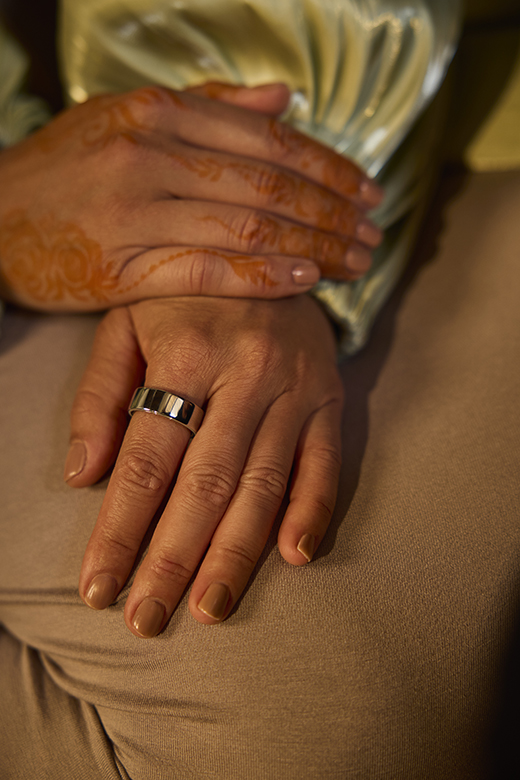
The OURA ring is a translation device for your body. It takes all these complex signals from your body, including heart function, respiratory index, stress level, sleep, activity related data, translating it into actionable insights that you can impact your health appreciably. This is what we do every single day, consistently. We are a health-forward company, first and foremost, and then a tech-powered entity. Our goal is to have you live a healthier, happier, better life.
Why did OURA choose the finger over the wrist?
If any of us have ever been to a hospital or a doctor's office, the first thing they do is check vitals from your finger, never from the wrist. The finger is the most precise place on the body for mapping biological signals. The wrist is a rather ‘noisy’ part of your body due to the cartilage and bones present.
What are the USPs of the product?
The best wearable is the one that you wear. It isn’t the one that you leave on your bedside table to charge. The OURA ring brings a week of battery life on the device, it is comfortable and light to wear (throughout the night) as it weighs as much as a piece of paper despite being made of titanium. Privacy is non-negotiable for OURA.
What is the primary pivot of the Sleep Report that OURA brings in?
We created this report to understand the value OURA can bring in improving the lives of millions of Indians. The data is clear: sleep is the foundation of health, but Indians’ ultra?connected, fast?paced lives are at odds with getting great sleep. OURA Ring can help people across India better understand their unique health and make small, sustainable changes that add up over time.
A MOMENT IN TIME
Key learnings from India: The State of Sleep 2026:
India is among the shortest-sleeping populations in the OURA global dataset, with OURA Members in India averaging 6 hours and 28 minutes of sleep per night - around 40 minutes less than the longest-sleeping countries.
With guidelines recommending 7 to 9 hours of sleep per night for healthy adults, many Indians are building up sleep debt, a pattern shaped by the country’s multi-country work schedules, expanding night-time social lives, and always-on, connected lifestyles.
The impact shows up in sleep quality: the report finds that Indians get the lowest amount of REM and deep sleep in the world, losing over an hour of REM sleep a week compared to the global average. REM sleep has been shown to support emotional regulation, memory and problem-solving, meaning many Indians may be waking up each day not feeling their best.
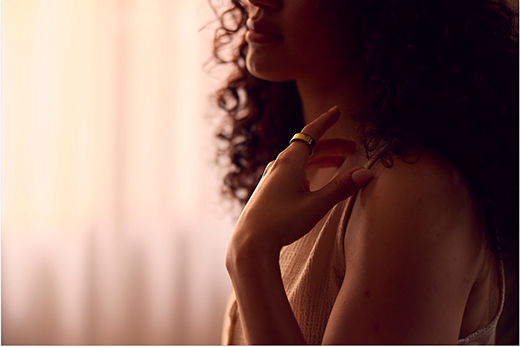
Indians take the world’s longest power naps, up to 53 minutes, on Mondays.
Night owls: 59% of Indian Oura Members fall into evening-oriented chronotypes - the highest percentage anywhere in the world. This means many Indian members are biologically driven to feel more alert and productive later in the day.
Late to bed, early to rise: Indians head to bed around 12:14 AM, among the latest globally. Yet wake times are consistent with the rest of the world at around 7:43 AM, showing why India’s sleep duration is squeezed.
Consistent sleepers: Sleep timing doesn’t change from weekdays to weekends, a pattern that can support more stable sleep quality over time.
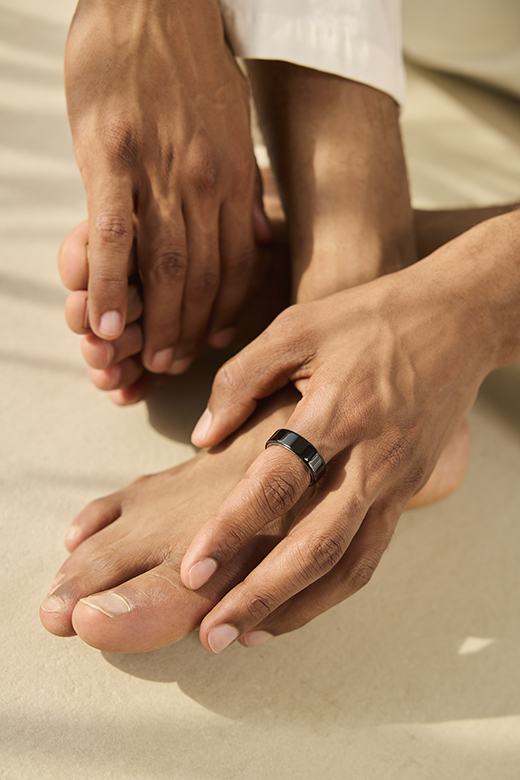
(The OURA Ring 4 is available at Crom? stores, and online at Amazon, in Silver and Black, Stealth, Brushed Silver, Gold, and Rose Gold)

Dr. Prafull Sabadra