Reena Sheth
14-Jan-2026

As guests demand meaning over excess, sustainable ritual architecture is emerging as the strategic foundation of modern spa luxury.
The global spa industry is redefining luxury. What was once measured through abundance, scale, and spectacle is now evaluated through intelligence, intention, and impact.
Guests no longer equate luxury with excess. They value relevance, efficacy, and meaning. At the same time, spa operators face growing pressure from resource constraints, workforce sustainability, and long-term profitability. In this context, sustainable ritual and experience architecture is not an ethical layer added to spa design. It is a strategic evolution.
This shift is not about doing less. It is about designing with greater precision.
From Complexity to Clarity
For decades, spa rituals relied on complexity to signal value. Multi-step treatments, elaborate setups, extensive product layering, and water-heavy choreography created visual richness but often diluted therapeutic focus.
Sustainable ritual architecture challenges this approach. It begins with a disciplined question: does each element serve a clear experiential or therapeutic purpose?
When rituals are edited with intent, the experience becomes more immersive rather than overwhelming. Guests feel guided rather than overstimulated. Therapists deliver with confidence rather than fatigue. Operationally, efficiency improves without eroding the sense of luxury.
Ingredient Mindfulness as Experience Intelligence
Ingredient mindfulness is often framed as a sustainability trend. In practice, it is a core design principle. High-performing spa rituals are built around high-efficacy ingredients used with restraint and purpose. Instead of layering multiple formulations for perceived richness, sustainable experience design prioritises synergy, compatibility with the body, and visible outcomes.
This approach reduces waste, simplifies treatment protocols, and improves consistency across teams. It also strengthens guest trust. When fewer, well-chosen ingredients deliver deeper results, the experience feels curated rather than commercial.
Sophistication lies not in how much is used, but in how intelligently it is chosen.
Seasonal Adaptability and Contextual Relevance
Seasonality remains one of the most underutilised tools in spa experience design.
Many spas operate static menus year-round, regardless of climate, humidity, or guest physiology. Sustainable ritual architecture embraces seasonal adaptability, allowing treatments to evolve in response to environmental and human rhythms.
Seasonally intelligent rituals improve relevance, reduce reliance on imported ingredients, and keep menus dynamic without constant expansion. Adjustments in texture, temperature, technique, and sensory focus create experiences that feel aligned with time and place.
A ritual that reflects its season feels intuitive, grounded, and considered.
Water as a Designed Element
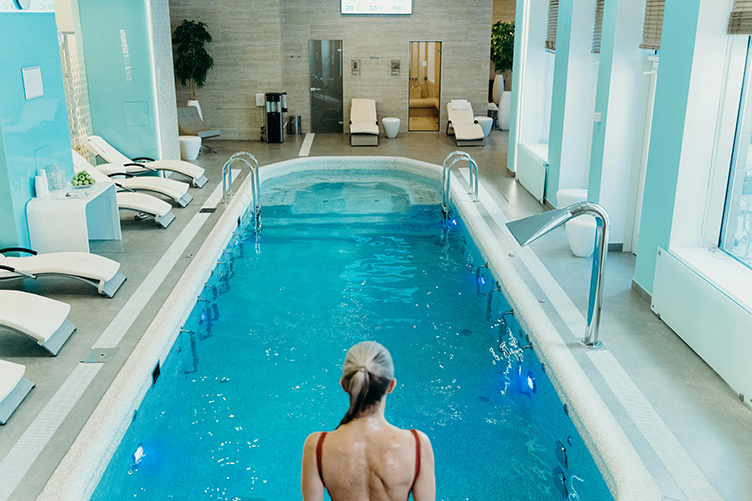
Water is fundamental to spa environments and one of the most pressured resources globally. Sustainable ritual design addresses water use through experience choreography, not limitation.
Rather than defaulting to high-volume use or frequent water changes, sustainable experience architecture redesigns hydro rituals around flow, sequencing, and contrast. Dry or semi-dry preparatory phases are introduced where appropriate, allowing water to function as an intentional accent rather than an assumed backdrop.
When water is used deliberately, rituals feel refined. Guests perceive mastery, not restriction.
Luxury is not defined by volume but by control.
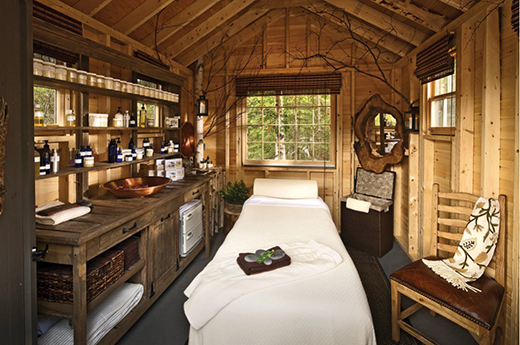
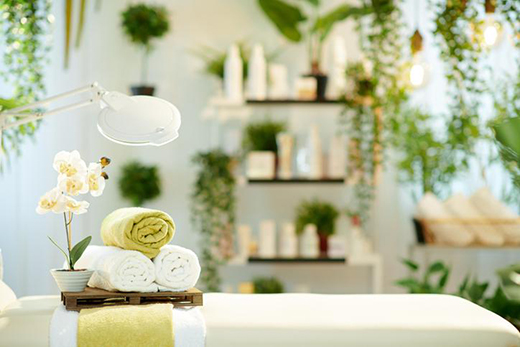
(Treatment Room at the Tree Spa, Kennebunk Spa)
High-Efficacy, Low-Impact Rituals
The future of spa luxury lies in high-efficacy, low-impact rituals. These experiences deliver strong physical and emotional outcomes while minimising environmental and operational strain.
Such rituals shift emphasis from material excess to human skill. Touch, rhythm, breath, pacing, and emotional presence become primary experience drivers. Personalisation replaces standardisation.
Guests increasingly value experiences that feel authentic and human. Therapists benefit from reduced physical strain and greater professional satisfaction. From an operational perspective, these rituals support consistency, cost control, and long-term sustainability.
Sustainability and profitability move in the same direction.
Designing for Therapist Longevity
Experience architecture must also support the people delivering the ritual. Overly complex or physically demanding treatments contribute to burnout, inconsistency, and high turnover.
Sustainable ritual design considers ergonomics, flow, and emotional labour. When therapists are supported, service quality improves naturally. Sustainability extends beyond materials and resources to include human capital, which remains the most valuable asset in any spa environment.
A truly sustainable ritual is one that can be delivered well, consistently, and over time.

(Reena Sheth)
A New Language of Spa Luxury
Sustainable ritual and experience architecture represents a new language of luxury for the global spa industry.
It is a language where restraint signals confidence, intention signals sophistication, and impact signals leadership. The spas shaping the future will not be those with the longest menus or the most elaborate rituals, but those that demonstrate clarity of thought, depth of experience, and respect for resources.
In an era of excess, the most powerful luxury is considered simplicity.
The future of global spa excellence lies not in doing more, but in designing smarter.
About the Author: Reena Sheth
Reena Sheth is a Beauty & Wellness strategist, luxury hospitality expert, and thought leader specialising in integrative wellness design, sustainability, and longevity-driven wellness solutions. She is the exclusive India representative for Sustainable Wellness Group, UK.